North Dakota Rig Count Holds at 21 for Another Day
Bakken drilling activity remains stable as the national count edges higher, but local trend shows a slight multi-week decline.
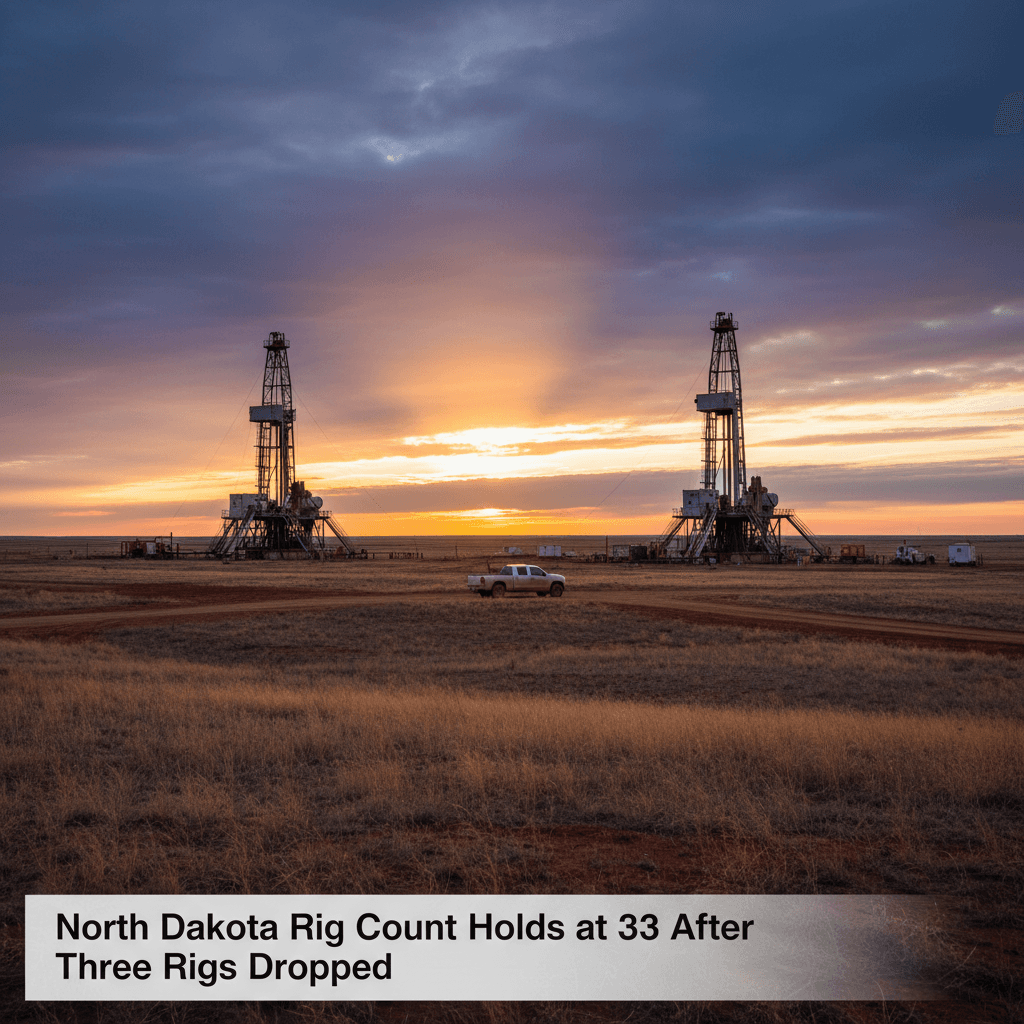
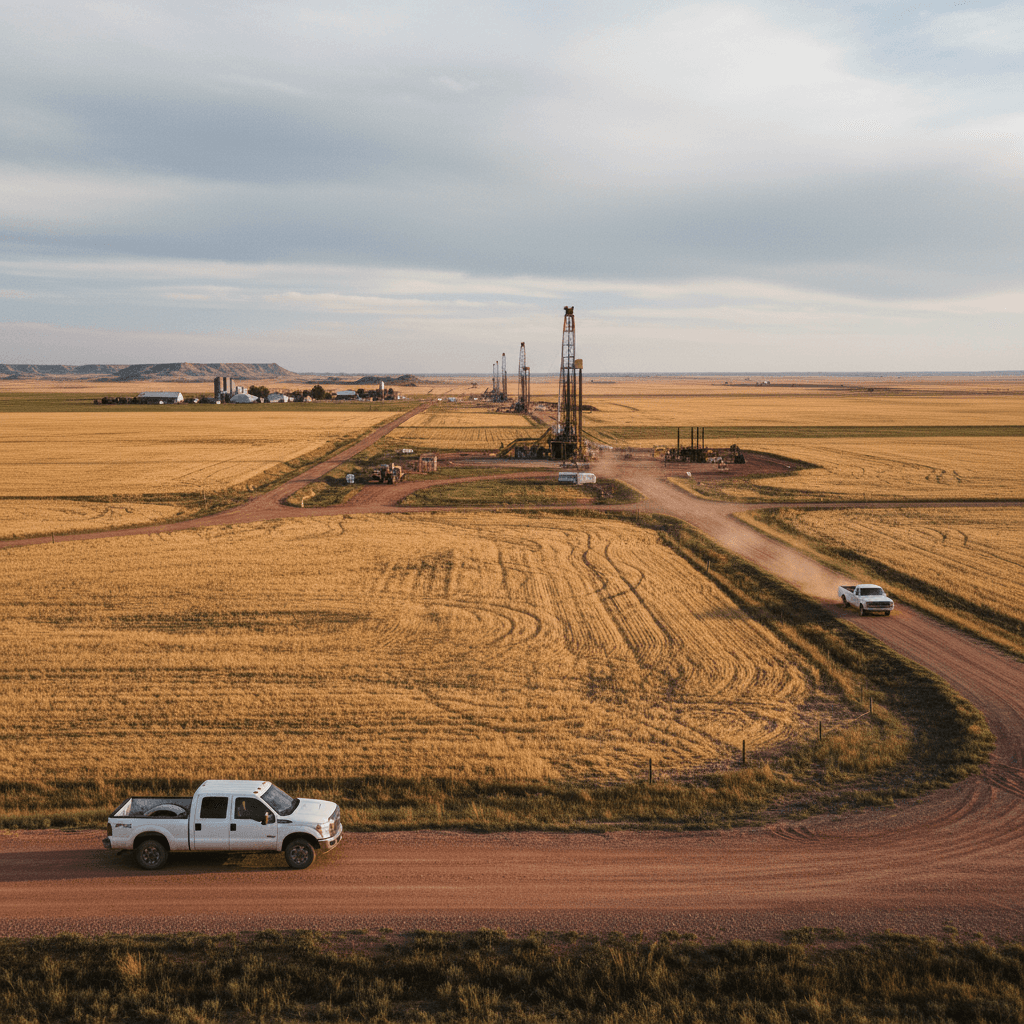
The number of active drilling rigs in North Dakota's Bakken formation remained unchanged at 21 on Tuesday, May 12, according to live data from Bakken Wire. There were no new rigs added, none removed, and no rigs that moved locations since the prior day's report.
The current level represents a slight decline in activity compared to recent weeks. One week ago, on May 5, the state reported 23 active rigs, indicating a net drop of two rigs over the past seven days. Looking back one month to April 12, when the count stood at 24 rigs, the Bakken has seen a net reduction of three active drilling units.
This steady local activity comes as the broader North American market saw a slight increase in rigs. According to a report from Rigzone published May 11, North America added two rigs week-on-week, based on the latest Baker Hughes rotary rig count. The contrast highlights that while the continental trend is mildly positive, drilling activity in the core Bakken region has been on a modest downward trajectory over the past month.
A rig count of 21 is indicative of a focused, maintenance-level drilling program by operators in the Williston Basin. At this pace, activity is sufficient to offset natural production declines from existing wells but does not signal a major expansion in capital spending or development. The stability day-to-day suggests operators are holding to disciplined drilling plans amid current commodity price environments.
The Bakken formation remains North Dakota's primary oil-producing region, and rig activity is a closely watched leading indicator for future production. The current count is a key data point for service companies, royalty owners, and analysts gauging the near-term health of the state's oil sector.
With no day-over-day movement, the focus shifts to whether operators will maintain the current pace or adjust in response to shifting oil prices and operational efficiencies. The historical data shows a gradual easing from the 24-rig range seen in mid-April.
Source
Bakken Wire live rig data, Rigzone