North Dakota Rig Count Holds at 23 for Second Consecutive Month
State drilling activity shows remarkable stability, matching April 1 level with no daily changes reported.
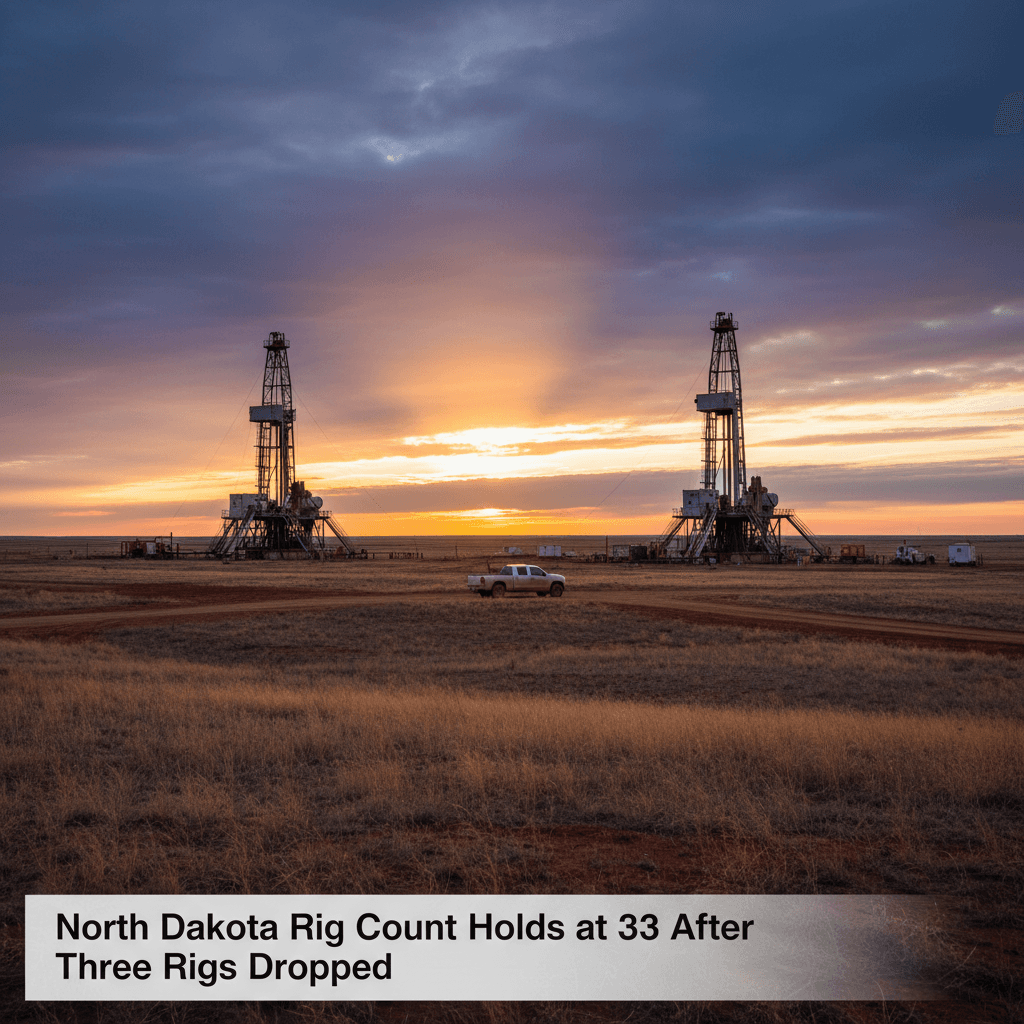
North Dakota's active drilling rig count remained at 23 on Sunday, April 26, 2026, showing no daily movement for the second time this month, according to live rig data from Bakken Wire. The state reported zero new rigs added, zero rigs removed, and zero rigs that moved location since the prior day.
The current figure represents a gain of one rig compared to one week ago, when the count stood at 22 on April 19. However, the broader trend indicates a plateau, as the count is unchanged from the 23 rigs active 25 days ago on April 1.
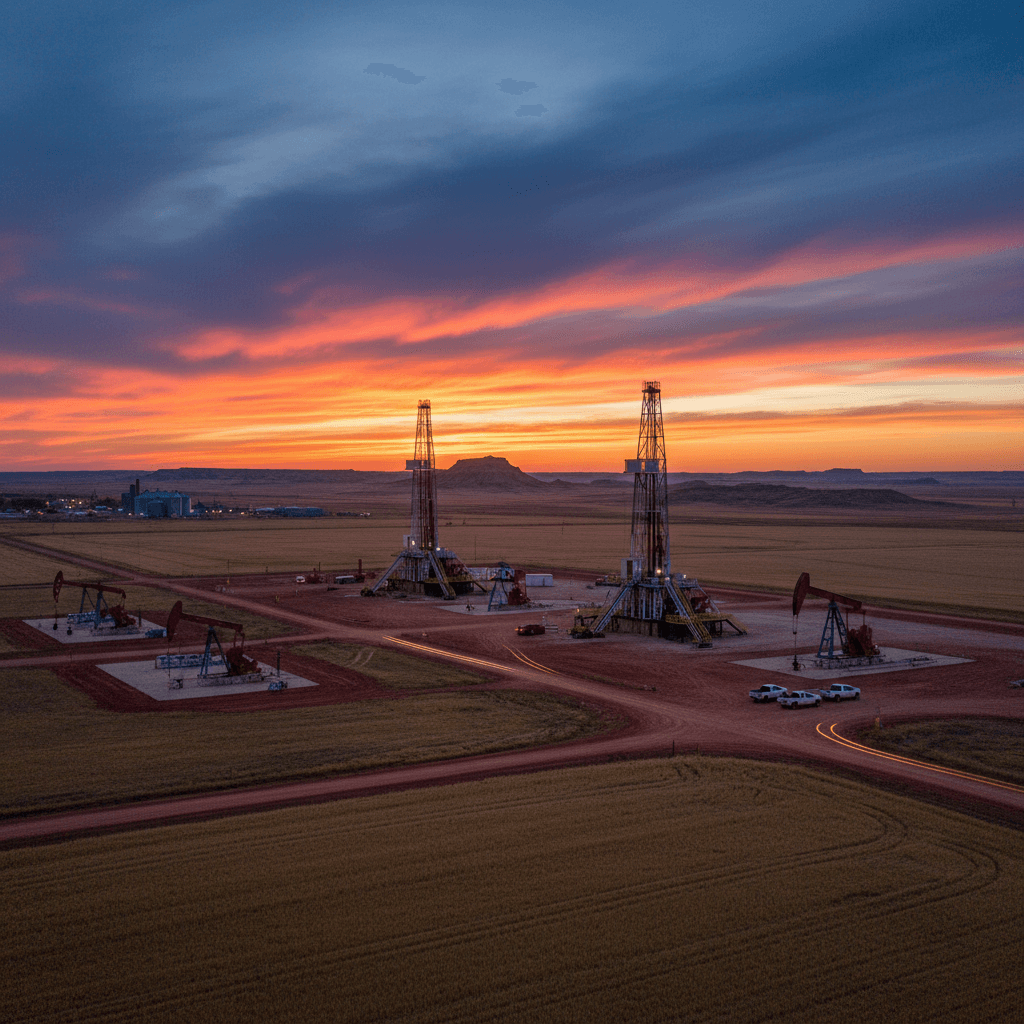
This extended period of stability in the Bakken formation's drilling activity suggests operators are maintaining a disciplined capital expenditure approach amidst current commodity price environments. The rig count is a key leading indicator for future oil production in the Williston Basin.
Historically, North Dakota's rig count has experienced significant volatility, often fluctuating with crude oil prices. The current steadiness at 23 units may reflect a focus by producers on completing drilled but uncompleted wells (DUCs) and maximizing efficiency from existing rigs, rather than expanding drilling programs.
For royalty owners and service companies, a stable rig count provides predictable near-term activity levels, though it does not signal an expansion in the region's drilling footprint. The count remains substantially lower than peak levels seen in the previous decade, when over 200 rigs were routinely active in the state.
The lack of daily movement—with no rigs added, removed, or relocated—highlights a period of operational consistency. Analysts often watch for sustained changes in the rig count over weeks or months to gauge shifts in producer sentiment and long-term investment in the Bakken.
With no immediate change from the April 1 benchmark, the industry appears to be in a holding pattern. The next significant move in either direction will likely be tied to shifts in West Texas Intermediate (WTI) crude prices or changes in major operators' quarterly guidance.
Source
Bakken Wire live rig data and historical context