North Dakota Rig Count Holds at 24, Down 4 From June
The state's active drilling fleet remains unchanged day-over-day but continues a multi-week decline from late June levels.
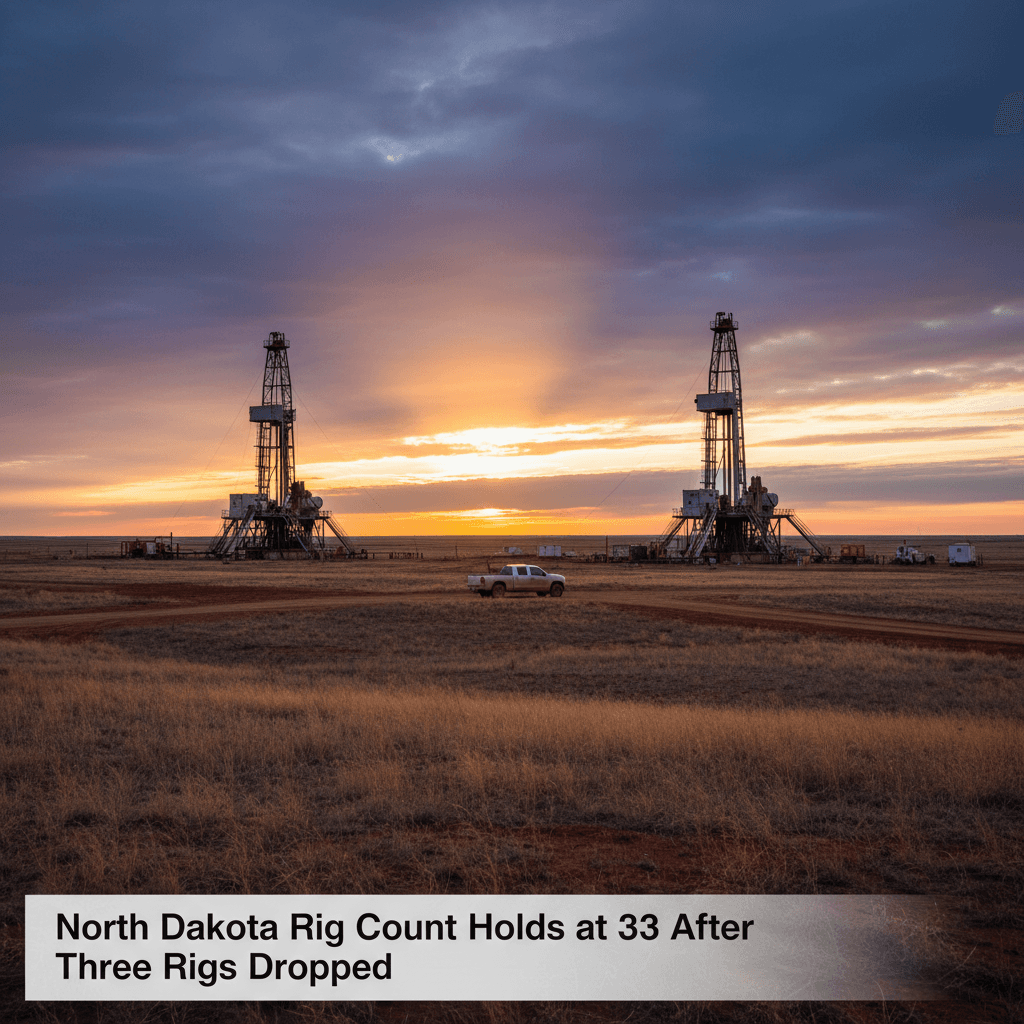
North Dakota's active drilling rig count held steady at 24 on Thursday, July 23, 2026, according to live data from Bakken Wire. The tally showed no new rigs added, none removed, and none moved location compared to the previous day.
The current count represents a decline from recent historical levels. One week ago, on July 16, the state reported 26 active rigs, meaning the fleet has decreased by two rigs over the past seven days. The downward trend is more pronounced over a longer period, with the count down by four rigs from the 28 rigs active one month ago on June 23.
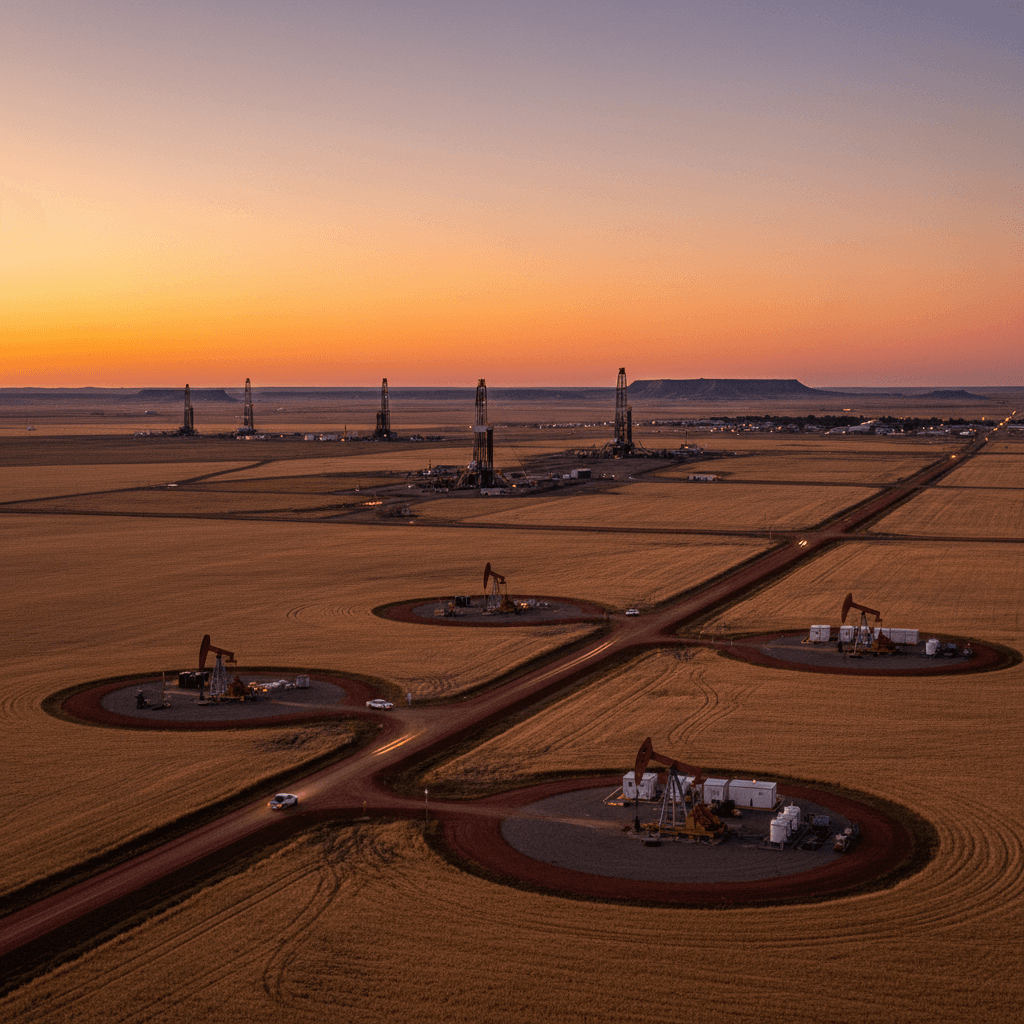
A rig count in the mid-20s continues to reflect a period of disciplined capital spending by operators across the Williston Basin. The Bakken formation remains North Dakota's primary oil-producing region, and rig activity is a key leading indicator of future production. The current stability follows a period of gradual decline, suggesting operators are maintaining a focused drilling pace rather than embarking on significant expansion.
The steady count indicates that existing drilling programs are proceeding without major interruptions or new project launches. In a typical cycle, sustained rig count levels can support maintenance of crude oil production volumes, though output can also be influenced by well productivity and completion activity.
Analysts often monitor the rig count alongside commodity prices and operator guidance to gauge industry health. The recent pullback from 28 to 24 active units over the past month may signal a response to market conditions or a strategic adjustment to annual drilling budgets.
For royalty owners and service companies in the region, a consistent rig count provides a degree of predictability for local economic activity tied to drilling operations. The focus for many operators remains on drilling high-quality locations and generating free cash flow.
The next movement in the rig count will be watched for signs of whether the current level represents a new floor for activity or if further adjustments are forthcoming from Bakken producers.
Source
Bakken Wire Live Rig Data and Historical Context