North Dakota Rig Count Holds at 26 for Second Consecutive Week
The state's active drilling fleet remains unchanged from last week but is up one rig from levels seen a month ago.
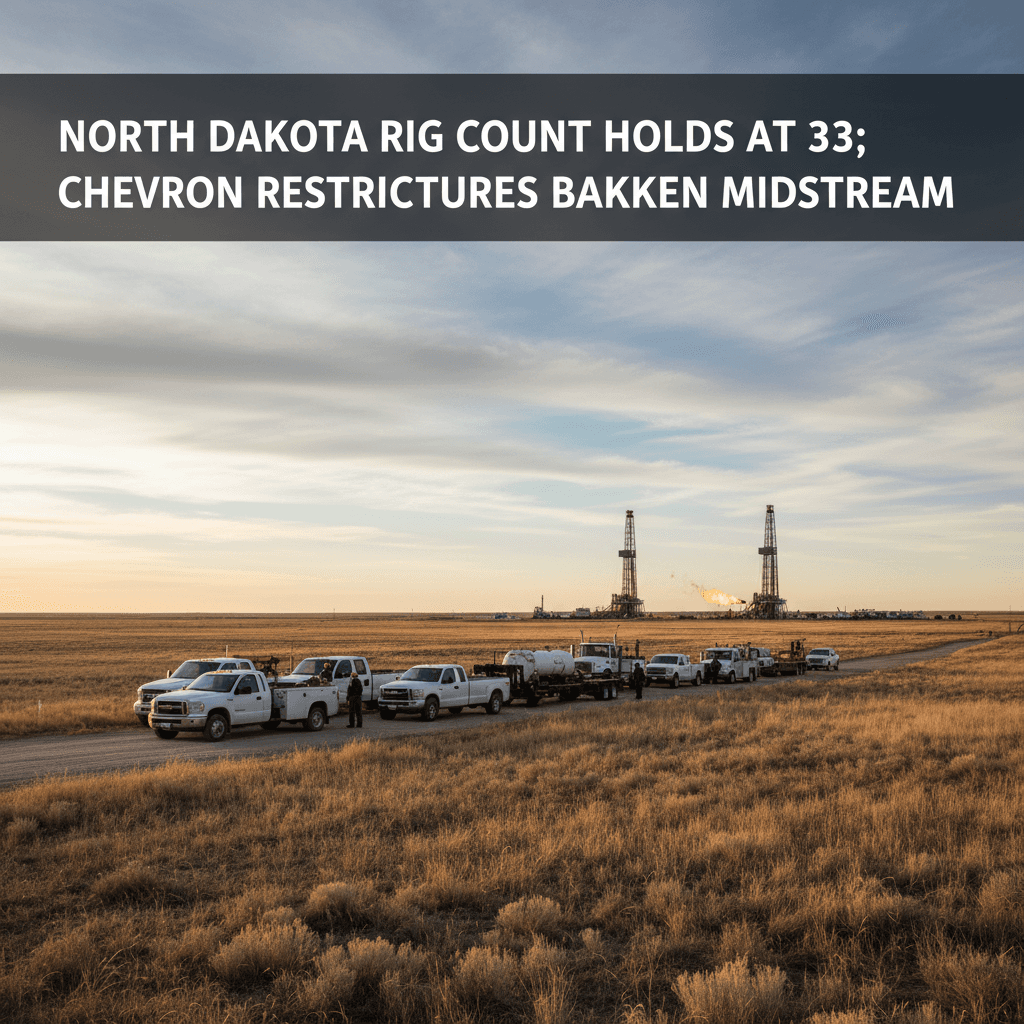
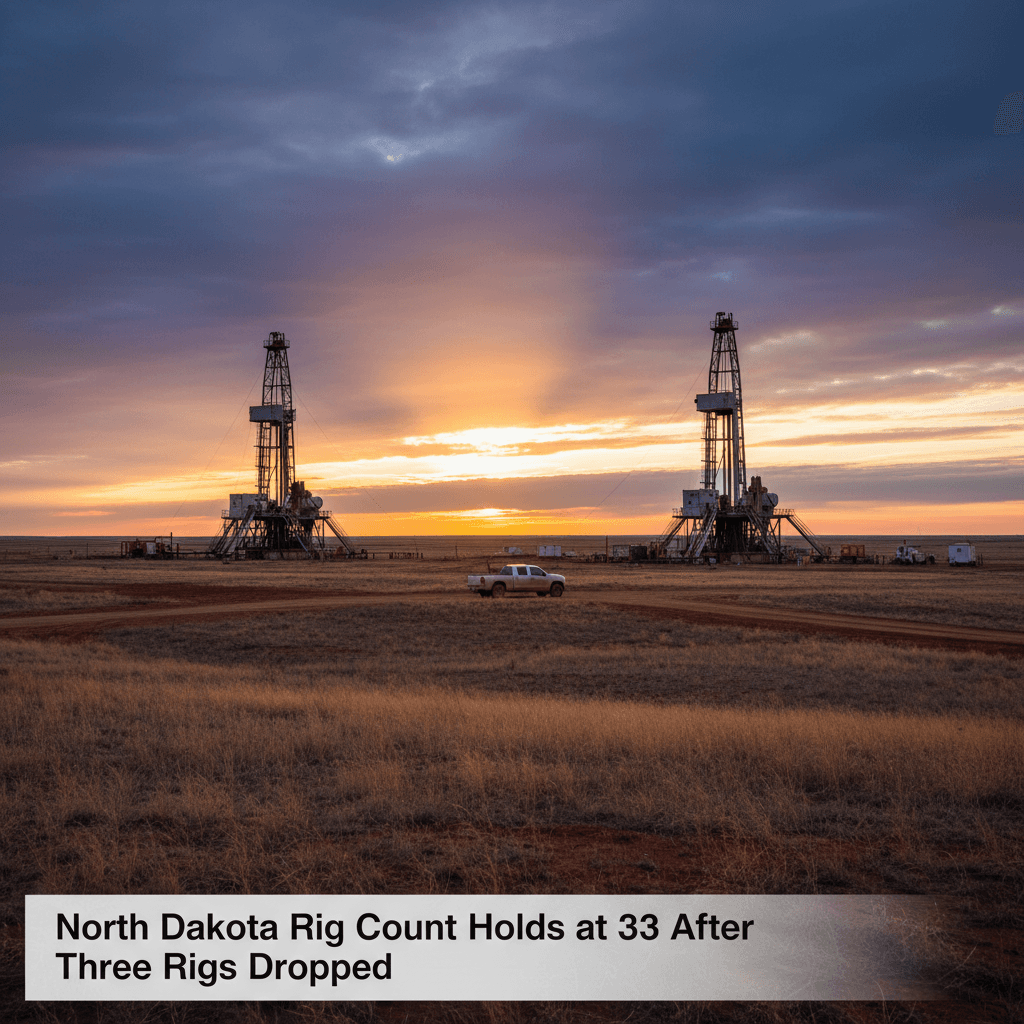
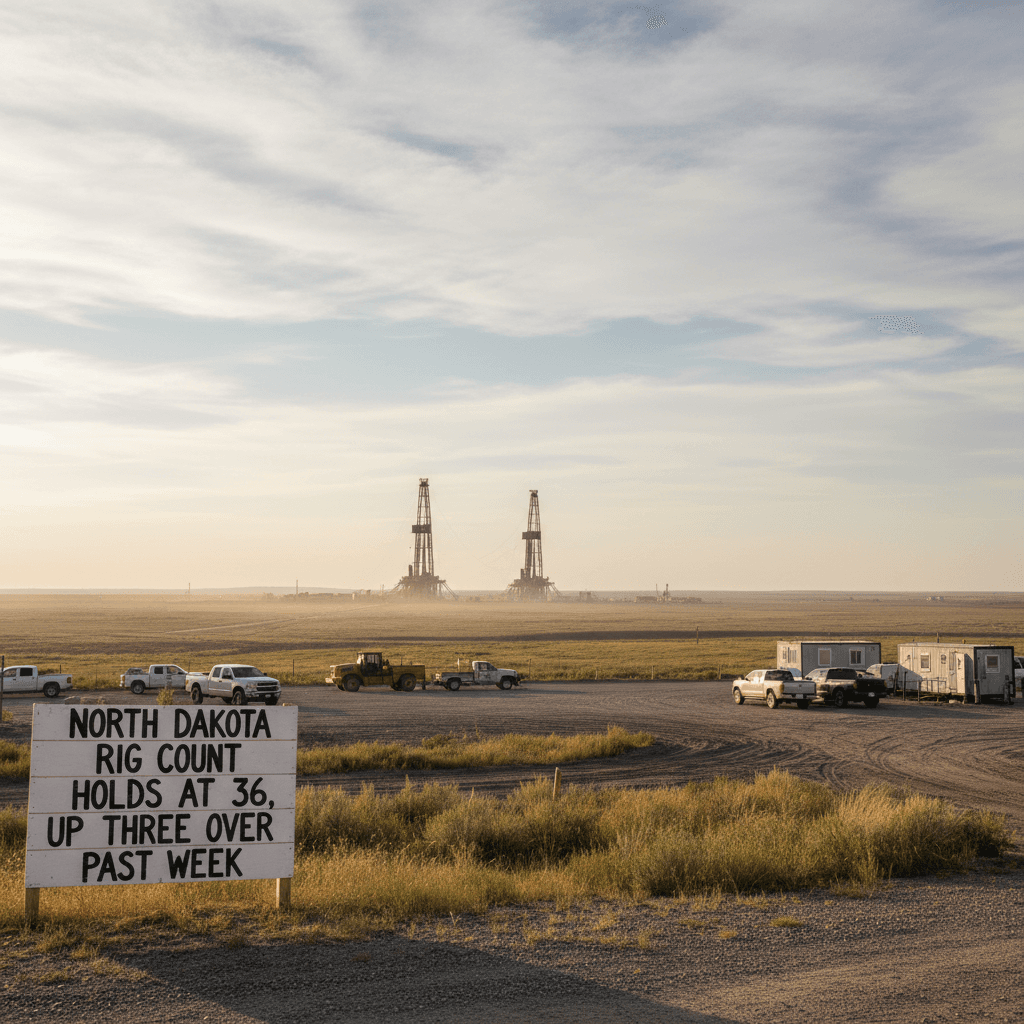
North Dakota's active drilling rig count held steady at 26 for the Saturday, June 20, 2026, morning report, according to live rig data from Bakken Wire. There was no day-over-day change, with zero new rigs added, zero rigs removed, and no rigs moving location.
The current count marks a full week of stability, matching the 26 active rigs reported on June 13. Compared to one month ago, however, the state's drilling activity shows a slight increase. On May 21, 2026, the active rig count stood at 25, meaning the current level is up by one rig over the four-week period.
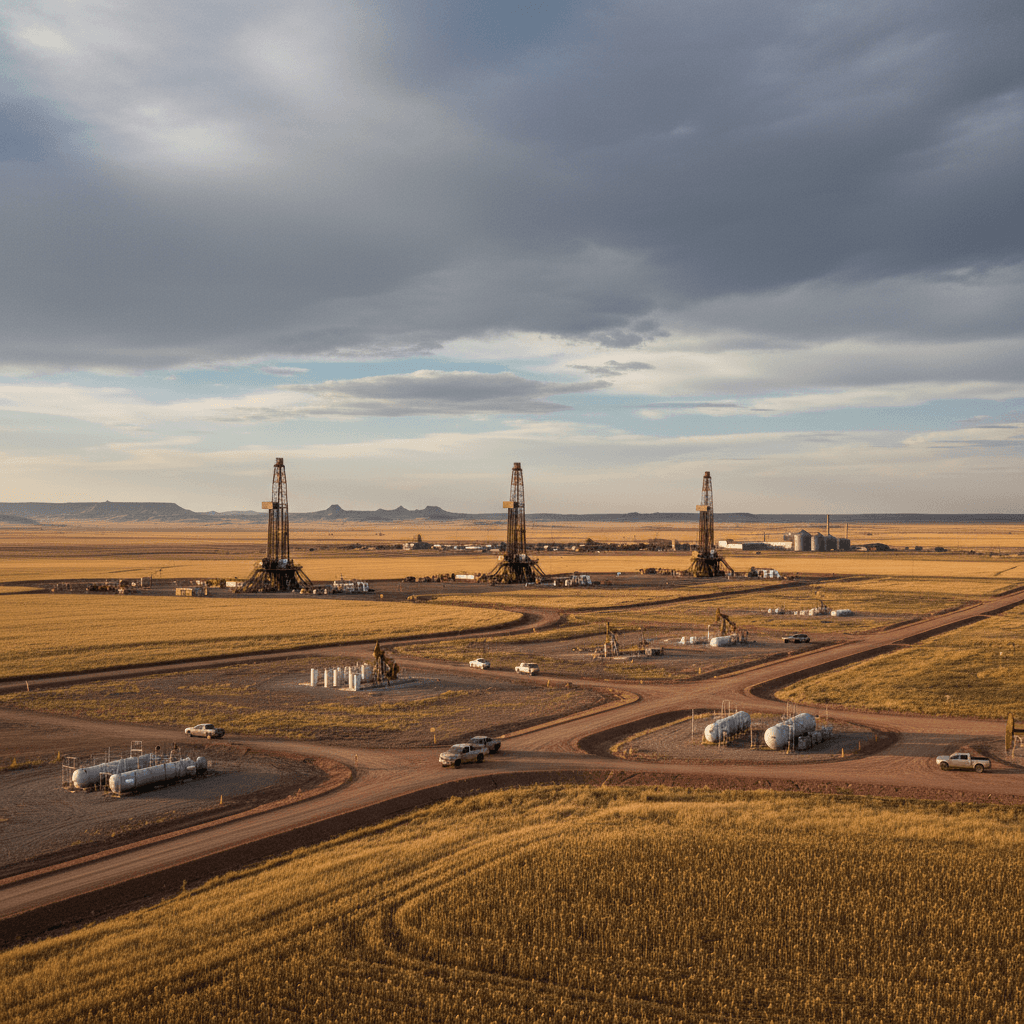
A rig count in the mid-20s reflects a sustained, moderate level of drilling activity in the Bakken formation. This steady pace suggests operators are maintaining capital discipline while continuing development programs in core areas of the Williston Basin. The rig count is a leading indicator of future oil production, and stability at this level typically points to consistent near-term output from the state's primary oil-producing region.
The lack of day-to-day movement in the rig fleet indicates no immediate shifts in operator drilling schedules. Major Bakken producers often plan multi-well pads and longer lateral wells, which can keep rigs active on a single location for extended periods and contribute to count stability. The count encompasses all active rotary rigs drilling for oil or gas in the state.
For royalty owners and service companies, a stable rig count provides predictability for local economies in the oil patch. Tax revenues and employment in the sector are closely tied to this level of activity. The current count, while significantly lower than the boom-era peaks, represents a mature, efficient phase of development in the basin.
The one-rig increase compared to last month, while modest, may indicate a slight uptick in planned activity or the conclusion of seasonal maintenance delays. The Bakken formation remains a cornerstone of U.S. onshore production, and operators continue to focus on maximizing recoveries from existing infrastructure and high-quality acreage.
Bakken Wire will continue to monitor daily rig movements and provide updates on any changes to the state's drilling footprint.
Source
Bakken Wire Live Rig Data, Bakken Wire Historical Context