North Dakota Rig Count Holds at 30, Up 7 from Month Ago
State's drilling activity remains stable as U.S. rig count sees a fifth consecutive weekly increase.
The number of active drilling rigs in North Dakota held steady at 30 on Saturday, May 30, 2026, according to Bakken Wire live data. The count showed no change from the previous day, with no new rigs added, removed, or relocated.
The current level represents a significant increase from recent historical activity. The rig count is up five from one week ago, when 25 rigs were active on May 23, and is up seven from one month ago, when the state reported 23 active rigs on April 30.
This stability in the Bakken aligns with a broader national trend of rising drilling activity. According to a Baker Hughes survey reported by Bing News on May 29, the total number of oil and gas rigs actively drilling in the United States increased by four to 562. This marked a fifth consecutive weekly rise and the highest total in a year.
The sustained increase in the U.S. rig count suggests continued investment by operators in domestic production. While the North Dakota count did not increase day-over-day, its position 20% above the level seen just one month ago indicates a positive trajectory for drilling in the Williston Basin.
Internationally, political and regulatory developments continue to shape the drilling landscape. In Europe, Norway is campaigning for the withdrawal of an EU moratorium on new oil and gas drilling in the Arctic, a region containing nearly two-thirds of Norway's petroleum resources, Rigzone reported on May 29.
Also on May 29, Rigzone reported that Reform UK Deputy Leader Richard Tice told energy industry representatives that his party would prioritize cutting energy bills and supporting North Sea drilling over investing in green energy if it wins the next UK general election.
For Bakken operators and royalty owners, the steady rig count at a heightened level compared to recent months provides a signal of sustained operational activity. The lack of daily movement suggests a period of consolidation following recent gains. The broader national increase in rigs may reflect responses to commodity price signals and long-term development planning by major producers.
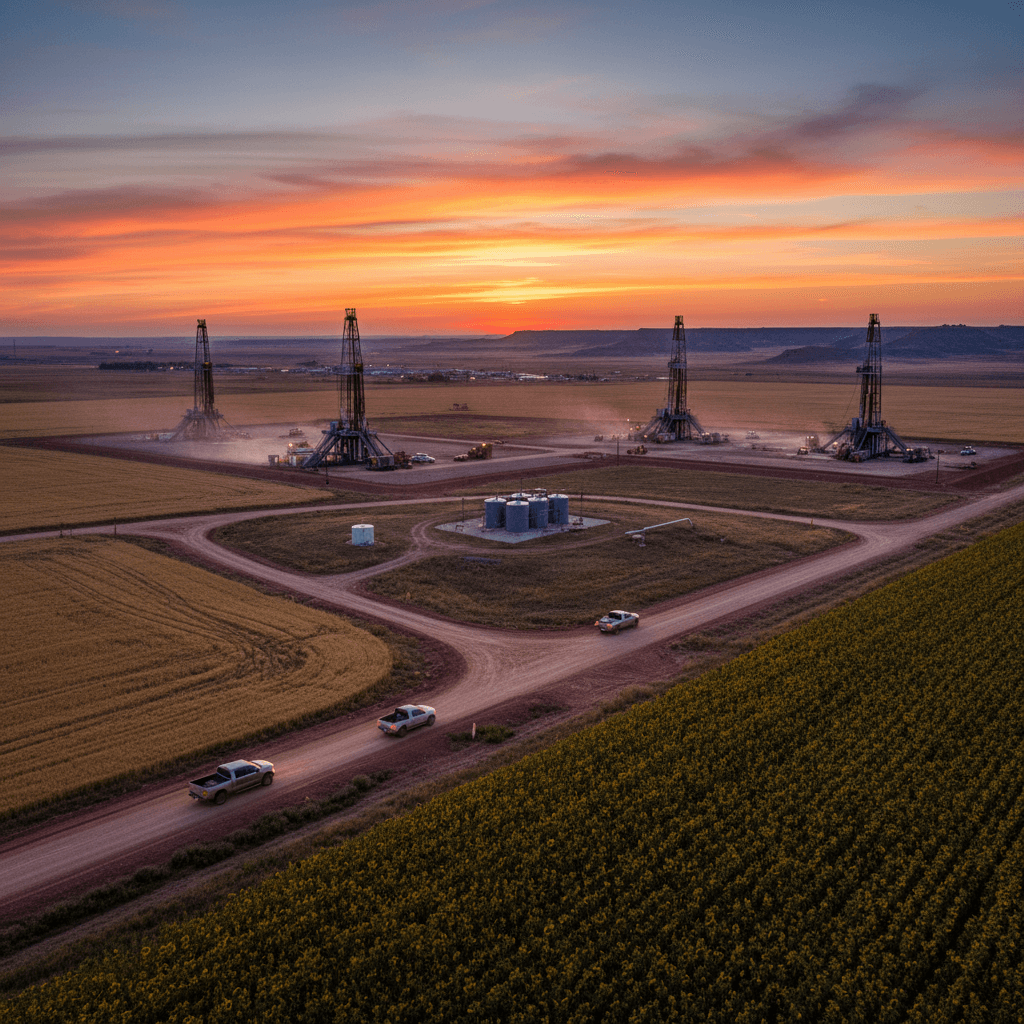
The Bakken formation remains North Dakota's primary oil-producing region, and rig activity is a key leading indicator for future production. The current count of 30 rigs is closely watched by service companies, local economies, and state revenue forecasters.
Source
Bakken Wire live rig data, Bing News, Rigzone