North Dakota Rig Count Holds at 36, Up 8 from August
The state's active drilling fleet shows no daily change but remains significantly higher than levels seen one month ago.
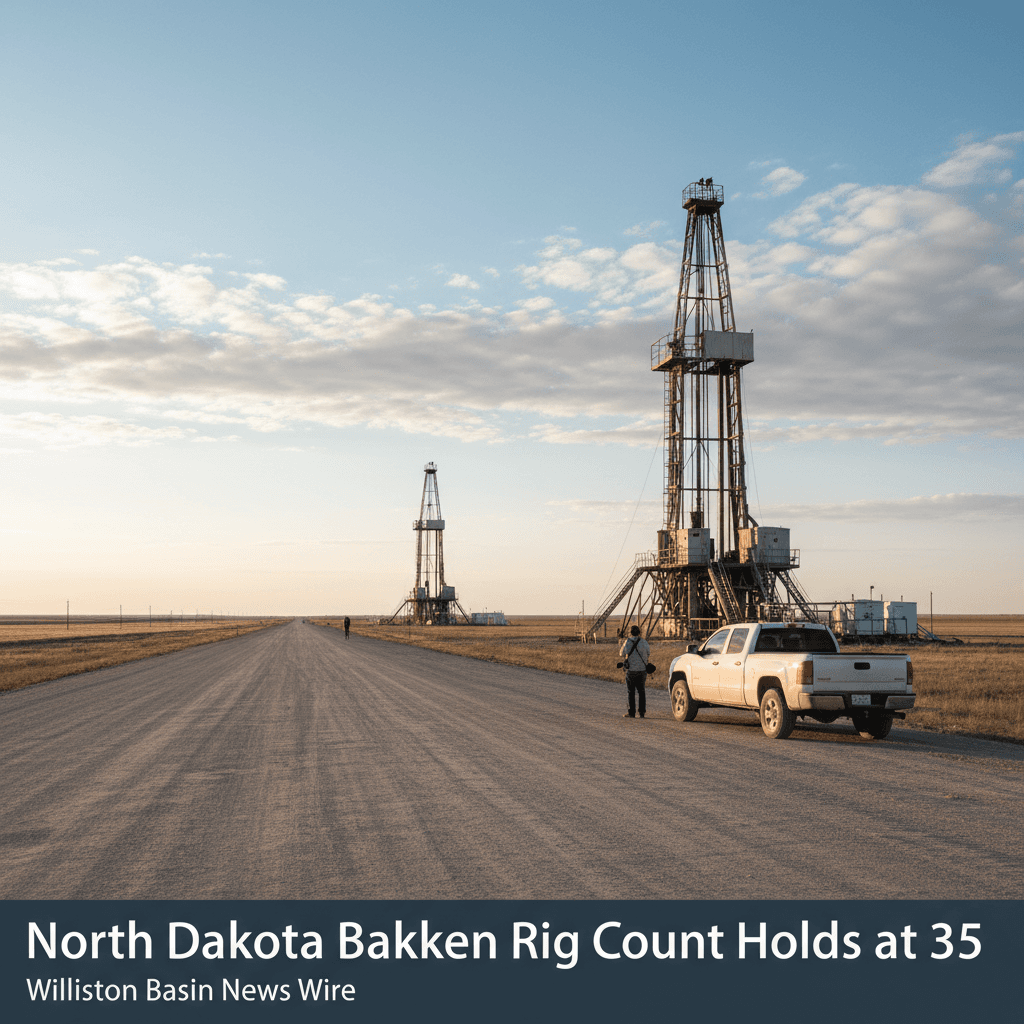
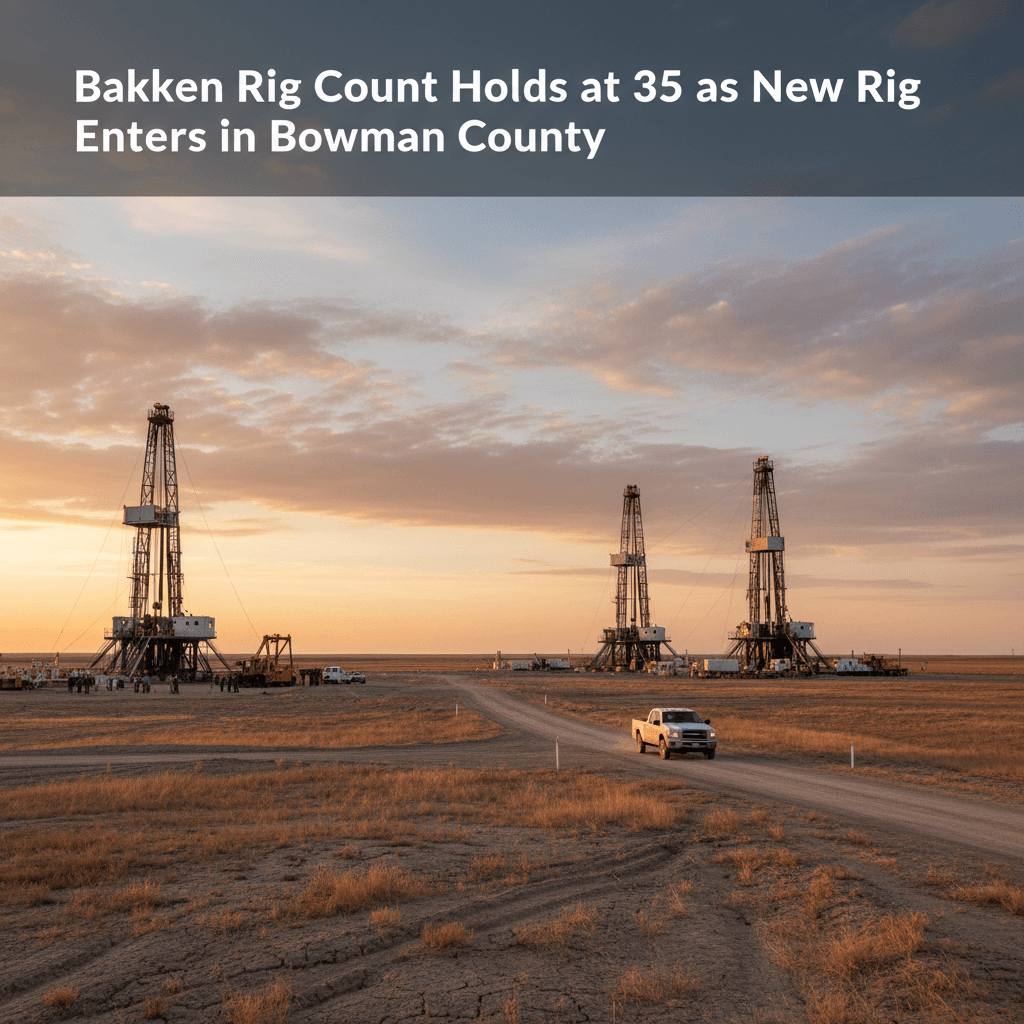
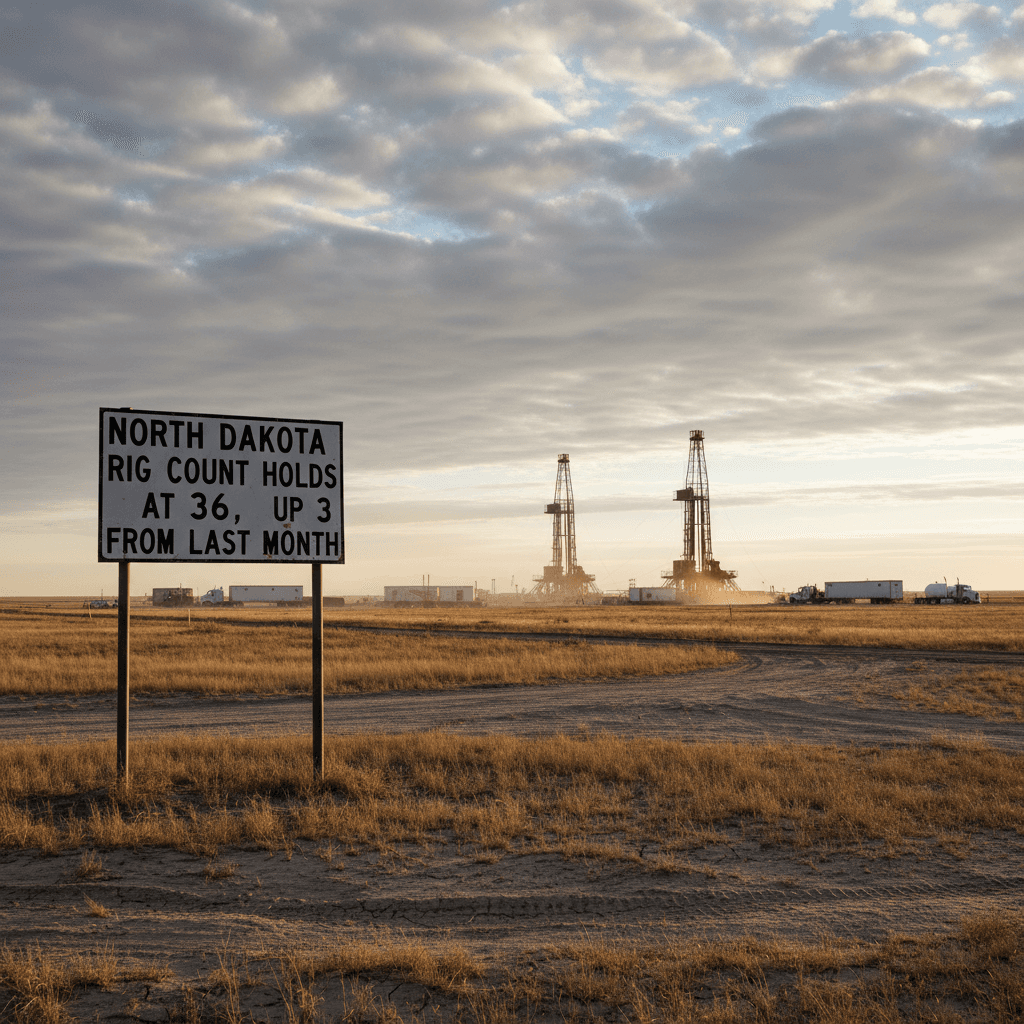
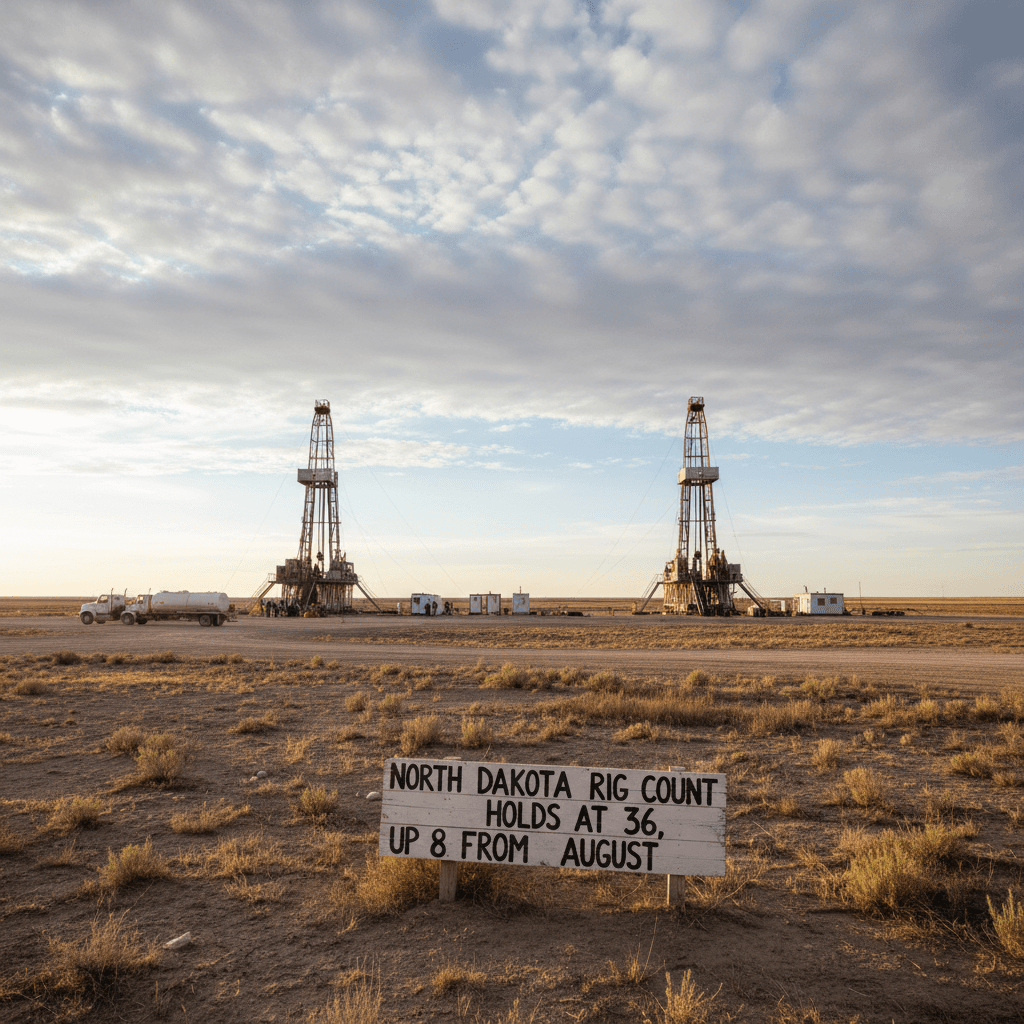
North Dakota's active drilling rig count held steady at 36 on Wednesday, September 2, according to live data from Bakken Wire. The tally showed no change from the previous day, with no new rigs added, no rigs removed, and no rigs moving location.
The current activity level represents a decrease of one rig from one week ago, when the state reported 37 active rigs on August 26. However, the count shows a notable increase of eight rigs compared to one month ago, when 28 rigs were active on August 3.
The stability in North Dakota contrasts with a broader downturn in North American drilling activity reported this week. According to Rigzone, North America as a whole dropped five rigs week on week, based on Baker Hughes' latest North America rotary rig count published September 1.
The Bakken formation remains the primary engine of oil production in North Dakota. Rig activity is a closely watched leading indicator for future production, as new wells take months to drill, complete, and bring online. The current count of 36 rigs suggests operators are maintaining a measured pace of development.
The significant month-over-month increase from 28 to 36 rigs indicates a recent surge in drilling commitments by operators in the Williston Basin. Such moves are often tied to oil price stability, operational efficiency gains, or specific development plans for core acreage positions.
The day-to-day consistency, with no rigs entering or leaving the state's fleet, points to a period of operational equilibrium among Bakken producers. Major operators typically account for the majority of running rigs in the state.
The broader North American rig loss streak highlighted by Rigzone provides context for the regional environment. While the continent sees a pullback, North Dakota's activity has plateaued at a level substantially higher than its recent low from early August.
Analysts monitor these figures to gauge capital expenditure trends and production outlooks for the coming quarters. The rig count is a key component in forecasting the state's oil output, which is critical for royalty owners, service companies, and state tax revenue.
Source
Bakken Wire live rig data, historical context data, Rigzone article "North America Enters Rig Loss Streak" published September 1, 2026.