North Dakota Rig Count Holds Steady at 28
The state's active drilling fleet remains at its highest level in over a month as crude prices face a weekly selloff.
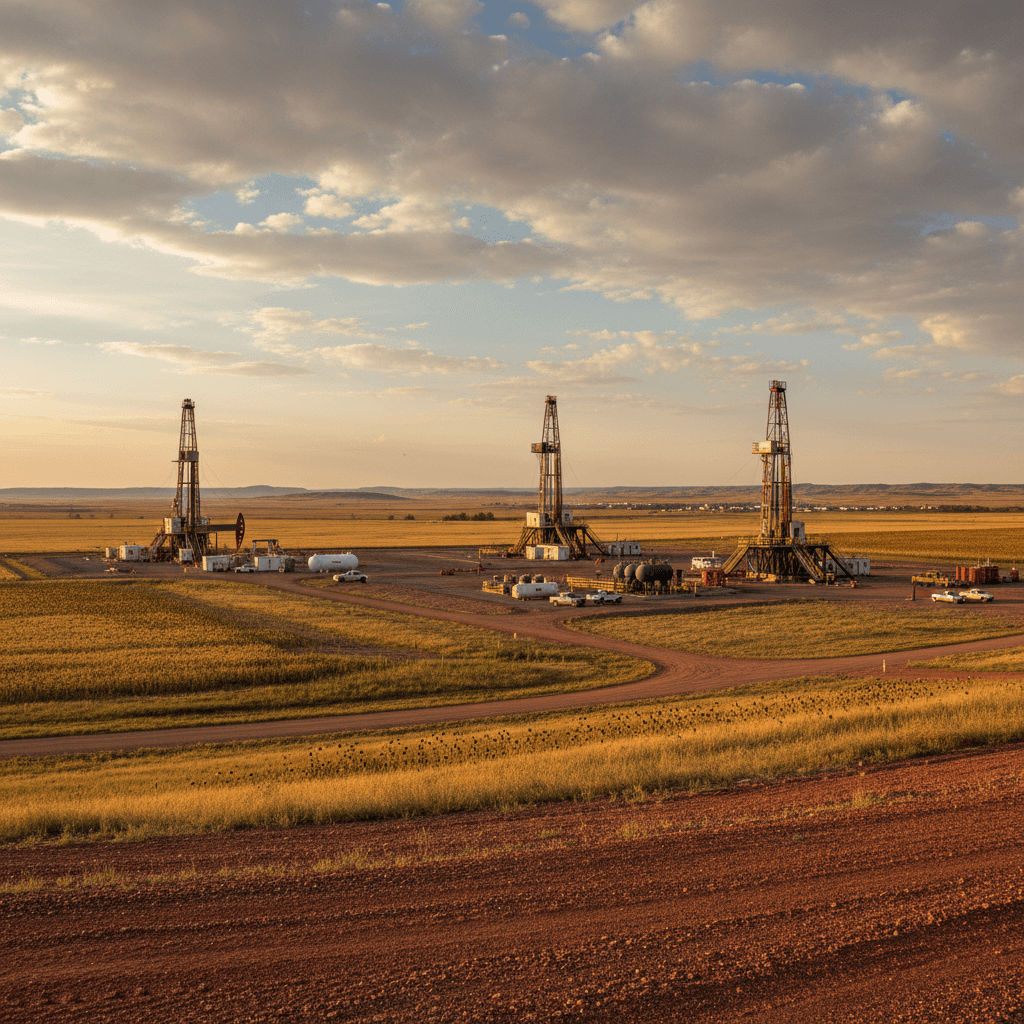
The number of active drilling rigs in North Dakota's Bakken formation was unchanged at 28 on Friday, May 29, according to Bakken Wire live data. No rigs were added, removed, or moved location from the previous day.
The current count represents a net increase of three rigs over the past week, up from 25 on May 22, and a gain of five rigs over the past month, rising from 23 on April 29. This steady, multi-week uptick in drilling activity has occurred against a backdrop of volatile global oil markets.
Global crude futures experienced a significant selloff this week, driven by shifting geopolitical sentiment. According to OilPrice.com, July WTI crude oil suffered its largest weekly decline in months, settling at $88.60 on Thursday, May 28, down $8.40 or 8.66% for the week. The report attributed the drop to traders aggressively removing risk premium on growing hopes for successful diplomacy and a potential ceasefire between Washington and Tehran.
Despite the weekly price drop, the underlying physical supply factors that have supported the market remain. OilPrice.com noted that traffic through the Strait of Hormuz remains severely disrupted, inventories continue to decline, and significant Middle Eastern production losses have yet to be restored. For Bakken operators, the price retreat from recent highs near $95 may introduce caution, but the sustained rig count increase suggests a focus on longer-term development plans.
Internationally, other oil-producing regions are navigating policy challenges that could affect long-term supply. Norway, Western Europe's top oil and gas producer, is intensifying lobbying efforts to persuade the European Union to drop its moratorium on Arctic oil and gas drilling, OilPrice.com reported. Norway argues that Europe needs reliable supply from outside conflict zones and that an estimated 3.5 billion barrels of oil equivalent could be unlocked if the EU rethinks its Arctic policy.
Meanwhile, unrelated geopolitical unrest in Bolivia, triggered by austerity measures and fuel subsidy cuts, has led to nationwide protests and road blockades paralyzing major transport corridors, according to OilPrice.com. While not directly linked to Bakken operations, such events underscore the global nature of energy market instability and supply chain risks.
The stability of North Dakota's rig count this Friday suggests operators are maintaining current activity levels despite the week's price volatility. The continued upward trend from April and May indicates a measured response to market conditions, with the Bakken's drilling pace holding at its highest level in over a month.
Source
Bakken Wire live rig data, OilPrice.com