North Dakota Secures Final $27.8M DAPL Protest Settlement from U.S.
The state's total recovery of nearly $38 million reimburses taxpayers for law enforcement and emergency costs incurred during the 2016-17 demonstrations.
North Dakota will recover a final $27.8 million from the federal government for expenses related to the Dakota Access Pipeline protests, Attorney General Drew Wrigley announced this past week. According to the settlement, this payment, combined with a previously secured $10 million, brings the state's total reimbursement to nearly $38 million.
The agreement resolves a long-running lawsuit where North Dakota sought repayment for the financial burden of the 2016-17 demonstrations against the pipeline. State officials argued that taxpayers should not have been responsible for costs associated with law enforcement, emergency response, and cleanup efforts resulting from the protests.
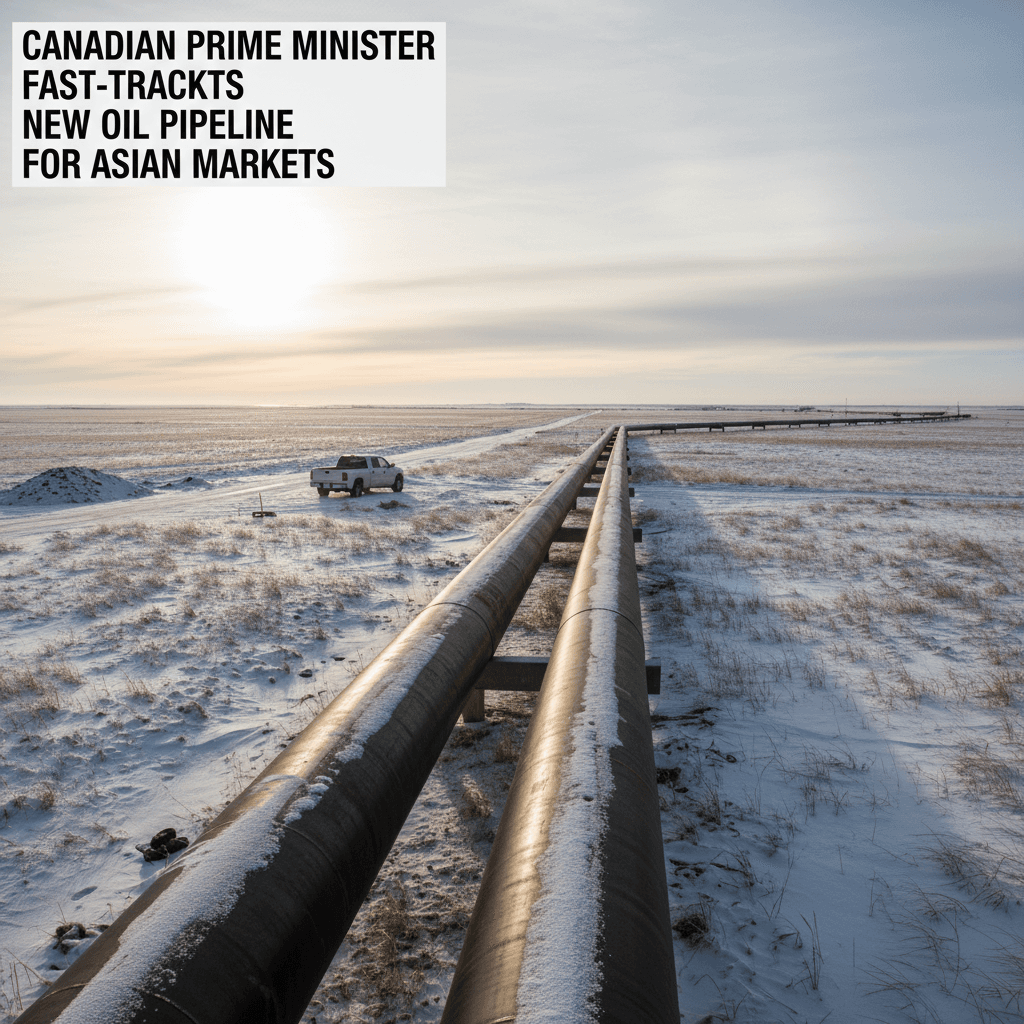
The Dakota Access Pipeline, which transports crude oil from the Bakken formation to Illinois, drew international opposition a decade ago. Protesters, led by the Standing Rock Sioux Tribe and allies, argued the pipeline threatened tribal water supplies and sacred sites. The demonstrations lasted nearly 10 months, from the establishment of the Sacred Stone Camp on April 1, 2016, until law enforcement cleared remaining camps in late February 2017.
According to state officials, North Dakota's emergency response lasted more than 230 days and involved 178 response agencies from multiple counties. Authorities reported making 761 arrests during the protests, 709 of which involved individuals from outside North Dakota.
In a statement, Attorney General Wrigley credited the work of his office and the efforts of former Attorney General Wayne Stenehjem, who pursued the reimbursement before his death in 2022. The settlement represents the conclusion of the state's legal effort to recoup these costs from the federal government.
The pipeline project faced a major hurdle in December 2016 when the U.S. Army Corps of Engineers refused to grant an easement for it to cross under Lake Oahe. That decision was reversed after President Donald Trump took office and directed the Corps to expedite the project. Despite the prolonged resistance, the pipeline was completed and entered service in 2017, where it has continued operating.
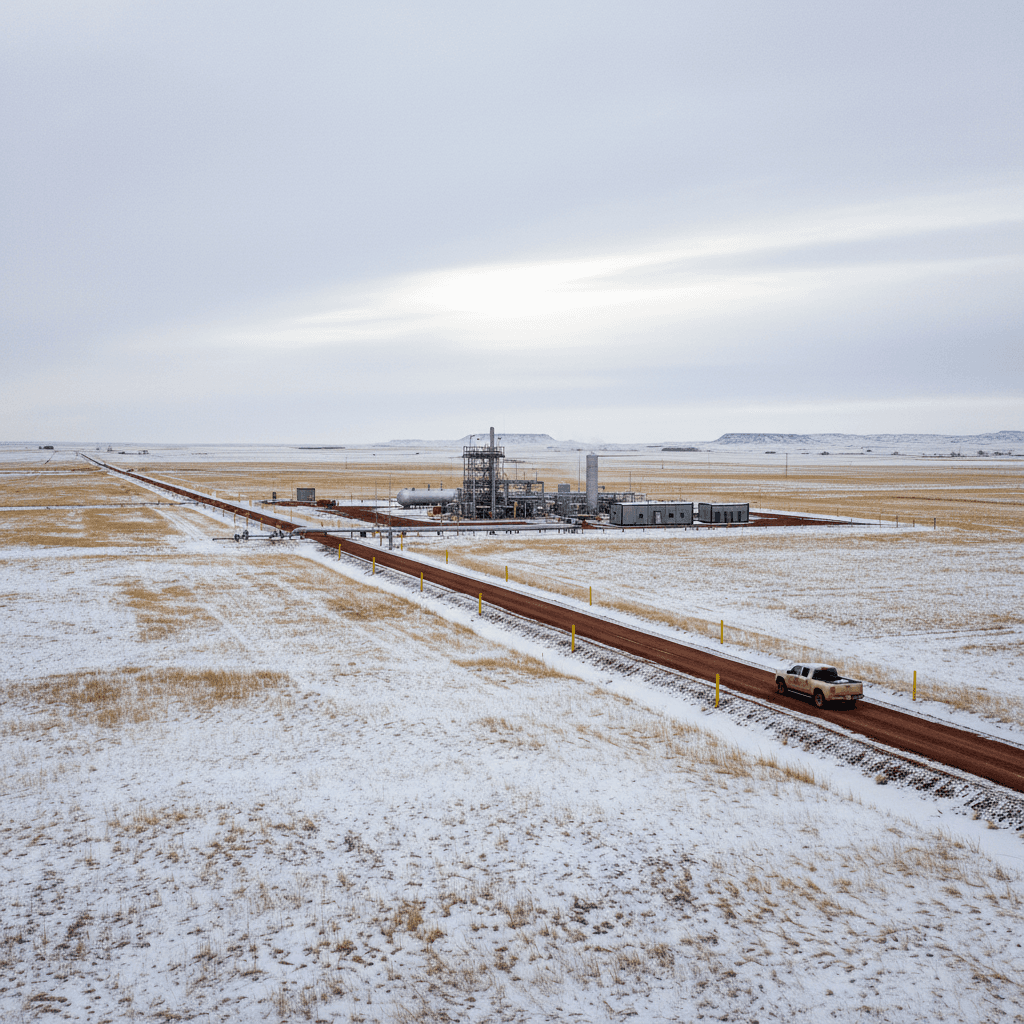
For Bakken operators and the state's oil industry, the pipeline remains a critical piece of infrastructure, providing a direct route to market for North Dakota crude. The final settlement closes a chapter on the protests that once threatened to halt the project, securing financial restitution for the state while the pipeline itself continues its uninterrupted operation.
Source
Bing News (Yahoo), Bing News (MSN)