WTI Crude--
Brent Crude--
Natural Gas--
ND Rig Count--
WTI Crude--
Brent Crude--
Natural Gas--
ND Rig Count--
North Dakota Secures Final $27.8M Federal Payment for DAPL Protest Costs - Bakken Wire
Pipeline & Infrastructure

North Dakota Secures Final $27.8M Federal Payment for DAPL Protest Costs

The Trump administration settlement brings the state's total reimbursement for 2016-17 demonstration expenses to nearly $38 million.

Bakken Wire Staff·☀️Morning Wire·

North Dakota will receive a final $27.8 million payment from the federal government to cover costs from the Dakota Access Pipeline (DAPL) protests, according to an announcement this past week by Attorney General Drew Wrigley. Combined with a previously secured $10 million, the state's total recovery reaches nearly $38 million.

The settlement resolves a long-running lawsuit where North Dakota sought reimbursement for law enforcement, emergency response, and cleanup expenses incurred during the nearly 10-month demonstrations. According to state officials, the emergency response lasted more than 230 days and involved 178 agencies, resulting in 761 arrests.

The protests began on April 1, 2016, when members of the Standing Rock Sioux Tribe and allies established the Sacred Stone Camp near the proposed pipeline route. Thousands gathered to oppose the project, arguing it threatened tribal water supplies and sacred sites. The U.S. Army Corps of Engineers initially denied a key easement in December 2016, but the decision was reversed after President Donald Trump took office, leading to the pipeline's completion.

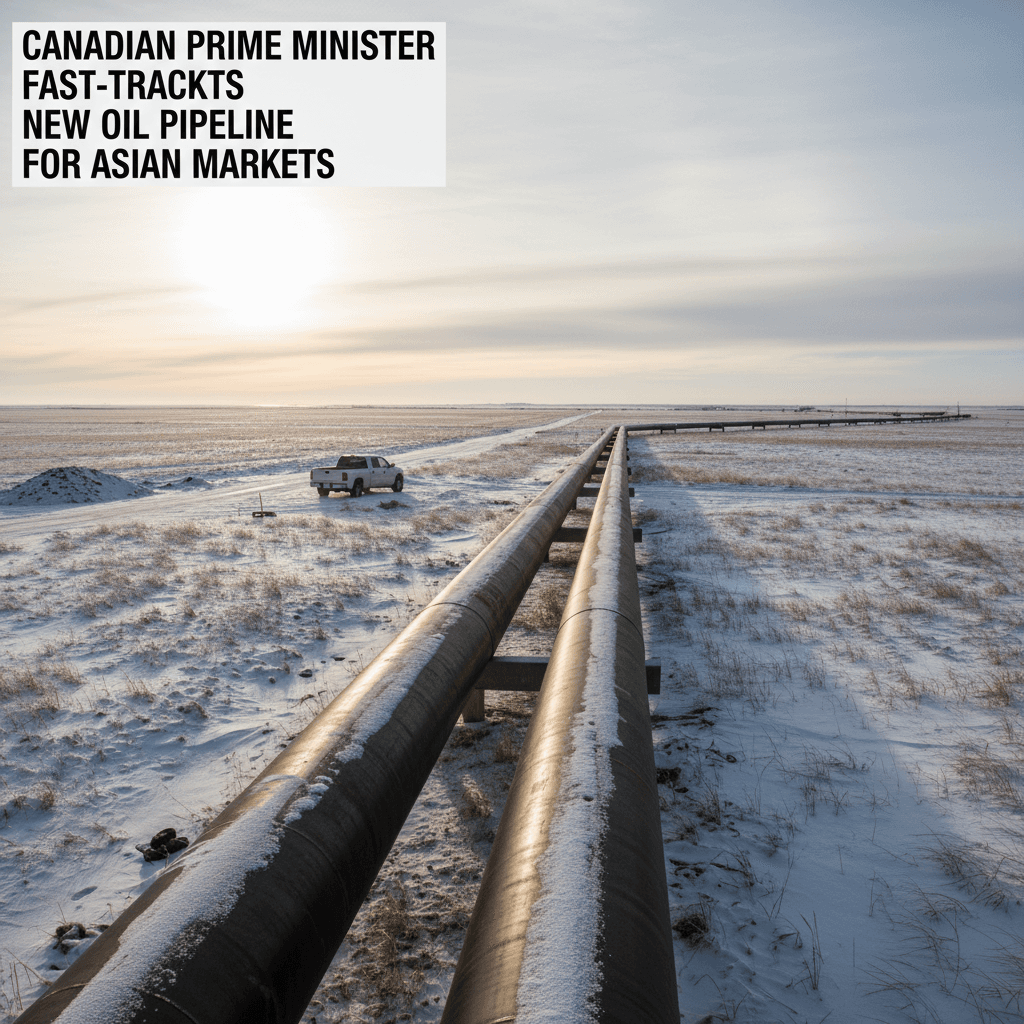
For Bakken operators and the state's oil industry, the DAPL pipeline remains a critical piece of infrastructure, transporting crude from the Bakken formation to Illinois. The line entered service in 2017 and has operated continuously since, despite the high-profile opposition.

The financial settlement directly impacts North Dakota taxpayers, who state officials argued should not bear the burden of protest-related costs. In a statement, Wrigley credited the work of his office and former Attorney General Wayne Stenehjem, who pursued the reimbursement before his death in 2022.

The closure of this financial chapter underscores the enduring significance of the pipeline to North Dakota's energy economy while providing the state with recovered funds originally expended during the historic protests.

Source

Bing News (2026-06-14)
dakota access pipelinedaplpipelineinfrastructurelaw enforcementsettlementnorth dakotabakken

Share this article

Related Articles

Pipeline & Infrastructure

Enbridge to Acquire Tallgrass Pipelines in $2.55 Billion Deal

Enbridge Inc. has agreed to acquire Tallgrass Pipelines in a deal valued at $2.55 billion, according to Rigzone. The transaction, reported on September 10, 2026, includes a 75 percent ownership stake in the Pony Express Pipeline. The Pony Express Pipeline is a significant conduit for crude oil produced in the Rocky Mountain region, with a capacity to carry up to approximately 460,000 barrels per day. Its route terminates at the Cushing, Oklahoma storage hub, a major pricing point for U.S. crude oil benchmarks. For Bakken operators, pipeline access to downstream markets is a critical component of their business. The Pony Express system provides a dedicated pathway for Rockies-sourced crude, which includes production from the Bakken formation in North Dakota. Consolidation of major pipeline assets under a large midstream company like Enbridge can influence market dynamics and long-term takeaway capacity. Midstream acquisitions of this scale often signal a focus on securing...

🌅Afternoon Wire·Sep 10
Standing Rock Pipeline Protests Mark 10-Year Anniversary, Recalling 2016 Flashpoint - Bakken Wire
Pipeline & Infrastructure

Standing Rock Pipeline Protests Mark 10-Year Anniversary, Recalling 2016 Flashpoint

The protests over the Dakota Access Pipeline (DAPL) reached a critical flashpoint in early September 2016, an event marking its 10-year anniversary this week, according to a report from the North Dakota Monitor. The $3.7 billion crude oil pipeline project ignited a months-long conflict after the U.S. Army Corps of Engineers approved its route half a mile outside the Standing Rock Sioux Reservation. The decision framed a national debate pitting American energy infrastructure against tribal sovereignty and environmental concerns. While developers and state officials argued modern steel pipelines were safer for fossil-fuel transit than railroads or trucks, the Standing Rock Sioux Tribe and a growing movement of allies contended the project threatened water sources, sacred sites, and the environment. What began as a smaller protest swelled into a major encampment south of Bismarck, drawing thousands of Indigenous people and activists from around the world. High-profile supporters, including actors Shailene Woodley...

🔆Midday Wire·Sep 6
Pipeline & Infrastructure

Decade Since DAPL Protests Began, Standing Rock Flashpoint Remembered

This week marks ten years since protests over the Dakota Access Pipeline (DAPL) intensified into a major conflict at the Standing Rock Sioux Reservation in North Dakota. According to a report from the Williston Herald, the world's attention turned to the state in early September 2016 after the U.S. Army Corps of Engineers approved plans for the $3.7 billion crude oil pipeline half a mile outside the reservation. The decision sparked a months-long standoff that pitted American energy development against tribal sovereignty. A grassroots movement of Indigenous protesters and allies from around the world argued the project threatened water supplies, sacred tribal sites, and the environment. Developers and state officials, meanwhile, maintained that modern steel pipelines offered safer fossil-fuel transit than railroads or trucks. Thousands of people, including Native Americans and climate activists, flocked to the plains south of Bismarck. Their numbers grew to the point of threatening to overwhelm...

☀️Morning Wire·Sep 6