WTI Crude--
Brent Crude--
Natural Gas--
ND Rig Count--
WTI Crude--
Brent Crude--
Natural Gas--
ND Rig Count--
North Dakota Secures Final $27.8M from Feds in DAPL Protest Cost Settlement - Bakken Wire
Pipeline & Infrastructure

North Dakota Secures Final $27.8M from Feds in DAPL Protest Cost Settlement

The state's total recovery nears $38 million, closing a long-running dispute over law enforcement and emergency response expenses from the 2016-17 demonstrations.

Bakken Wire Staff·🌅Afternoon Wire·

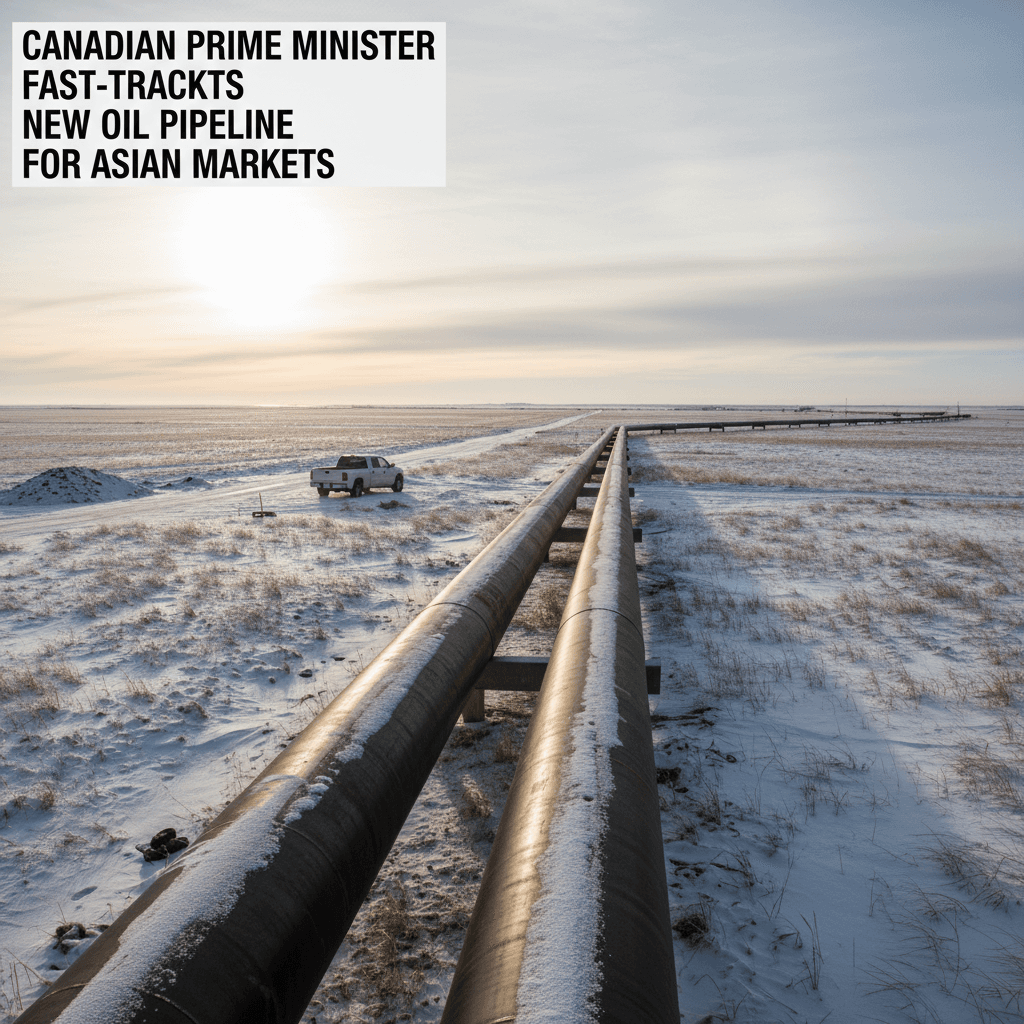
North Dakota will recover nearly $38 million from the federal government for expenses related to the massive 2016-17 protests against the Dakota Access Pipeline (DAPL), according to a final settlement announced this past week. The agreement requires the federal government to pay the state $27.8 million, which, combined with a previously secured $10 million payment, brings the total reimbursement close to $38 million, as reported by North Dakota Attorney General Drew Wrigley.

The settlement resolves a long-running lawsuit where the state argued taxpayers should not bear the financial burden of law enforcement, emergency response, and cleanup during the nearly 10-month demonstrations. The protests centered near the Standing Rock Sioux Reservation and federal lands managed by the U.S. Army Corps of Engineers, opposing the pipeline's route.

According to state officials, North Dakota's emergency response lasted more than 230 days and involved 178 response agencies from multiple counties. Authorities reported making 761 arrests during the protests, including 709 involving individuals from outside North Dakota.

The Dakota Access Pipeline is a critical piece of infrastructure for the Bakken formation, transporting crude oil from North Dakota's oil fields to Illinois. The project drew international attention and opposition in 2016, with protesters arguing it threatened tribal water supplies and sacred sites. Despite the protests, which saw a major camp established on April 1, 2016, and a temporary denial of a key easement by the Army Corps on December 4, 2016, the pipeline was completed and entered service in 2017 following a reversal of that decision under the Trump administration.

In a statement, Attorney General Wrigley credited the work of his office and the efforts of former Attorney General Wayne Stenehjem, who pursued the reimbursement before his death in 2022. The financial recovery closes a significant chapter for the state related to the pipeline's contentious construction period.

For Bakken operators and the state's oil industry, the DAPL has been a vital conduit for getting product to market. The final settlement removes a lingering financial claim from the state related to the pipeline's development, providing a definitive resolution to the cost dispute that arose from the historic protests.

Source

Bing News
dakota access pipelinedaplpipelineinfrastructurelaw enforcementsettlementnorth dakotabakken

Share this article

Related Articles

Global Midstream Moves Highlight Strategic Shifts as Bakken Exports Compete - Bakken Wire
Pipeline & Infrastructure

Global Midstream Moves Highlight Strategic Shifts as Bakken Exports Compete

International midstream and refining developments reported this week highlight the complex global market in which Bakken crude competes for buyers and favorable transport routes. In Australia, Buru Energy said it plans to build a mini-refinery to supply the Kimberley region, according to Rigzone. The project is part of a new sales model for volumes from the Ungani field in the Canning Basin. While not directly related to North Dakota, such small-scale, localized refining projects represent a global trend toward securing regional fuel supply chains, a contrast to the Bakken's primary role as an exporter of light sweet crude to larger, distant refineries. Separately, the Dangote Group has offered East African countries a 30 percent equity stake in a giant refinery planned for the region, Rigzone reported, citing a Kenyan presidential adviser. The development of major new refining capacity in Africa could alter long-term crude flow patterns and competition for market...

☀️Morning Wire·Aug 22
Global Midstream News Highlights Refinery Plans, Shipping Risks - Bakken Wire
Pipeline & Infrastructure

Global Midstream News Highlights Refinery Plans, Shipping Risks

International midstream and refining developments reported Friday highlight the global context for North Dakota's oil exports, with new projects emerging and persistent shipping risks affecting crude flows. In Australia, Buru Energy said it plans to build a mini-refinery to supply the Kimberley region, according to Rigzone. The project is part of a new sales model for volumes from the Ungani field in the Canning Basin. While a small-scale project, it reflects a broader industry trend toward localized refining to capture value from stranded or marginal resources. Separately, the Dangote Group has offered East African countries a 30 percent equity stake in a giant refinery planned for the region, Rigzone reported, citing a Kenyan presidential adviser. This major infrastructure development aims to serve the East African market, potentially altering long-term refined product trade flows. Meanwhile, shipping disruptions continue to pose risks to global crude movements. Various tankers, including from the Sinokor...

🌅Afternoon Wire·Aug 21
Global Tensions Lift Oil Near $94; Mid-East Export Routes Shift - Bakken Wire
Pipeline & Infrastructure

Global Tensions Lift Oil Near $94; Mid-East Export Routes Shift

Global oil prices climbed to a one-month high near $94 per barrel this week as new U.S. threats against Iran raised fears of a prolonged conflict, according to Rigzone. The increase in geopolitical risk provides underlying support for Bakken crude prices, which are benchmarked against global markers. In response to security threats, Saudi Arabia is altering its crude export logistics. Shipowners, including Sinokor Group, are helping shuttle Saudi oil north to evade Houthi militants targeting exports via the Bab el Mandeb chokepoint in the southern Red Sea, Rigzone reported. This rerouting underscores ongoing volatility in key global shipping lanes that can affect crude flow and pricing. Meanwhile, Norway's natural gas production rose for a second consecutive month in July, with preliminary figures showing output of about 12.38 billion cubic feet per day, Rigzone reported. As a major supplier to Europe, sustained production from Norway helps balance global gas markets, indirectly...

🔆Midday Wire·Aug 21