WTI Crude--
Brent Crude--
Natural Gas--
ND Rig Count--
WTI Crude--
Brent Crude--
Natural Gas--
ND Rig Count--
North Dakota to Receive $28M Federal Settlement for DAPL Protest Costs - Bakken Wire
Regulatory

North Dakota to Receive $28M Federal Settlement for DAPL Protest Costs

The state reaches a final agreement with the U.S. government, closing a seven-year lawsuit over law enforcement expenses from the 2016-17 pipeline demonstrations.

Bakken Wire Staff·☀️Morning Wire·

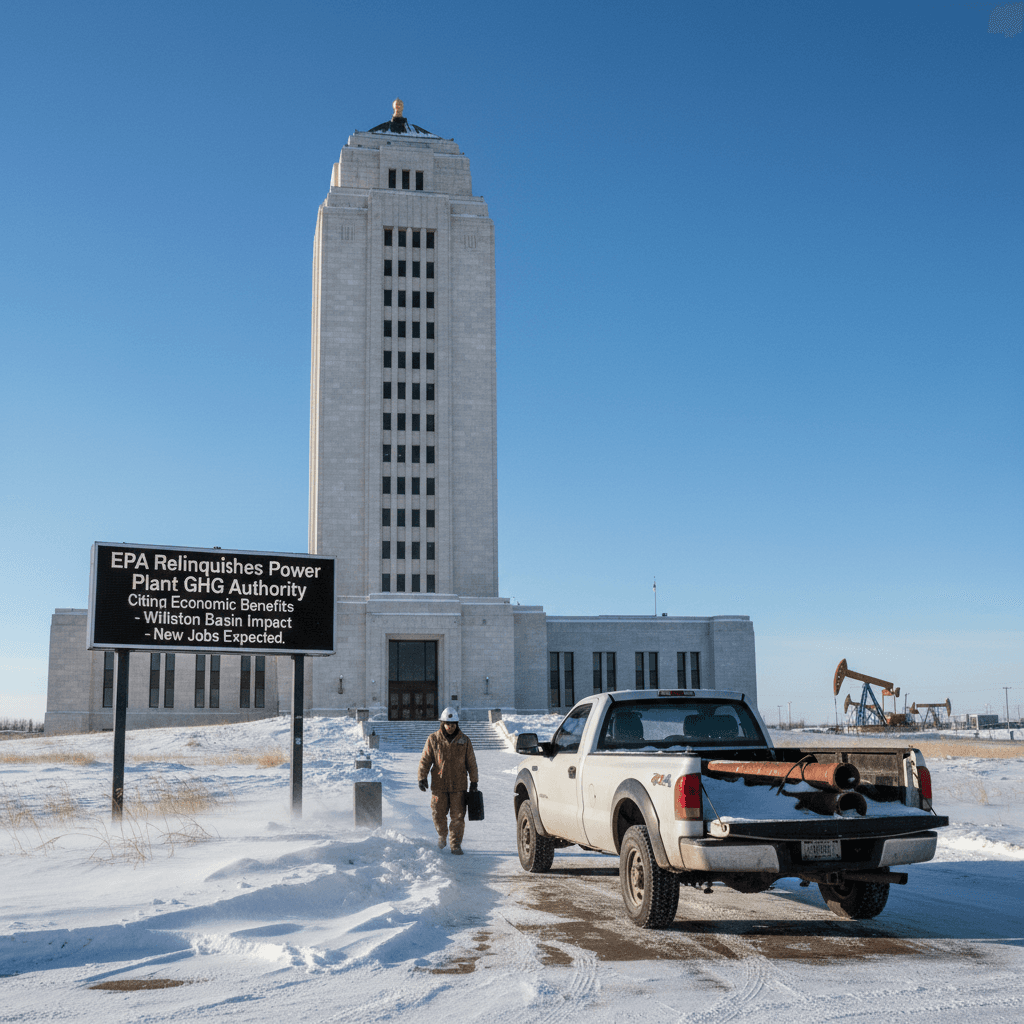
North Dakota will receive approximately $28 million from the federal government to cover costs incurred during the Dakota Access Pipeline protests, according to a settlement announced last week. The agreement finalizes a 2025 judgment from U.S. District Court Judge Dan Traynor and ends a lawsuit filed by the state in 2019.

The state alleged that the federal government, under the Obama administration, allowed protests against the crude oil pipeline to grow by unlawfully permitting demonstrators to camp on U.S. Army Corps of Engineers land in south-central North Dakota. As part of the settlement, the U.S. Department of Justice issued a statement acknowledging that, in hindsight, the federal government "could have done more to reduce the impacts to the people of North Dakota."

Attorney General Drew Wrigley stated the settlement prevents both parties from spending more public money on the nearly seven-year litigation. “An important chapter in our state’s history has been rendered indisputable and closed,” Wrigley said at a press conference, according to the North Dakota Monitor.

Governor Kelly Armstrong, in a separate statement reported by NewsDakota.com, called the settlement "long overdue." He said it "goes a long way toward making North Dakota whole, on top of the $10 million previously paid by the DOJ." Armstrong criticized the prior administration for "playing politics with a legally permitted pipeline that has now been operating for almost a decade without incident."

The state's emergency response was extensive. Trial testimony cited by NewsDakota.com indicated it lasted over 230 days, involved 178 response agencies across four counties, and resulted in 761 arrests. The cleanup of protest camps required over 600 dumpsters to remove 9.8 million pounds of garbage and hazardous materials.

For Bakken operators and the state's oil industry, the settlement resolves a longstanding financial and regulatory grievance. The Dakota Access Pipeline is a critical conduit for Bakken crude, and the protests represented a significant period of operational and political uncertainty. The final payment shifts the financial burden of policing the protests from North Dakota taxpayers to the federal government.

The settlement arrives amid ongoing energy market volatility. According to OilPrice.com, crude prices fell sharply late last week, with WTI trading around $85–$87 per barrel. While lower oil costs have provided some relief, inflation remains a concern, with several states preparing for inflation-indexed fuel tax hikes on July 1, though North Dakota is not among them.

Source

North Dakota Monitor (Source 1), NewsDakota.com (Source 3), OilPrice.com (Source 2)
dakota access pipelineregulationlitigationfederal governmentlaw enforcementsettlementbakken

Share this article

Related Articles

Iran Tensions Drive Oil Prices Higher - Bakken Wire
Regulatory

Iran Tensions Drive Oil Prices Higher

Oil prices climbed to a one-month high near $94 per barrel this week, according to a report from Rigzone. The increase was driven by new U.S. threats against Iran, which raised market fears of a prolonged conflict and potential supply disruptions. For operators in North Dakota's Bakken formation, higher crude prices directly improve cash flow and drilling economics. Sustained prices above $90 per barrel typically support increased activity and capital investment in the basin, though individual company plans depend on their specific financial frameworks. The current price environment, bolstered by geopolitical tension, offers a stronger revenue foundation compared to periods of lower volatility. This is critical for the state's oil production, which remains a primary economic driver. Market analysts watch such geopolitical events closely, as they can lead to rapid price swings. The Bakken's output contributes to overall U.S. supply, which helps buffer global markets against shocks from specific regions....

☀️Morning Wire·Aug 22
Iran Tensions Push Global Oil Prices Near $94 - Bakken Wire
Regulatory

Iran Tensions Push Global Oil Prices Near $94

Oil prices climbed to a one-month high near $94 per barrel on Thursday, according to a report from Rigzone. The increase was driven by new U.S. threats against Iran, which raised fears of a prolonged conflict in the region. For operators in North Dakota's Bakken formation, higher global benchmark prices directly improve the economics of new drilling and well completion projects. Sustained prices at or above current levels support cash flow and can influence decisions to maintain or increase activity in the Williston Basin. The Bakken region remains one of the United States' top oil-producing areas, and its output is a key component of domestic supply. Price volatility stemming from geopolitical events underscores the interconnected nature of the global oil market and its impact on local production economics. While the immediate price boost is a positive signal, Bakken operators typically manage their programs based on longer-term price outlooks and operational...

🌅Afternoon Wire·Aug 21
Monumental Energy Eyes New Zealand Gas Prospects in Taranaki Basin - Bakken Wire
Regulatory

Monumental Energy Eyes New Zealand Gas Prospects in Taranaki Basin

Monumental Energy Corp. is advancing plans for a new exploration block in New Zealand, according to a regulatory filing reported by Rigzone. The company and its partners have identified gas prospects in the prospective area within New Zealand's Taranaki Basin. The news, published on August 20, indicates the Williston Basin operator is continuing to evaluate international opportunities alongside its core operations in North Dakota. For Bakken-focused companies, diversifying exploration portfolios into other proven basins is a common strategy to balance long-term portfolio risk. While the development is centered overseas, its progress is monitored by Bakken stakeholders as an indicator of Monumental's strategic direction and financial health. Capital allocated to international projects can sometimes compete with domestic drilling budgets, though companies often fund such ventures through separate joint ventures or designated capital. The Taranaki Basin is New Zealand's primary hydrocarbon-producing region. A move by a Bakken operator into this arena highlights...

🔆Midday Wire·Aug 21