WTI Crude--
Brent Crude--
Natural Gas--
ND Rig Count--
WTI Crude--
Brent Crude--
Natural Gas--
ND Rig Count--
North Dakota to Receive $28M Federal Settlement for DAPL Protest Costs - Bakken Wire
Pipeline & Infrastructure

North Dakota to Receive $28M Federal Settlement for DAPL Protest Costs

State Attorney General announces resolution to lawsuit over federal handling of pipeline protests.

Bakken Wire Staff·☀️Morning Wire·

The federal government has agreed to pay North Dakota $28 million to settle a lawsuit over costs incurred by the state during the Dakota Access Pipeline protests, according to a report from Bing News. The settlement was announced by North Dakota Attorney General Drew Wrigley.

The lawsuit centered on the state's efforts to recoup millions spent on law enforcement and other emergency responses during the prolonged protests against the pipeline's construction near the Standing Rock Sioux Reservation. While the specific costs were not detailed in the source summary, similar past state estimates have run into the tens of millions.

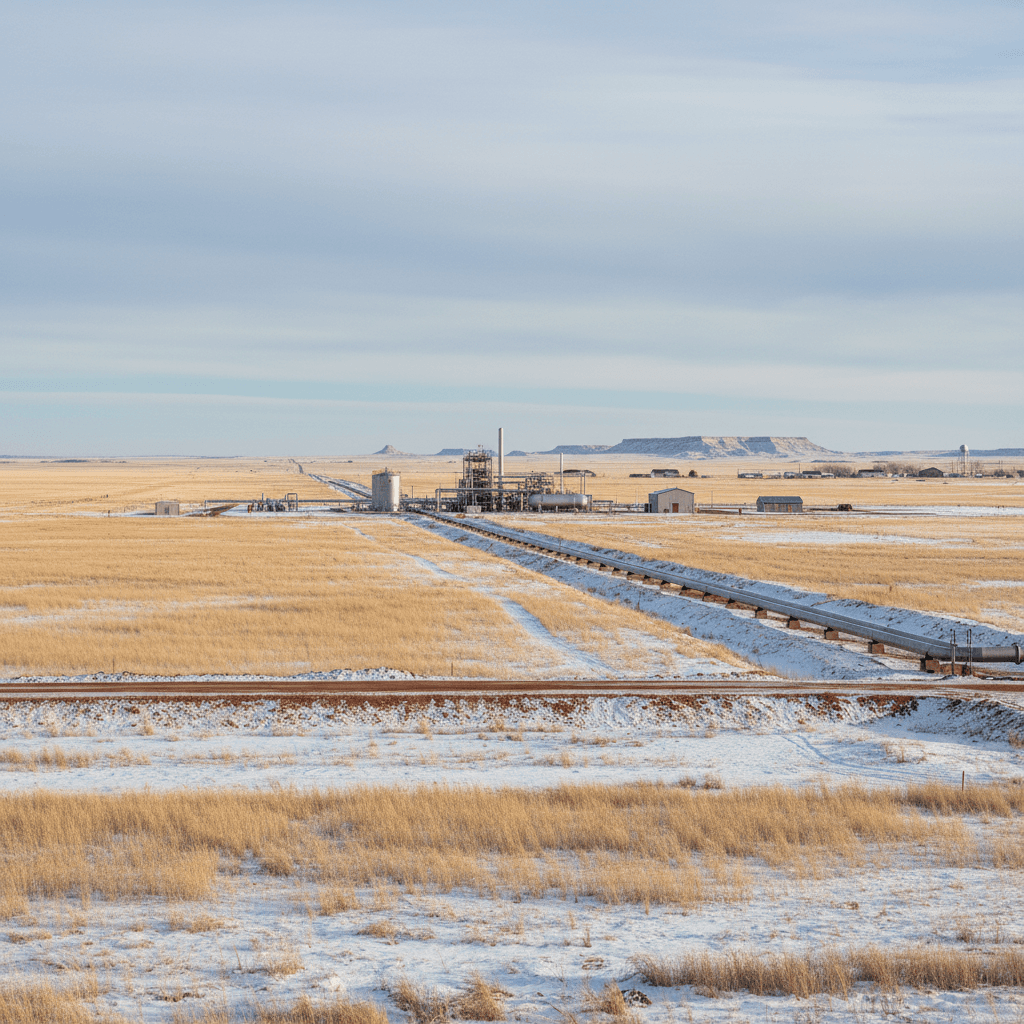
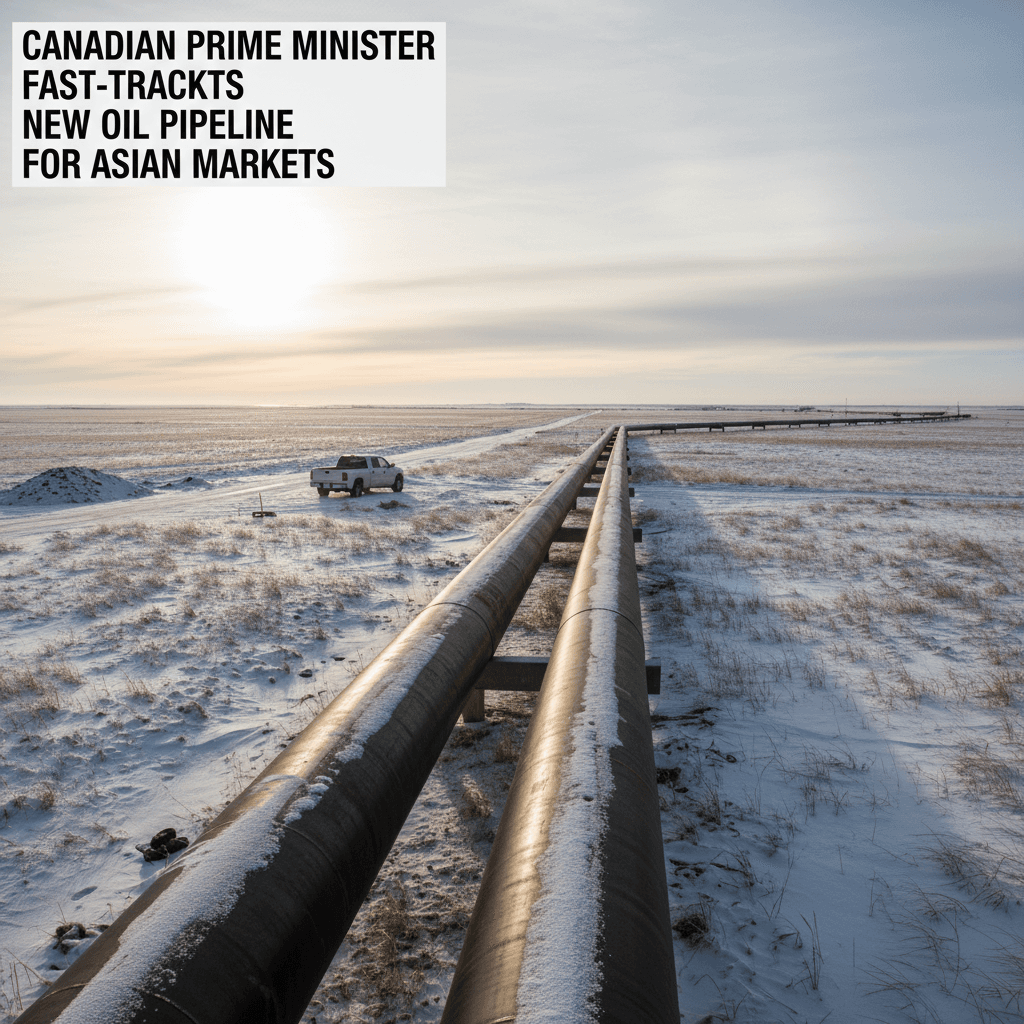
For Bakken oil operators, the Dakota Access Pipeline is a critical piece of infrastructure, transporting roughly half of North Dakota's daily oil production to market. The 1,172-mile pipeline runs from the Bakken formation in North Dakota to a terminal in Illinois. Periods of protest and legal uncertainty have previously raised concerns about shipment reliability.

The resolution of this financial dispute with the federal government represents a closing chapter on a significant period of operational and legal tension surrounding the pipeline's right-of-way. A stable regulatory and legal environment is crucial for the midstream sector that supports Bakken producers.

The settlement, as reported, indicates a move toward resolving the lingering financial burdens placed on the state during that period. Maintaining and securing key pipeline routes remains a top priority for ensuring the economic viability of the Bakken shale play.

Source

Bing News
dakota access pipelinepipelineinfrastructurelawsuitsnorth dakotabakken

Share this article

Related Articles

Standing Rock Pipeline Protests Mark 10-Year Anniversary, Recalling 2016 Flashpoint - Bakken Wire
Pipeline & Infrastructure

Standing Rock Pipeline Protests Mark 10-Year Anniversary, Recalling 2016 Flashpoint

The protests over the Dakota Access Pipeline (DAPL) reached a critical flashpoint in early September 2016, an event marking its 10-year anniversary this week, according to a report from the North Dakota Monitor. The $3.7 billion crude oil pipeline project ignited a months-long conflict after the U.S. Army Corps of Engineers approved its route half a mile outside the Standing Rock Sioux Reservation. The decision framed a national debate pitting American energy infrastructure against tribal sovereignty and environmental concerns. While developers and state officials argued modern steel pipelines were safer for fossil-fuel transit than railroads or trucks, the Standing Rock Sioux Tribe and a growing movement of allies contended the project threatened water sources, sacred sites, and the environment. What began as a smaller protest swelled into a major encampment south of Bismarck, drawing thousands of Indigenous people and activists from around the world. High-profile supporters, including actors Shailene Woodley...

🔆Midday Wire·Sep 6
Pipeline & Infrastructure

Decade Since DAPL Protests Began, Standing Rock Flashpoint Remembered

This week marks ten years since protests over the Dakota Access Pipeline (DAPL) intensified into a major conflict at the Standing Rock Sioux Reservation in North Dakota. According to a report from the Williston Herald, the world's attention turned to the state in early September 2016 after the U.S. Army Corps of Engineers approved plans for the $3.7 billion crude oil pipeline half a mile outside the reservation. The decision sparked a months-long standoff that pitted American energy development against tribal sovereignty. A grassroots movement of Indigenous protesters and allies from around the world argued the project threatened water supplies, sacred tribal sites, and the environment. Developers and state officials, meanwhile, maintained that modern steel pipelines offered safer fossil-fuel transit than railroads or trucks. Thousands of people, including Native Americans and climate activists, flocked to the plains south of Bismarck. Their numbers grew to the point of threatening to overwhelm...

☀️Morning Wire·Sep 6
Pipeline & Infrastructure

Standing Rock Pipeline Protests Reached Critical Flashpoint 10 Years Ago

The protest movement against the Dakota Access Pipeline (DAPL) reached a major flashpoint in early September 2016, drawing thousands to the Standing Rock Sioux Reservation and igniting a national debate over energy and tribal rights. According to a report from the North Dakota Monitor via Bing News, the conflict intensified after the U.S. Army Corps of Engineers approved plans for the $3.7 billion crude oil pipeline to run half a mile outside the reservation. The project created a stark confrontation between American energy infrastructure and tribal sovereignty. Pipeline developers and state officials argued that modern steel pipelines offered safer fossil-fuel transit than railroads or trucks. Meanwhile, the Standing Rock Sioux Tribe, led by then-Chairman Dave Archambault II, and allies contended the pipeline threatened water sources, sacred sites, and the environment. What began as a smaller protest swelled into a major encampment on the plains south of Bismarck. Thousands of Indigenous...

🌅Afternoon Wire·Sep 5
North Dakota to Receive $28M Federal Settlement for DAPL Protest Costs — Bakken Wire