WTI Crude--
Brent Crude--
Natural Gas--
ND Rig Count--
WTI Crude--
Brent Crude--
Natural Gas--
ND Rig Count--
Oil Gains on Black Sea Tanker Attack, Iran Tensions - Bakken Wire
Pipeline & Infrastructure

Oil Gains on Black Sea Tanker Attack, Iran Tensions

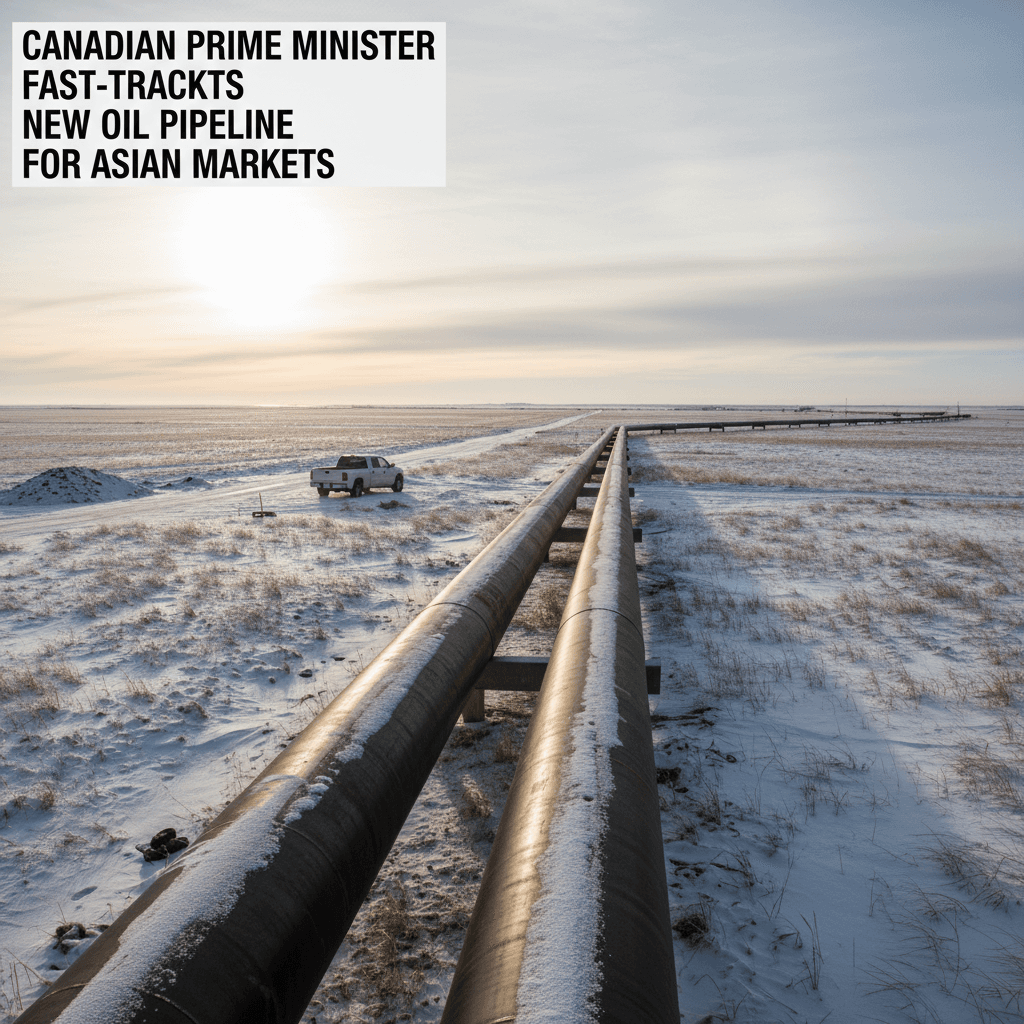
Global supply concerns push prices higher, highlighting importance of secure pipeline takeaway for Bakken crude.

Bakken Wire Staff·☀️Morning Wire·

Crude oil prices hit a three-week high Tuesday as tensions in key maritime chokepoints threatened global flows, according to Rigzone. The gains were driven by a standoff with Iran in the Strait of Hormuz and a separate attack on a Greek-run oil tanker in the Black Sea.

The Black Sea incident, reported by Rigzone, involved a tanker that had loaded a cargo of Russian oil. Such attacks underscore persistent risks to seaborne crude transportation. Meanwhile, Rigzone noted that tight fuel markets provided additional support for prices.

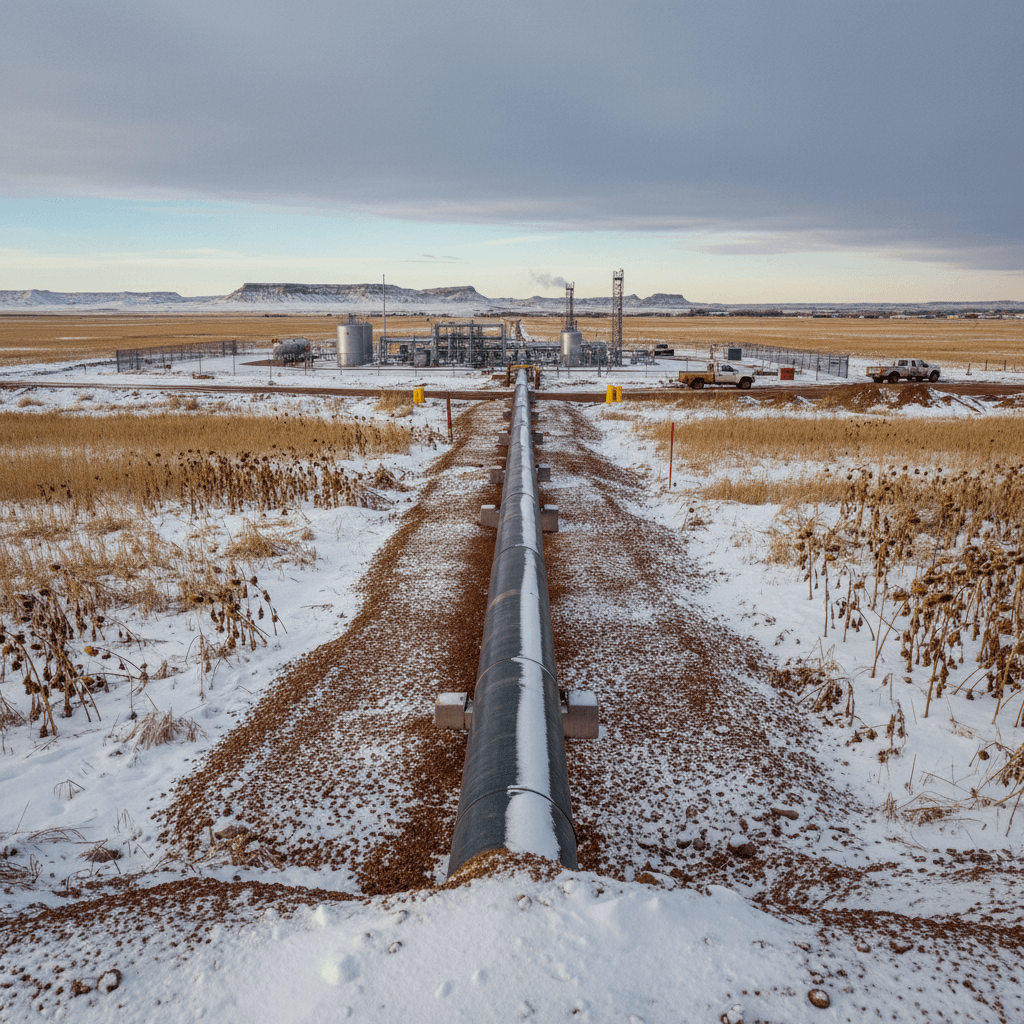
For Bakken producers, these international developments reinforce the value of secure, land-based pipeline takeaway capacity. While Bakken crude primarily moves via pipeline to U.S. refining markets, global price spikes driven by supply disruptions can improve netbacks for North Dakota wells, provided local infrastructure can deliver the oil to market.

In a separate infrastructure development, Equinor has agreed to buy a majority stake in a 1.48-gigawatt combined-cycle gas turbine power plant in Pennsylvania, Rigzone reported. The Norwegian energy firm stated it and partner Invenergy will "explore additional collaboration opportunities that leverage Invenergy's long-standing operating capabilities and position in the existing PJM power market."

Equinor is a significant player in the Bakken, operating more than 450,000 net acres in the region. The company's increased investment in U.S. energy infrastructure, including power generation, signals a continued commitment to its North American portfolio. For the Bakken, stable midstream and power infrastructure is critical for field operations and for processing and transporting oil and gas to end markets.

The day's events highlight the interconnected nature of global energy markets, where geopolitical events overseas can swiftly impact the economics of drilling and production in North Dakota's Williston Basin.

Source

Rigzone (Greek-Run Oil Tanker Comes Under Attack, published August 18, 2026; Oil Hits Three-Week High on Iran Standoff, published August component 18, 2026; Equinor to Buy Majority Stake in 1.48GW CCGT Plant in PA, published August 18, 2026)
crude pricesgeopoliticspipelinestakeaway capacityequinor

Share this article

Related Articles

Standing Rock Pipeline Protests Mark 10-Year Anniversary, Recalling 2016 Flashpoint - Bakken Wire
Pipeline & Infrastructure

Standing Rock Pipeline Protests Mark 10-Year Anniversary, Recalling 2016 Flashpoint

The protests over the Dakota Access Pipeline (DAPL) reached a critical flashpoint in early September 2016, an event marking its 10-year anniversary this week, according to a report from the North Dakota Monitor. The $3.7 billion crude oil pipeline project ignited a months-long conflict after the U.S. Army Corps of Engineers approved its route half a mile outside the Standing Rock Sioux Reservation. The decision framed a national debate pitting American energy infrastructure against tribal sovereignty and environmental concerns. While developers and state officials argued modern steel pipelines were safer for fossil-fuel transit than railroads or trucks, the Standing Rock Sioux Tribe and a growing movement of allies contended the project threatened water sources, sacred sites, and the environment. What began as a smaller protest swelled into a major encampment south of Bismarck, drawing thousands of Indigenous people and activists from around the world. High-profile supporters, including actors Shailene Woodley...

🔆Midday Wire·Sep 6
Pipeline & Infrastructure

Decade Since DAPL Protests Began, Standing Rock Flashpoint Remembered

This week marks ten years since protests over the Dakota Access Pipeline (DAPL) intensified into a major conflict at the Standing Rock Sioux Reservation in North Dakota. According to a report from the Williston Herald, the world's attention turned to the state in early September 2016 after the U.S. Army Corps of Engineers approved plans for the $3.7 billion crude oil pipeline half a mile outside the reservation. The decision sparked a months-long standoff that pitted American energy development against tribal sovereignty. A grassroots movement of Indigenous protesters and allies from around the world argued the project threatened water supplies, sacred tribal sites, and the environment. Developers and state officials, meanwhile, maintained that modern steel pipelines offered safer fossil-fuel transit than railroads or trucks. Thousands of people, including Native Americans and climate activists, flocked to the plains south of Bismarck. Their numbers grew to the point of threatening to overwhelm...

☀️Morning Wire·Sep 6
Pipeline & Infrastructure

Standing Rock Pipeline Protests Reached Critical Flashpoint 10 Years Ago

The protest movement against the Dakota Access Pipeline (DAPL) reached a major flashpoint in early September 2016, drawing thousands to the Standing Rock Sioux Reservation and igniting a national debate over energy and tribal rights. According to a report from the North Dakota Monitor via Bing News, the conflict intensified after the U.S. Army Corps of Engineers approved plans for the $3.7 billion crude oil pipeline to run half a mile outside the reservation. The project created a stark confrontation between American energy infrastructure and tribal sovereignty. Pipeline developers and state officials argued that modern steel pipelines offered safer fossil-fuel transit than railroads or trucks. Meanwhile, the Standing Rock Sioux Tribe, led by then-Chairman Dave Archambault II, and allies contended the pipeline threatened water sources, sacred sites, and the environment. What began as a smaller protest swelled into a major encampment on the plains south of Bismarck. Thousands of Indigenous...

🌅Afternoon Wire·Sep 5