Oil Prices Fall Amid Global Demand Concerns
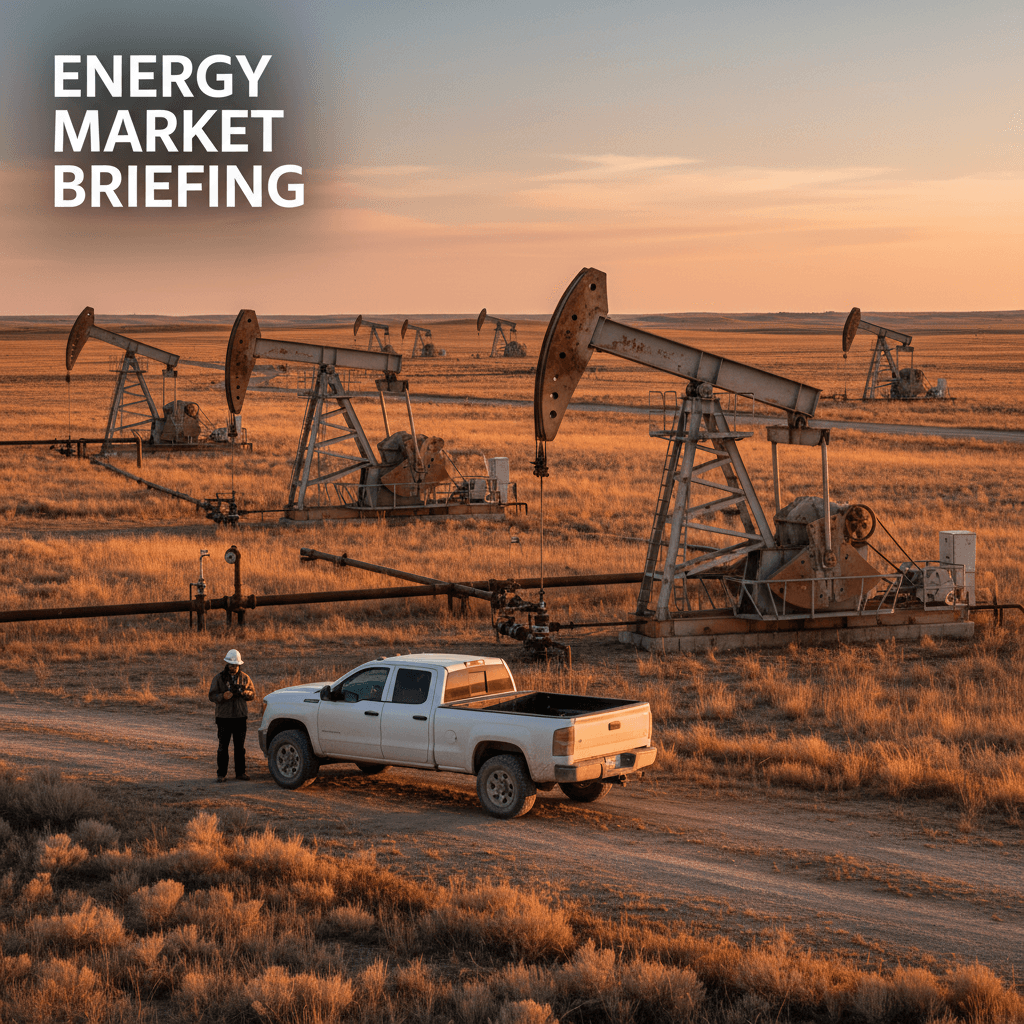
Bakken operators face a less favorable price environment as market sentiment weakens over demand and geopolitical uncertainty.
Oil prices retreated this week as traders weighed concerns over weakening global demand and stalled international negotiations, according to a report from Rigzone. While specific price levels were not detailed in the report, the downward pressure signals a less favorable near-term pricing environment for producers in the Bakken formation.
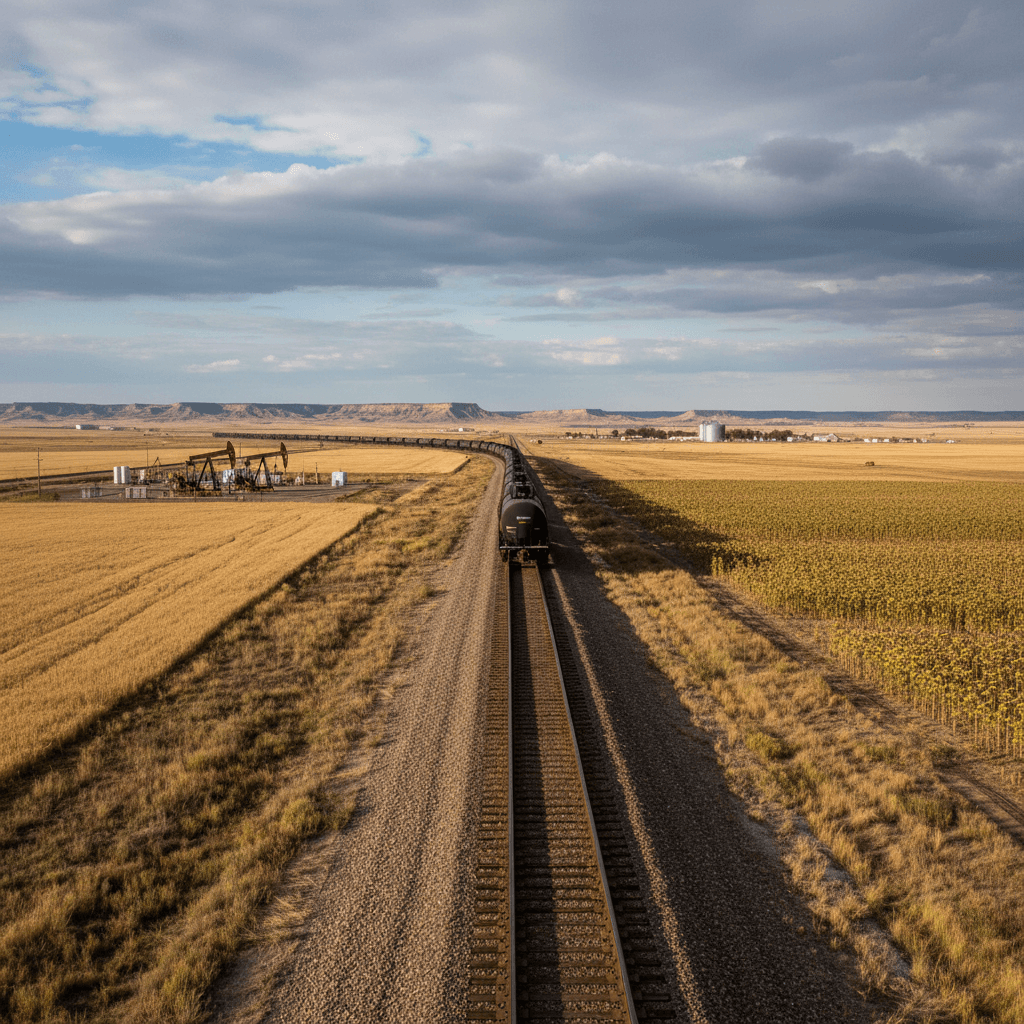
The primary drivers cited for the price decline are fears of softening global oil consumption and a lack of progress in U.S.-Iran negotiations. For Bakken operators, who extract crude from the prolific shale play in North Dakota, lower benchmark prices directly translate into reduced cash flow and can impact decisions on drilling and completion activity. The Bakken's production economics are tightly tied to the prevailing price of West Texas Intermediate (WTI) crude.
A sustained period of lower prices could lead operators to reassess their capital expenditure plans for the remainder of the year. Companies may prioritize completing drilled but uncompleted wells (DUCs) over initiating new drilling programs, as DUCs require less upfront capital. The health of the service sector in the Williston Basin is also sensitive to these shifts in operator spending.
The market's focus on demand fears highlights the ongoing sensitivity of oil prices to global economic indicators. Bakken production, which had been stabilizing at high levels following the pandemic recovery, remains a key source of U.S. supply but is not immune to worldwide demand fluctuations. The stalled geopolitical talks add another layer of uncertainty, as any potential resolution could alter global supply dynamics.
The recent price movement serves as a reminder of the volatile and externally driven nature of the commodity market that Bakken producers operate within. With prices retreating, attention will turn to monthly production reports and company guidance to gauge how North Dakota's oil industry is responding to the shifting economic landscape.
Source
Information attributed to Rigzone, published June 5, 2026.