Oil Prices Hold Near $100 as Bakken Operators Remain Cautious
WTI settles at $96.60 despite geopolitical premium, with state officials noting drilling activity has yet to respond significantly to higher prices.
Oil prices held firm near the $100 mark on Friday, with West Texas Intermediate (WTI) crude settling at $96.60 per barrel, a gain of 25 cents. The global benchmark, Brent crude, closed at $100.21, according to live market data. The Bakken crude differential was $3.42 below WTI.
The elevated prices continue to be supported by geopolitical tensions related to the Iran War, which has driven the benchmark U.S. oil contract up 44.1% in value since the conflict began in late February. However, operators in North Dakota's Bakken formation are taking a measured approach to capitalizing on the price environment.
According to a Reuters report, U.S. oil operators in North Dakota are cautious about increasing drilling despite the sharp rise in prices, waiting to see if the higher prices will last long enough to justify new investment. Mark Bohrer, assistant director for the Oil and Gas Division of the North Dakota Industrial Commission, stated that most producers have stuck to their budgets from the end of last season, limiting any immediate surge in activity.
"While the prices are higher, the majority of producers have stuck to their budgets from the end of last season, which has limited any immediate increase in drilling activity," Bohrer told Reuters.
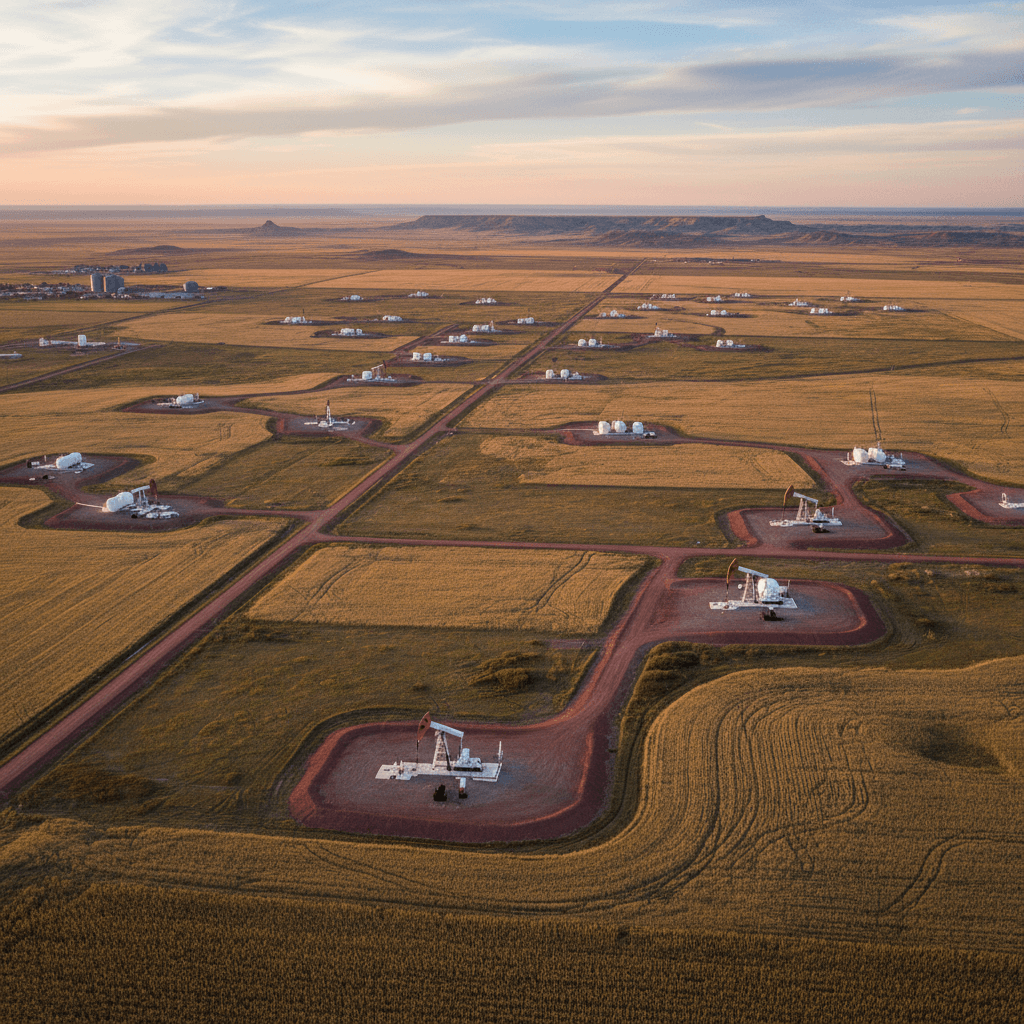
The state's drilling activity has remained static in the near term. The regulator reported North Dakota had 26 active rigs in May, the same count as in April, with 13 hydraulic fracture crews working. Production, however, has seen a recent increase. Oil production in North Dakota rose by 9,000 barrels per day (bpd) in March to 1,142,725 bpd. Production specifically from the Bakken and Three Forks formations increased by 11,000 bpd that month.
Bohrer expects production from the nation's third-largest oil-producing state to remain stable in the coming months, with a potential for a slight short-term increase as the pace of well completions picks up. Operators brought 49 wells online in March.
Specific company plans indicate a tentative response. The report noted that Continental Resources, the state's second-largest producer, had planned to add a drilling rig after laying one down earlier this year. Other companies may consider adding a few rigs if prices remain high. Meanwhile, other major operators like ConocoPhillips, EOG Resources, and Diamondback Energy are primarily diverting resources to drill or expand wells in the Permian Basin.
Supporting the broader price structure, U.S. crude inventories showed a significant draw. According to a Rigzone summary of an EIA report, crude oil stocks, excluding the Strategic Petroleum Reserve, stood at 445.0 million barrels on May 15, a weekly drop of almost 8 million barrels.
For Bakken operators and royalty owners, the current market presents a high-revenue environment but one tempered by budgetary discipline. The cautious stance suggests that significant gains in local drilling activity and employment will depend on the durability of current price levels.
Source
Live Price Data, Reuters via Bing News (May 22, 2026), Rigzone (May 22, 2026)