Oil Prices Plunge Amid Supply Concerns, Bakken Differential Widens
WTI crude falls nearly 4% to $90.23, while natural gas gains and analysts forecast a U.S. stock draw.
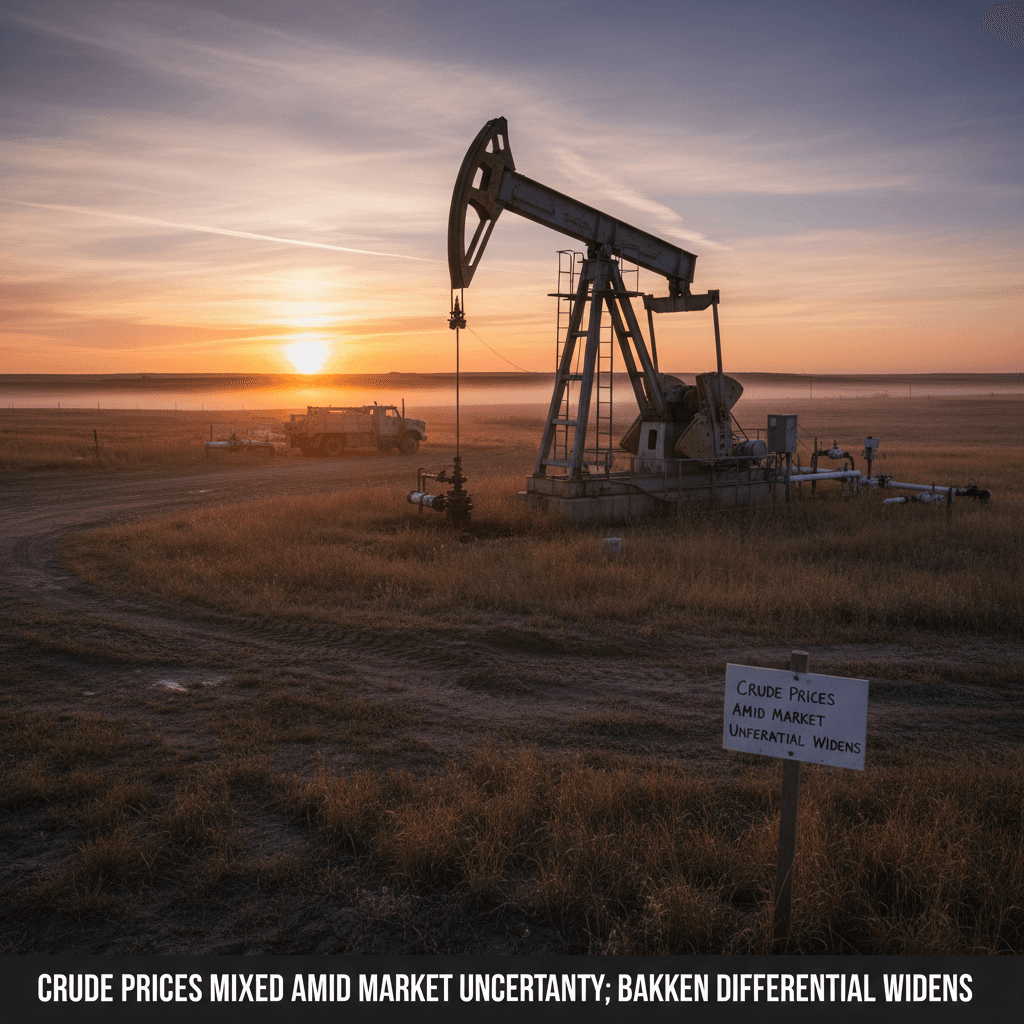
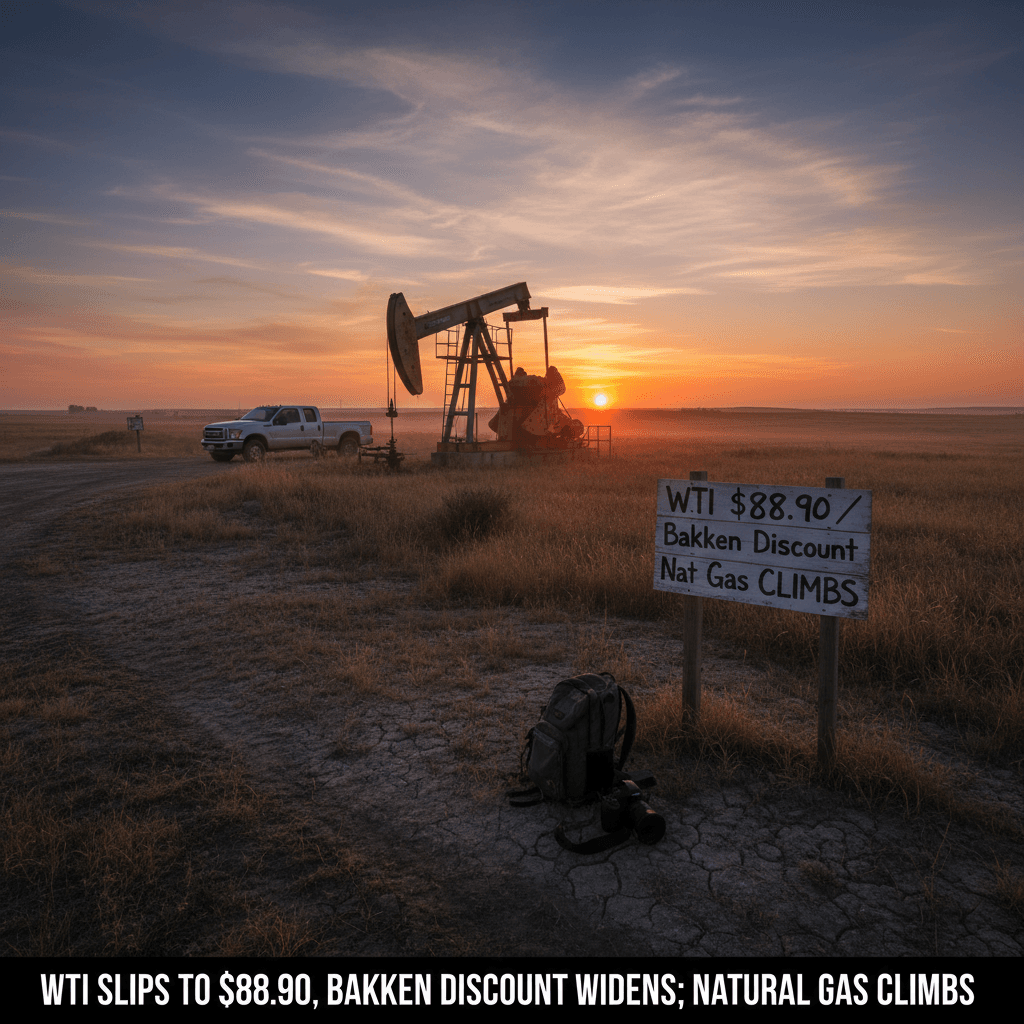
Oil prices fell sharply on Wednesday, with West Texas Intermediate (WTI) crude dropping $3.66 to settle at $90.23 per barrel, a decline of 3.9%, according to live price data. Brent crude also fell $3.01 to $93.66. The negative price move for Bakken crude was amplified, with the Bakken differential widening to -$3.42 versus WTI.
The decline in crude prices contrasts with a gain in natural gas, which rose $0.11 to $3.12. The price drop follows a period of elevated prices driven by Middle East conflict and supply disruptions.
One factor potentially tempering the crude price fall is an expected drawdown in U.S. inventories. According to Rigzone, Macquarie strategists are forecasting that U.S. crude inventories will be down for the week ending May 22. A reduction in stocks typically provides support to prices.
Global commodity markets are facing complex supply shocks beyond oil. According to a report from OilPrice.com, aluminum prices have surged nearly 17% since the onset of the U.S.-Iran conflict. Analysts from Mercuria, Goldman Sachs, and JPMorgan warn of a major supply shock driven by Middle East smelter outages, concerns over the Strait of Hormuz maritime chokepoint, and potential output curtailments in China. JPMorgan analysts warned the industry is facing a "serious and prolonged supply outage."
Meanwhile, downstream fuel markets remain volatile. OilPrice.com reported that TotalEnergies has extended its fuel price caps at all its service stations in France through June, citing "exceptional market volatility" since the beginning of the war in the Middle East. The company vows to pass on any material declines in international oil prices to customers.
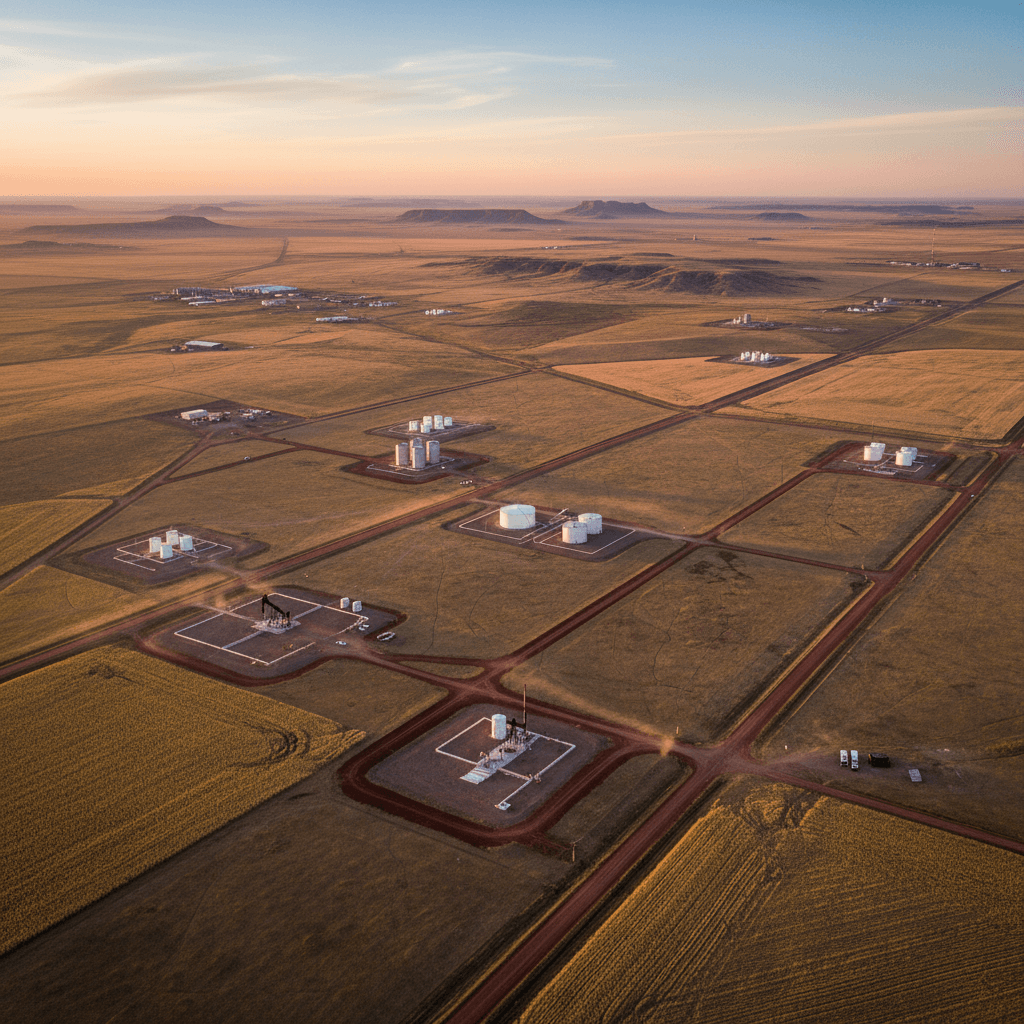
For Bakken operators, the widening negative differential to WTI means the local crude price is effectively lower than the headline benchmark. At today's prices, Bakken crude would be valued around $86.81 per barrel. The sharp single-day drop in crude prices, if sustained, could pressure near-term cash flows and margins. However, the anticipated draw in U.S. crude stocks and ongoing global supply uncertainties, as highlighted in the aluminum market, suggest underlying physical market conditions remain tight. The natural gas price increase offers a positive counterbalance for integrated operators or those with significant gas production.
Source
Live Price Data, OilPrice.com, Rigzone