Oil Prices Steady to Start Week Amid Quiet Trading
WTI and Brent hold at Friday's levels as Bakken differential narrows slightly, providing stable pricing for regional operators.
Front-month crude oil futures were unchanged in quiet electronic trading Sunday afternoon, with West Texas Intermediate holding at $82.40 per barrel and Brent crude steady at $88.52, according to live price data. The lack of movement reflects a typical weekend trading lull with no major market-moving news.
The Bakken crude differential, a key gauge of local pricing strength, was recorded at a discount of $3.42 per barrel versus the WTI benchmark. This price is what Bakken producers receive for their crude after accounting for transportation costs to the main trading hub in Cushing, Oklahoma. A stable, narrow differential supports operator cash flows.
For Bakken producers, the current price environment translates to a realized price of approximately $78.98 per barrel for Bakken crude when factoring in the differential. This level provides a stable revenue outlook for operators across the Williston Basin, supporting maintenance of current production levels and capital planning.
Natural gas prices were also steady, with the front-month contract at $2.73 per MMBtu. While not a primary driver for most Bakken operators, who are predominantly oil-focused, sustained low gas prices continue to pressure associated gas economics and can influence flaring decisions and gas capture investments.
The flat price action follows a week where broader market concerns, including OPEC+ supply policy and global economic demand signals, were in focus. Markets are awaiting fresh catalysts, with weekly U.S. inventory data from the Energy Information Administration due Wednesday often serving as a key price driver.
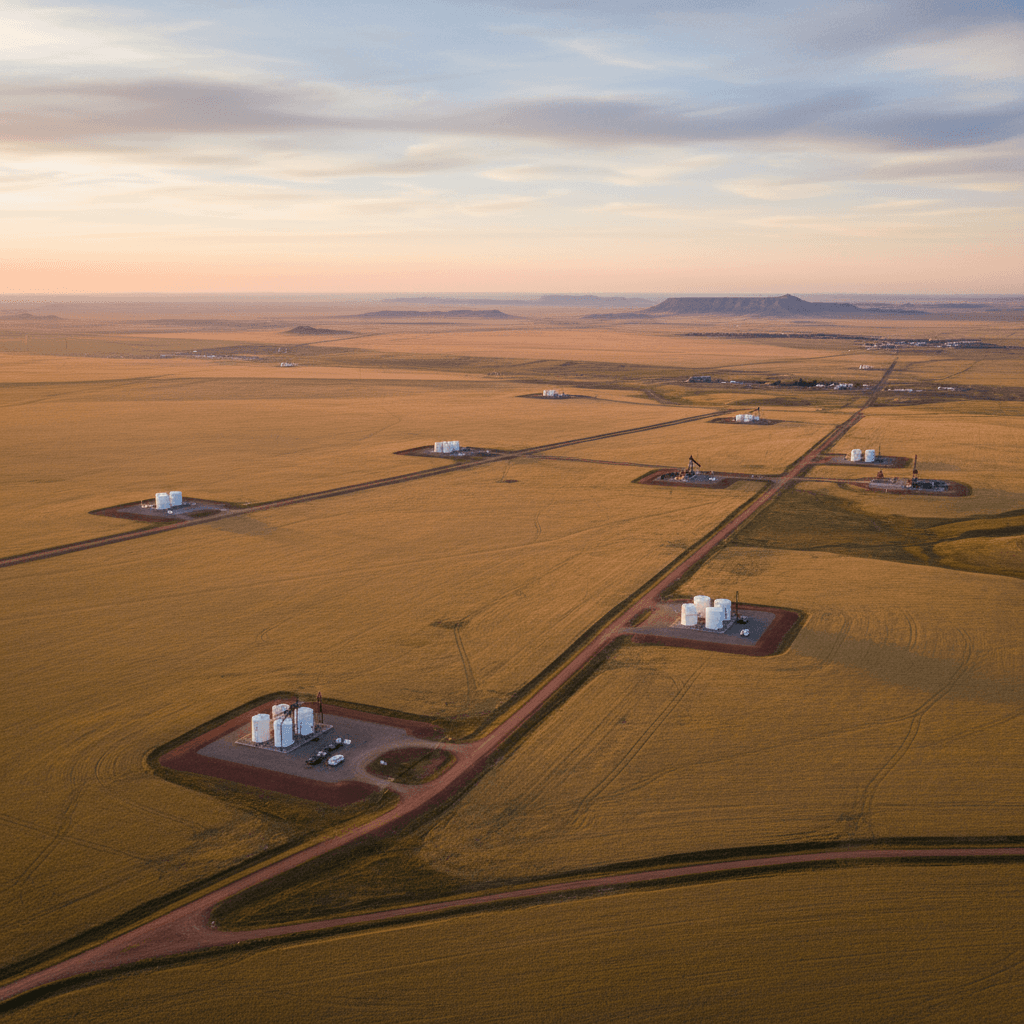
A steady oil price above $80 is generally viewed as supportive for activity in the Bakken formation, North Dakota's primary oil-producing region. It provides sufficient margin for operators to execute drilling and completion programs, particularly in the core counties. The lack of volatility in the differential also reduces pricing uncertainty for local producers and royalty owners.
Traders will be monitoring for any developments from the OPEC+ alliance regarding its production quotas, which have been a central pillar supporting prices. Geopolitical tensions and global refinery demand will also influence direction as the new trading week begins.
Source
Live Price Data, August 16, 2026