Oil Prices Surge Over 4% Amid Market Volatility
WTI nears $97 as Brent tops $108, but Bakken crude trades at a wider discount to the benchmark.
Oil prices rallied sharply in midday trading Thursday, with West Texas Intermediate crude surging $4.49 to settle at $96.65 per barrel, a gain of 4.87%. The global benchmark Brent crude rose $5.04 to $108.12 per barrel, according to live price data.
The price jump comes despite a reported build in U.S. commercial crude inventories. Commercial crude oil stocks, not including the Strategic Petroleum Reserve, came in at 426.39 million barrels on September 18, Rigzone reported, citing the latest weekly petroleum status report from the U.S. Energy Information Administration.
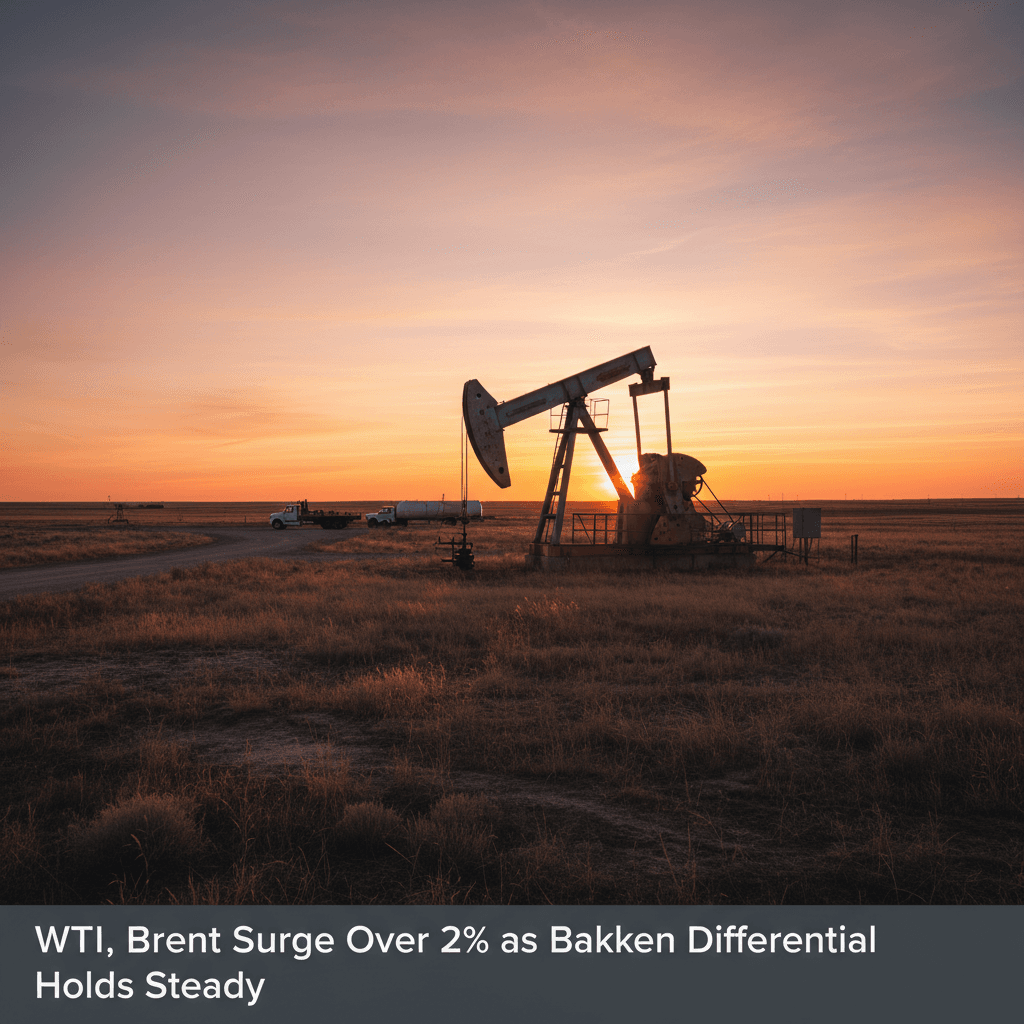
For Bakken operators, the price of crude at the wellhead is a key metric. Bakken crude traded at a discount of $3.42 per barrel below WTI on Thursday. This differential, which reflects the cost of transporting Bakken crude to major refining hubs, means local prices are tracking just below the surging benchmark.
In the natural gas market, prices also saw an uptick, rising $0.21 to $3.36 per million British thermal units.
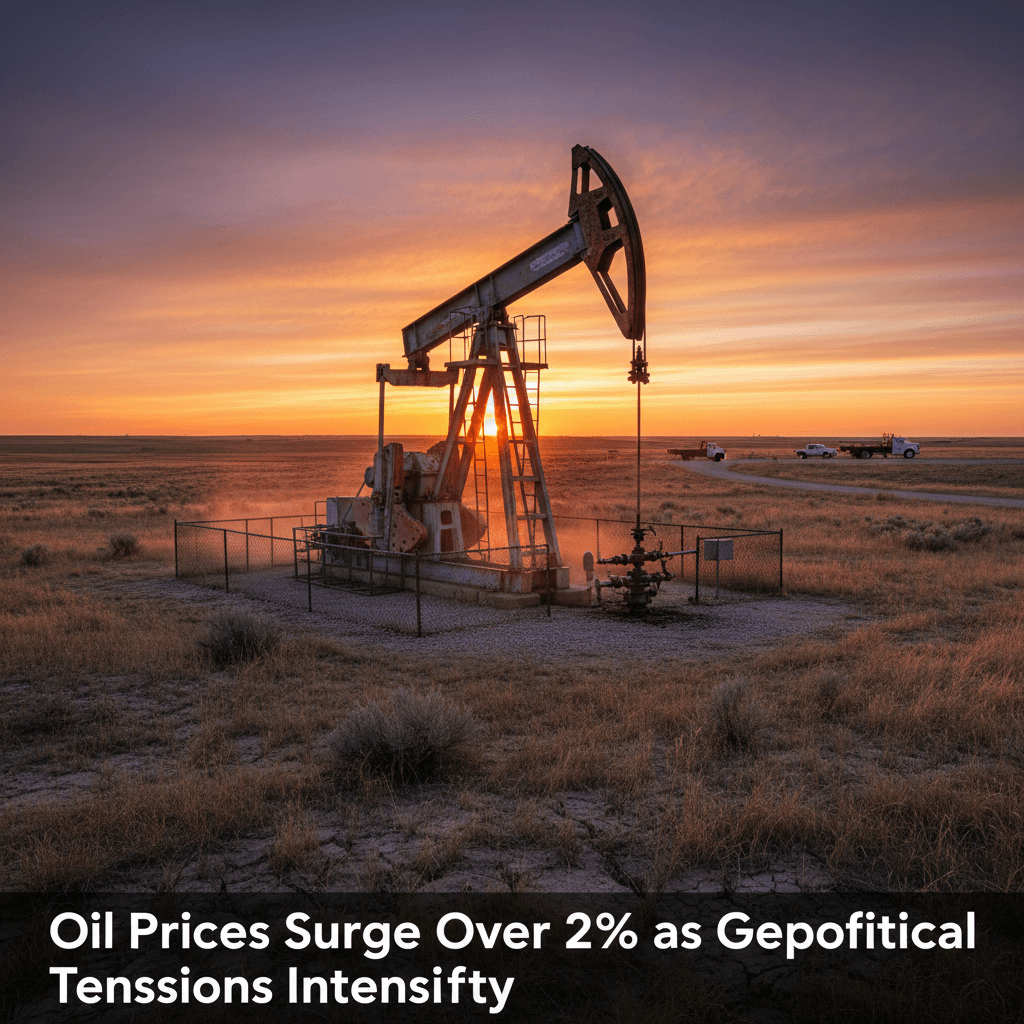
The significant price increase for oil suggests the market is reacting to factors beyond the weekly U.S. inventory data. Typical drivers for such a move include geopolitical tensions affecting global supply, shifts in OPEC+ production policy, or changes in demand forecasts. The price action indicates traders are focusing on tight physical supplies and potential future disruptions rather than a single week's stockpile increase.
The price surge, if sustained, would boost cash flows for producers across the Williston Basin. However, the wider Bakken differential compared to WTI highlights the ongoing midstream constraints and transportation costs that can erode the benefit of higher benchmark prices for North Dakota operators and royalty owners.
Source
Live price data; Rigzone report on EIA inventory data.