WTI Crude--
Brent Crude--
Natural Gas--
ND Rig Count--
WTI Crude--
Brent Crude--
Natural Gas--
ND Rig Count--
Reports Outline Plan to Revive Keystone XL, Extend Dakota Access - Bakken Wire
Pipeline & Infrastructure

Reports Outline Plan to Revive Keystone XL, Extend Dakota Access

A connected network of smaller pipeline projects could increase takeaway capacity from the Bakken and revive a stalled crude export route.

Bakken Wire Staff·🔆Midday Wire·

A new strategy using a patchwork of connected pipeline projects could resurrect the Keystone XL pipeline and extend the Dakota Access Pipeline (DAPL) north into Canada, according to a report from Bing News. The plan, described as creating "Frankenpipelines," would utilize existing pipe infrastructure to achieve the goals of the previously blocked projects.

For Bakken operators, increased pipeline access to Canadian markets and export terminals has long been a strategic priority. The Dakota Access Pipeline currently runs from North Dakota's Bakken formation to a hub in Patoka, Illinois. An extension northward could provide new routing options and market access. The revived Keystone XL pathway would offer another major conduit for crude from Western Canada, which could compete for capacity with Bakken barrels on other systems.

The reported approach suggests a shift from attempting to build single, large-scale greenfield pipelines, which face significant regulatory and legal hurdles, toward linking and expanding existing infrastructure. This modular strategy may face fewer obstacles, though specific regulatory steps were not detailed in the report.

Any expansion of northbound pipeline capacity from the Williston Basin would potentially benefit producers by providing more direct access to Canadian heavy oil refineries and the Trans Mountain pipeline system, which leads to the West Coast for export to Asia. Enhanced connectivity between the Bakken and Canadian systems could improve pricing competitiveness and logistical flexibility.

The Bing News report did not specify a timeline or identify the companies behind the reported plan. The original Keystone XL project was canceled in 2021, while the Dakota Access Pipeline has operated since 2017 under ongoing legal scrutiny regarding its river crossing permits.

Source

Bing News
dakota access pipelinekeystone xlpipelinesinfrastructuretakeaway capacityexports

Share this article

Related Articles

Pipeline & Infrastructure

Canada Moves to Fast-Track Oil Pipeline for Asian Markets

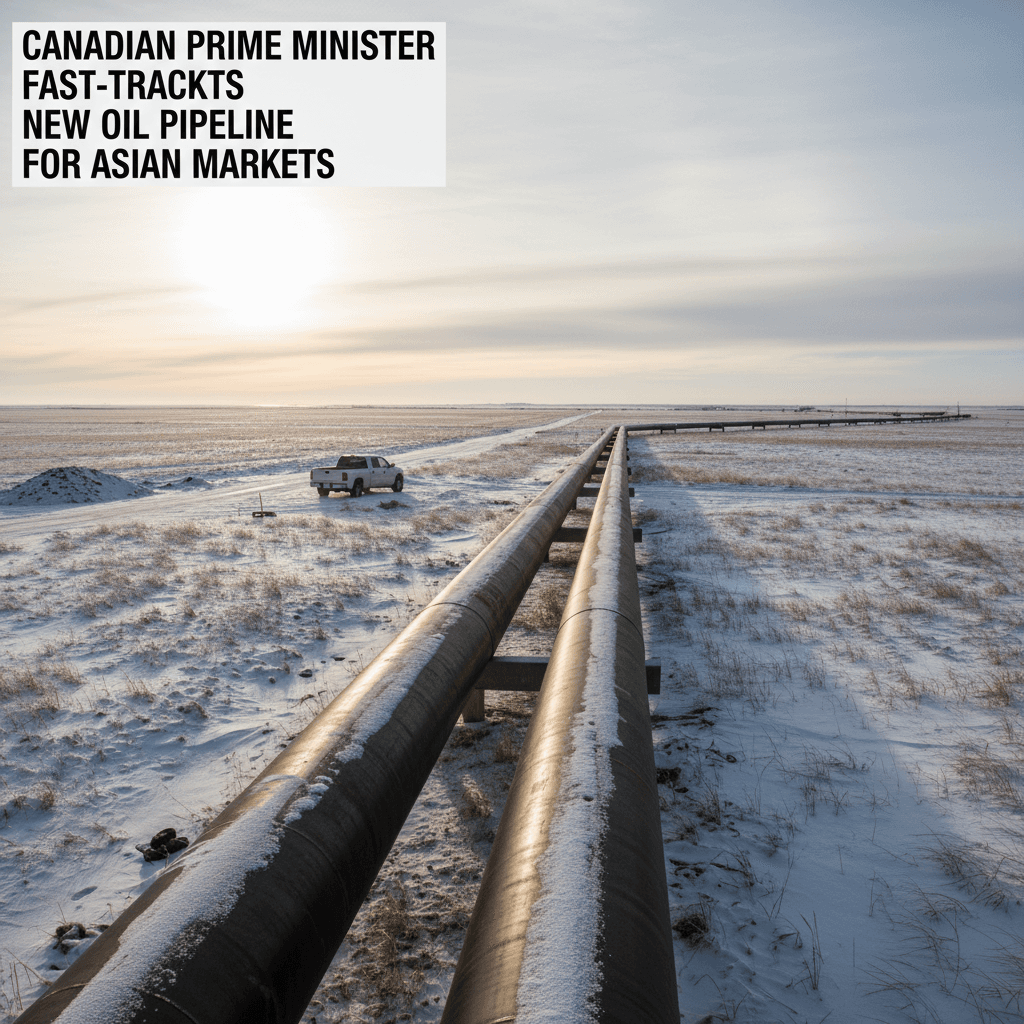
Canadian Prime Minister Mark Carney is invoking new powers to fast-track regulatory approval for a major new oil pipeline, according to a report from Rigzone. The move aims to expand Canada's access to Asian crude markets. While the specific pipeline project was not named in the report, the push for increased export capacity from Canada represents a significant shift in North American energy infrastructure policy. For Bakken operators, the development carries both competitive and logistical considerations. Increased pipeline capacity from Western Canada could influence crude pricing benchmarks across the continent, including the Bakken's own local price at Clearbrook, Minnesota. Greater volumes of Canadian crude reaching global markets can affect the supply-demand balance for similar light sweet crudes produced in the Williston Basin. Historically, pipeline constraints have limited Canadian crude to primarily U.S. Midwest markets, keeping a lid on prices. A new high-capacity outlet to Asia could alter that dynamic, potentially...

☀️Morning Wire·Oct 4
Canadian Prime Minister Fast-Tracks New Oil Pipeline for Asian Markets - Bakken Wire
Pipeline & Infrastructure

Canadian Prime Minister Fast-Tracks New Oil Pipeline for Asian Markets

Prime Minister Mark Carney has invoked new powers to expedite regulatory approval for a new, high-capacity oil pipeline, according to a report from Rigzone. The move aims to expand Canada's access to Asian markets. The development, reported on October 2, signals a renewed push by Canada to move its crude oil to West Coast export terminals. For Bakken operators in North Dakota, new Canadian pipeline capacity can influence regional market dynamics. Increased pipeline takeaway capacity from Western Canada can affect the flow of competing crudes, including Bakken barrels, through existing midcontinent pipeline systems. Changes in these flows can impact local basis differentials—the difference between the price of Bakken crude at the wellhead and the U.S. benchmark price. While the Rigzone report did not specify a pipeline route or capacity, any major new Canadian export conduit could alter crude oil logistics in North America. Bakken crude often moves to market via...

🔆Midday Wire·Oct 3
Pipeline & Infrastructure

Canada Moves to Fast-Track Oil Pipeline for Asian Market Access

Canadian Prime Minister Mark Carney is expediting regulatory approval for a new, high-capacity oil pipeline intended to expand Canada's access to Asian markets, according to a report from Rigzone. The report, published October 2, stated Carney has invoked new powers to fast-track the project. The development highlights ongoing efforts by North American producers to reach lucrative overseas markets beyond domestic and traditional refining hubs. Increased Canadian export capacity to Asia could influence global crude pricing benchmarks and shipping routes. For operators in North Dakota's Bakken formation, new Canadian pipeline capacity represents a shifting competitive landscape. Bakken crude, which primarily moves to market via pipelines, rail, and truck, often competes with Canadian heavy and light crude grades in the U.S. Midwest and Gulf Coast refining markets. Enhanced Canadian access to Asian buyers could, over time, alter flow patterns and competition for pipeline space within the continent. However, the specific impact on...

🌅Afternoon Wire·Oct 2