Space Tensions Highlight Bakken's Vulnerability to Global Energy Disruptions
U.S. accuses Russia of reckless satellite maneuver, underscoring geopolitical risks to oil markets and Bakken's export-dependent production.
Escalating tensions over a dangerous satellite maneuver have brought new focus to the geopolitical risks facing global energy markets, a critical concern for North Dakota's Bakken formation which relies on stable international trade for its crude exports. On October 21, U.S. officials publicly accused Russia of threatening a commercial satellite, with a senior adviser calling the behavior "deliberately reckless," according to a report from OilPrice.com.
The incident involves a Russian military satellite, Kosmos-2612, which moved "exceptionally close" — within an estimated 200 meters — of a U.S.-registered, Finnish-operated satellite named ICEYE-X36. Aerospace intelligence firm LeoLabs stated the action was "consistent with sophisticated rendezvous and proximity operations" and was not a routine event, OilPrice.com reported. The targeted satellite provides radar imagery through cloud cover to clients including the Ukrainian Defense Ministry.
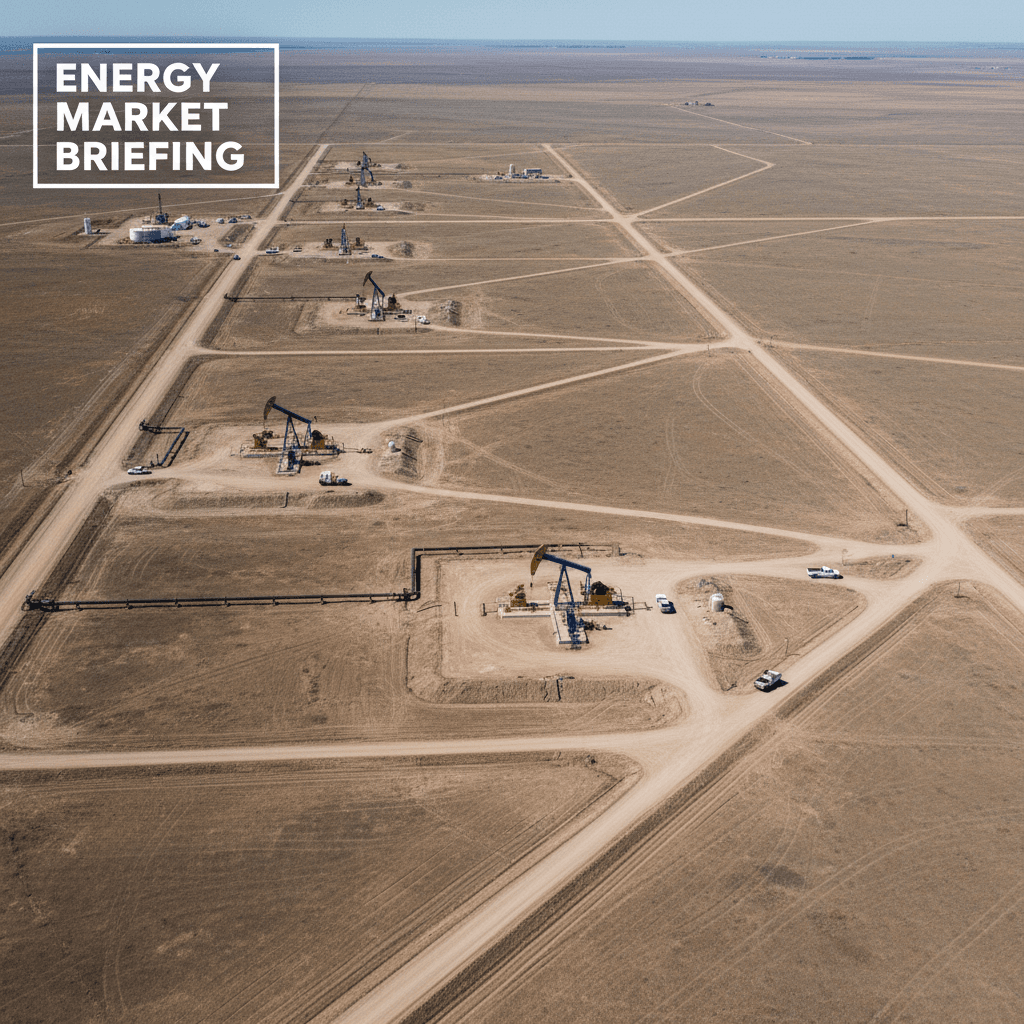
For Bakken operators and royalty owners, such geopolitical flashpoints serve as a stark reminder of the basin's exposure to international instability. North Dakota's oil production is heavily dependent on reaching global markets, and any conflict that disrupts trade routes or triggers a risk-off sentiment in commodities can directly impact local wellhead prices and drilling plans.
Brian Hardesty, an adviser to the U.S. Delegation to the Conference on Disarmament, told a UN committee that the Russian satellite "exhibited threatening behavior... consistent with an on-orbit weapons operation," according to the source. Russia dismissed the claims as "absurd" and countered by accusing the United States of "aggressive military space ambitions."
The public accusations and counter-accusations, including references to U.S. "on-orbit space control weapons" by Air Force Secretary Troy Meink, highlight a deteriorating strategic environment. While the immediate event occurs in orbit, the underlying tensions between major powers have a history of spilling over into energy security and economic policy, influencing the investment climate for shale basins like the Bakken.
The core takeaway for the Williston Basin is that external, non-market risks remain a persistent factor. Events far removed from North Dakota's oil fields can rapidly influence the calculus for producers, affecting everything from hedging strategies to capital expenditure budgets. The stability of global systems—whether orbital or geopolitical—is inextricably linked to the economic stability of oil-producing regions.
Source
According to a report from OilPrice.com published October 23, 2026.