Syria Energy Rebuild Adds Middle East Supply Variable for Bakken
OilPrice.com reported Syria’s post-conflict energy recovery and foreign investment interest could affect global oil markets relevant to North Dakota producers.
A potential recovery in Syria’s oil and gas sector, reported by OilPrice.com, is introducing a new Middle East supply variable into global crude markets, with implications for North Dakota producers and royalty owners.
According to OilPrice.com, Syria is undergoing countrywide reconstruction after more than a decade of conflict that damaged infrastructure and displaced millions. The transitional government led by President Ahmed al-Sharaa, formed on March 29, 2025 after the Assad regime ended, has prioritized institutional reorganization, security integration, economic stabilization and transitional justice ahead of planned national elections in 2030.
Energy has been central to those plans. OilPrice.com reported the transitional government has taken control of Syrian energy assets including the Omar oil field and the Tabiyeh gas complex. For years, Syria’s energy sector was split because Damascus sat far from the oil-rich northeast, while the government retained oversight of gas output in central Syria but lost control of some of the country’s largest production sites.
A 2026 agreement between the transitional government and the Kurdish-led Syrian Democratic Forces could further unify energy governance by integrating SDF forces into state structures, according to OilPrice.com. The report said lifting of U.S. and European Union sanctions after the Assad regime’s fall and relaunch of SWIFT have made it easier for international companies to invest.
Pre-conflict output, before 2011, averaged 380,000 barrels per day of crude and 900 million cubic feet of gas, OilPrice.com reported. Wood Mackenzie figures cited in the report showed conflict cut oil production by 80% and gas output by about half. Syria still has estimated reserves of 1.3 billion barrels of oil equivalent, vast unexplored onshore areas and an entirely untapped offshore sector, according to the report.
Foreign capital is beginning to move. OilPrice.com said in May Syria announced an offshore site for its first deep-water oil and gas exploration project to be developed by U.S. major Chevron, Qatar’s UCC Holding and Syrian Petroleum Company. Other U.S. oil and gas firms have expressed interest in projects under the transitional government, opening the door to new investment opportunities.
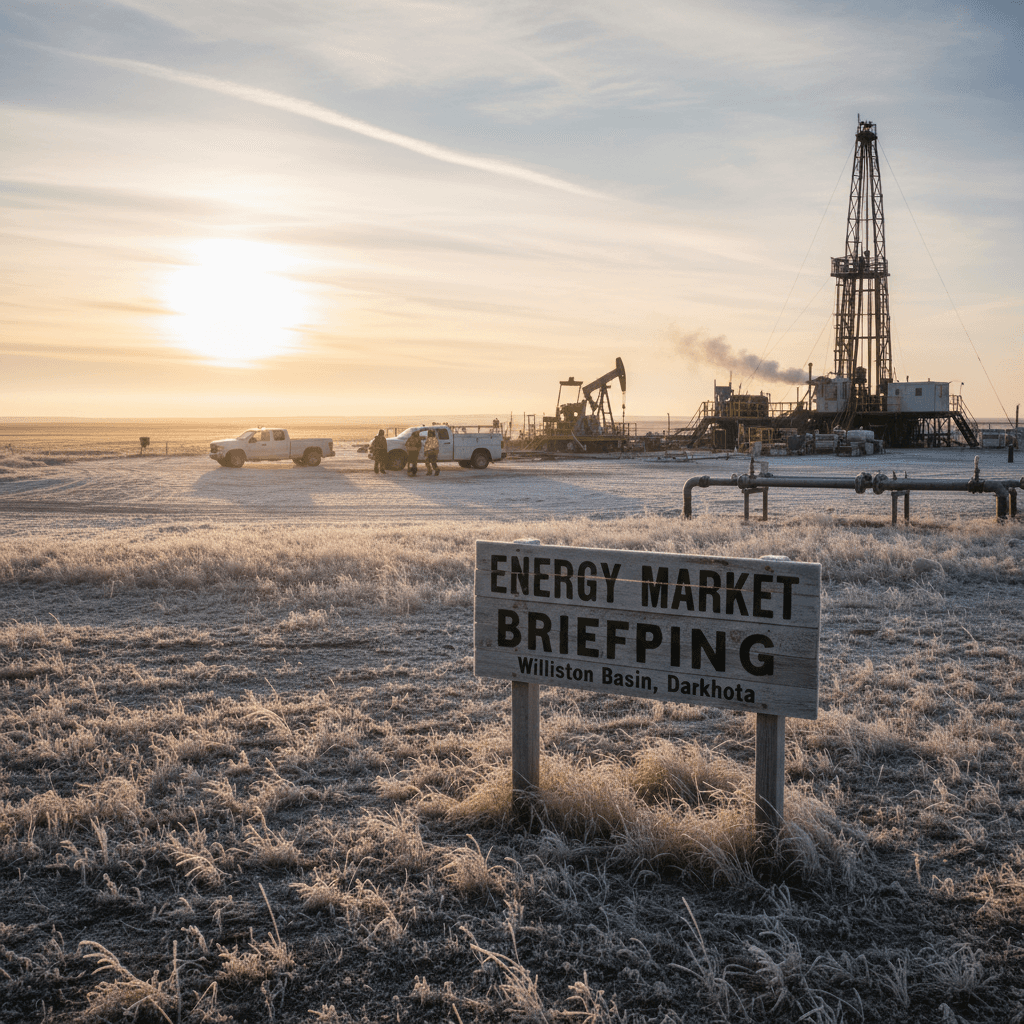
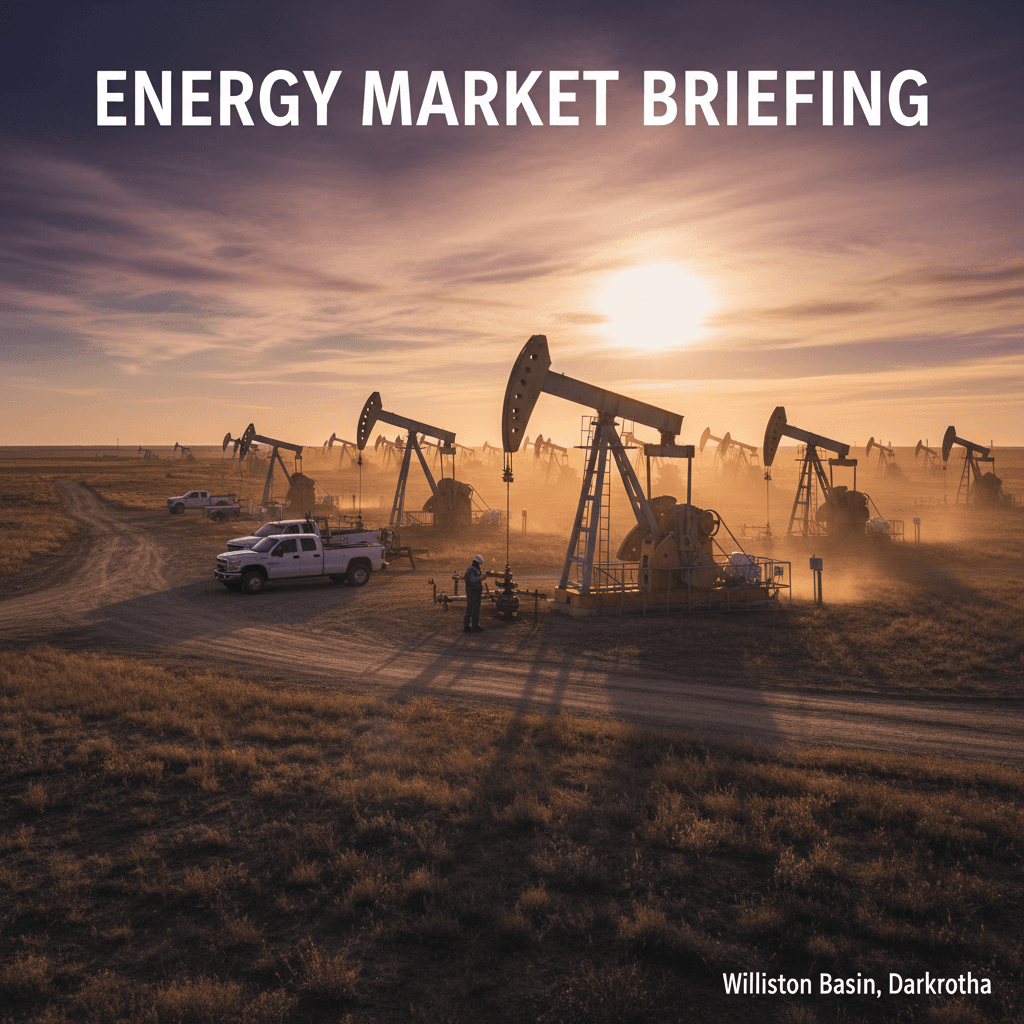
For Bakken operators, the relevance lies in global supply balances. The Bakken formation is North Dakota’s primary oil-producing region, and its light, tight crude competes in a global market where changes in Middle East production can influence price expectations for producers, service companies and royalty owners. North Dakota’s Williston Basin is a key U.S. oil-producing region, so global supply news can affect capital flows into drilling programs and expectations for oilfield activity.
The OilPrice.com report said higher levels of foreign investment could support an accelerated recovery in Syria’s oil and gas sector. For North Dakota, that means Bakken producers and royalty owners should monitor how post-conflict reconstruction, sanctions changes and international investment flows affect global supply balances, even though the source did not specify immediate price impacts.
Source
OilPrice.com — “Syria’s Energy Comeback Could Reshape Middle East Oil and Gas,” published Oct. 24, 2026