WTI Crude--
Brent Crude--
Natural Gas--
ND Rig Count--
WTI Crude--
Brent Crude--
Natural Gas--
ND Rig Count--
Trump Approves 'Keystone Light' Pipeline With Potential Bakken Tie-Ins - Bakken Wire
Pipeline & Infrastructure

Trump Approves 'Keystone Light' Pipeline With Potential Bakken Tie-Ins

The $2 billion Bridger Pipeline expansion, approved by presidential permit, includes design access to North Dakota's Bakken gathering network.

Bakken Wire Staff·🌅Afternoon Wire·

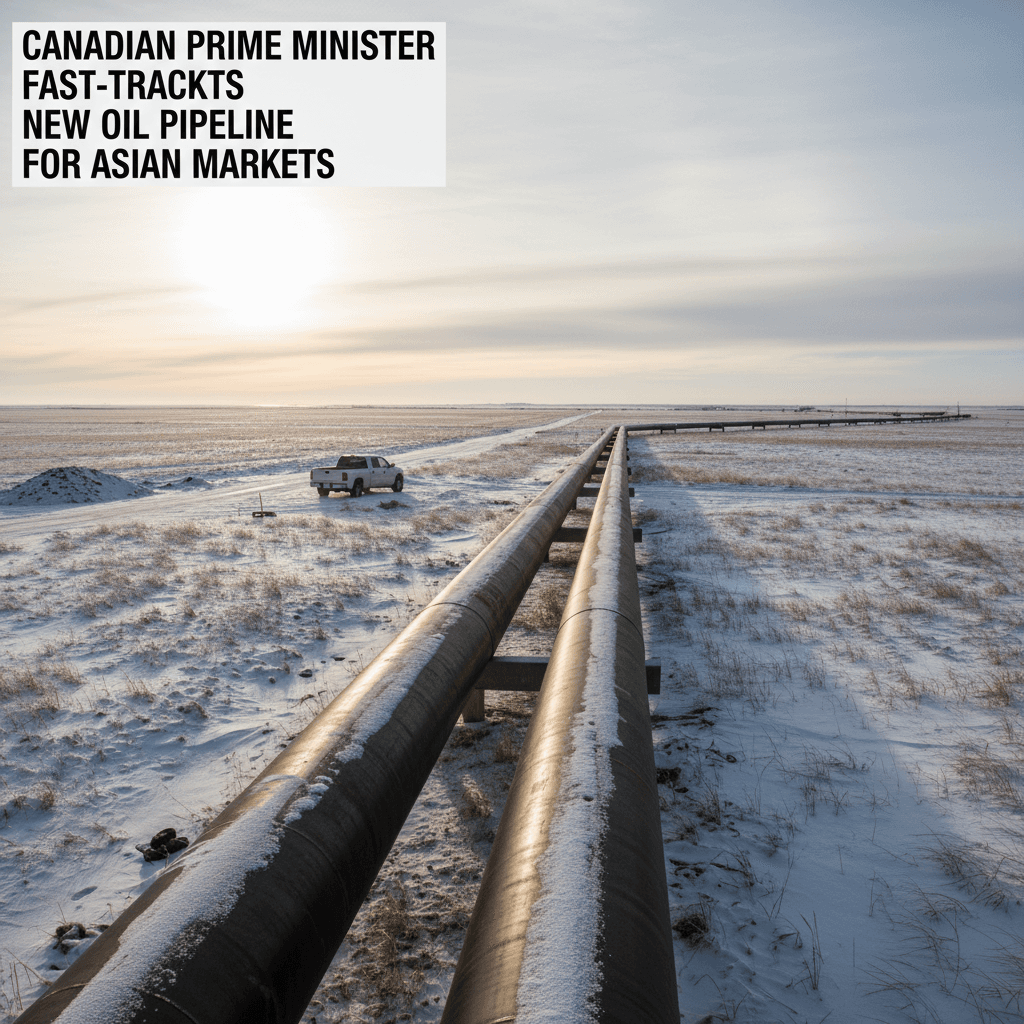
U.S. President Donald Trump has approved a major new pipeline project with potential future implications for Bakken crude oil takeaway capacity. On Thursday, Trump signed a presidential permit authorizing the Bridger Pipeline Expansion, a project dubbed "Keystone Light," according to a report from OilPrice.com.

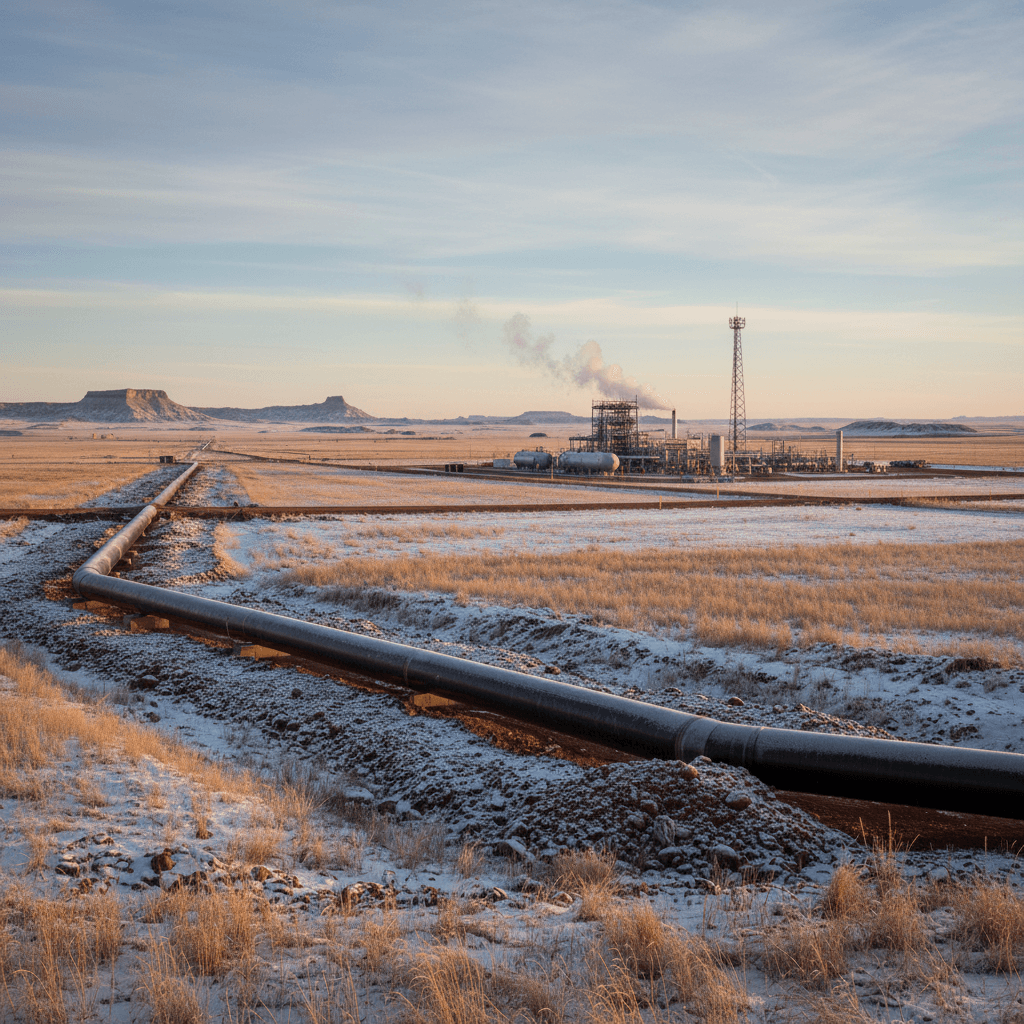
The 647-mile, 36-inch pipeline is proposed by Bridger Pipeline LLC, a subsidiary of True Companies. It would transport Canadian crude from the U.S.-Canada border in Phillips County, Montana, to Guernsey, Wyoming, at an estimated cost of $2 billion. Construction is expected to begin in 2027, targeting completion by late 2028 or early 2029.

While its primary stated purpose is to move up to 550,000 barrels per day (bpd) of Canadian crude, company maps and plans show the project includes potential tie-ins for North Dakota's Bakken shale oil field. The design provides access to a significant portion of Bridger's existing North Dakota gathering network.

"This optionality positions the project for potential future expansion beyond 550,000 bpd and creates the possibility of a new competitive egress option for Bakken shippers," Matthew Lewis, founder of Plainview Energy Analytics, told OilPrice.com. Analysts note that batching light crude oil could allow the line's capacity to eventually exceed 1 million bpd.

The project revives portions of the canceled Keystone XL route but largely avoids some historical flashpoints by not crossing Native American reservations, the report states. However, it is expected to face significant opposition from environmental groups, Indigenous communities, and landowners.

The Montana Environmental Information Center (MEIC) has raised concerns about spill risks and environmental impacts, specifically citing a 2015 incident where a Bridger Pipeline leak spilled over 30,000 gallons of oil into the Yellowstone River near Glendive, Montana, contaminating the city's water supply. Groups including WildEarth Guardians and Earthjustice have expressed similar concerns.

For Bakken operators and royalty owners, the approval represents a long-term prospect for additional pipeline capacity out of the region. The potential connection to Bridger's North Dakota network could offer a new route to market for shale oil produced in the Williston Basin, pending future expansion of the project beyond its initial Canadian-focused volume.

Source

OilPrice.com
pipelineinfrastructurebakkentakeaway capacitytrump administrationbridger pipelinenorth dakota

Share this article

Related Articles

Global Midstream Moves Highlight Strategic Shifts as Bakken Exports Compete - Bakken Wire
Pipeline & Infrastructure

Global Midstream Moves Highlight Strategic Shifts as Bakken Exports Compete

International midstream and refining developments reported this week highlight the complex global market in which Bakken crude competes for buyers and favorable transport routes. In Australia, Buru Energy said it plans to build a mini-refinery to supply the Kimberley region, according to Rigzone. The project is part of a new sales model for volumes from the Ungani field in the Canning Basin. While not directly related to North Dakota, such small-scale, localized refining projects represent a global trend toward securing regional fuel supply chains, a contrast to the Bakken's primary role as an exporter of light sweet crude to larger, distant refineries. Separately, the Dangote Group has offered East African countries a 30 percent equity stake in a giant refinery planned for the region, Rigzone reported, citing a Kenyan presidential adviser. The development of major new refining capacity in Africa could alter long-term crude flow patterns and competition for market...

☀️Morning Wire·Aug 22
Global Midstream News Highlights Refinery Plans, Shipping Risks - Bakken Wire
Pipeline & Infrastructure

Global Midstream News Highlights Refinery Plans, Shipping Risks

International midstream and refining developments reported Friday highlight the global context for North Dakota's oil exports, with new projects emerging and persistent shipping risks affecting crude flows. In Australia, Buru Energy said it plans to build a mini-refinery to supply the Kimberley region, according to Rigzone. The project is part of a new sales model for volumes from the Ungani field in the Canning Basin. While a small-scale project, it reflects a broader industry trend toward localized refining to capture value from stranded or marginal resources. Separately, the Dangote Group has offered East African countries a 30 percent equity stake in a giant refinery planned for the region, Rigzone reported, citing a Kenyan presidential adviser. This major infrastructure development aims to serve the East African market, potentially altering long-term refined product trade flows. Meanwhile, shipping disruptions continue to pose risks to global crude movements. Various tankers, including from the Sinokor...

🌅Afternoon Wire·Aug 21
Global Tensions Lift Oil Near $94; Mid-East Export Routes Shift - Bakken Wire
Pipeline & Infrastructure

Global Tensions Lift Oil Near $94; Mid-East Export Routes Shift

Global oil prices climbed to a one-month high near $94 per barrel this week as new U.S. threats against Iran raised fears of a prolonged conflict, according to Rigzone. The increase in geopolitical risk provides underlying support for Bakken crude prices, which are benchmarked against global markers. In response to security threats, Saudi Arabia is altering its crude export logistics. Shipowners, including Sinokor Group, are helping shuttle Saudi oil north to evade Houthi militants targeting exports via the Bab el Mandeb chokepoint in the southern Red Sea, Rigzone reported. This rerouting underscores ongoing volatility in key global shipping lanes that can affect crude flow and pricing. Meanwhile, Norway's natural gas production rose for a second consecutive month in July, with preliminary figures showing output of about 12.38 billion cubic feet per day, Rigzone reported. As a major supplier to Europe, sustained production from Norway helps balance global gas markets, indirectly...

🔆Midday Wire·Aug 21