Trump Approves New Enbridge Pipeline Project at ND-Canada Border
The presidential permit allows construction in Burke County, marking a step to increase cross-border oil flow as a separate legal fight over Dakota Access continues in Europe.
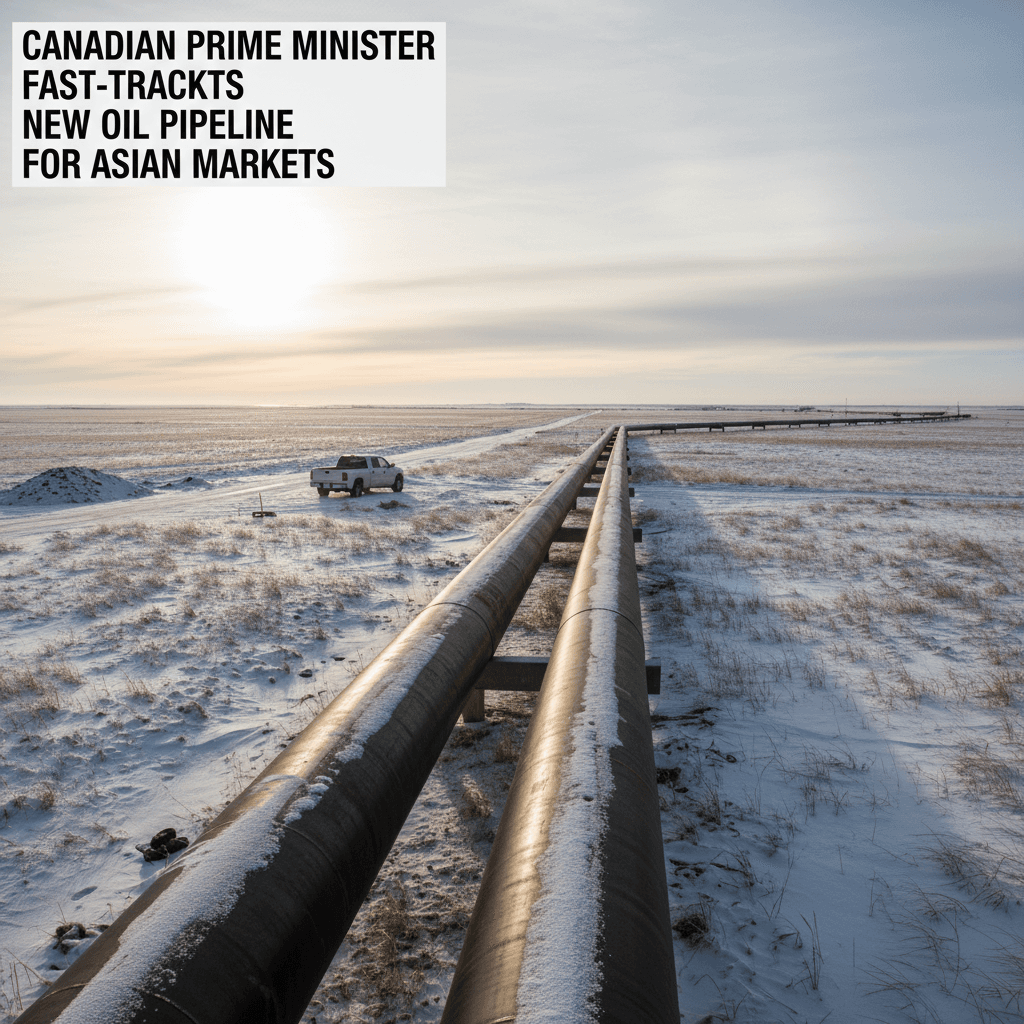
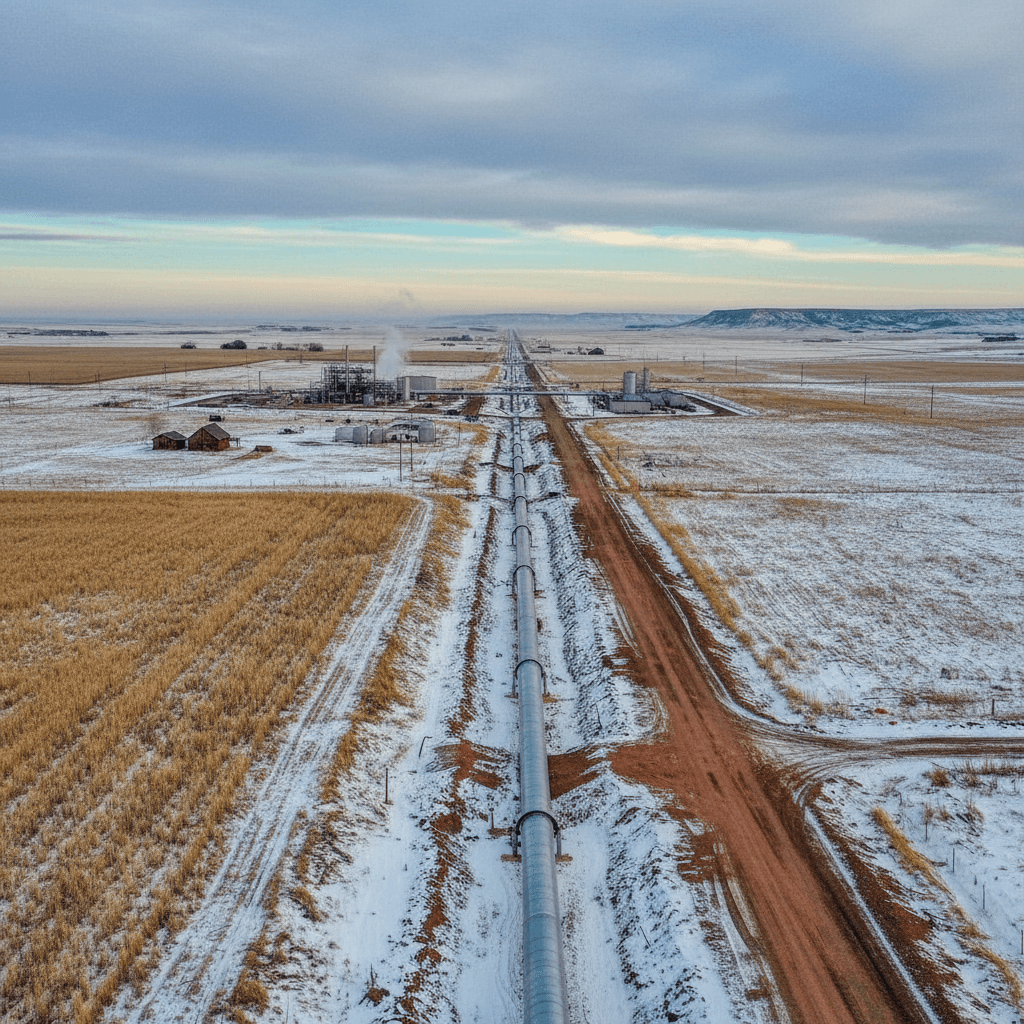
U.S. President Donald Trump has approved a new pipeline project at the North Dakota-Canada border, issuing a presidential permit to Bakken Pipeline Company LP for construction and operation of facilities in Burke County. The approval, reported on April 15, is a concrete step to enhance crude oil transportation between the two nations, according to source reports.
Bakken Pipeline Company is a limited partnership and subsidiary of Enbridge Inc. The permit allows for the construction, connection, operation, and maintenance of border facilities. Enbridge also received permits for the operation and maintenance of existing pipelines in Pembina County, North Dakota, and St. Clair County, Michigan, fortifying its cross-border infrastructure network.
The broader strategy aligns with Enbridge’s ongoing expansion plans. Last year, the company committed US$1.4 billion to its Mainline Optimization project, targeting an additional 150,000 barrels per day of capacity on its cross-Canada system, which feeds into the U.S. Midwest. Another 100,000 barrels per day will flow through the Flanagan South system to the U.S. Gulf Coast.
Looking ahead, Enbridge has outlined a potential second phase for the Mainline Optimization, which could add another 250,000 barrels per day by 2028 using the existing Dakota Access Pipeline from North Dakota to southern Illinois. This phased approach prioritizes expanding current capacity over building entirely new pipelines.
Collaboration with regional governments underscores the projects' strategic importance. In January, the Alberta government formed a working group with Enbridge to explore further pipeline capacity increases to the U.S. market. Enbridge’s network remains a critical artery for Canadian oilsands crude, with the Gulf Coast refineries as a key destination. The approved permits and planned expansions position the company to move an additional 500,000 barrels per day over the next few years.
Separately, a legal battle involving another key Bakken pipeline is playing out overseas. A trial between Greenpeace International and Energy Transfer began on April 16 in the Netherlands, where Greenpeace is based. Greenpeace is attempting to void a $345 million judgment against it from a 2025 North Dakota jury related to the Dakota Access Pipeline.
Greenpeace says the North Dakota trial was meant to silence critics, calling Energy Transfer’s lawsuit a Strategic Lawsuit Against Public Participation (SLAPP). The organization is trying to use European Union and Dutch anti-SLAPP legislation to stop the judgment. Energy Transfer has said in court filings that the North Dakota ruling was about defamation and illegal activities that caused financial damage, not silencing critics. A ruling in the Dutch case is expected in early June.
The new border permit for Enbridge signals continued infrastructure development aimed at moving more crude from the Williston Basin and Western Canada to market, while the ongoing litigation highlights the persistent legal and environmental challenges facing major pipeline operators.
Source
The Deep Dive (April 15, 2026), KFYR (April 16, 2026), Devdiscourse (April 15, 2026)