UAE Weighs Third Hormuz Bypass Pipeline, ADNOC Denies Report
A report that Abu Dhabi is considering another Fujairah crude line drew a denial from ADNOC, but the broader Gulf bypass trend still matters to Bakken oil flows and prices.
The United Arab Emirates is reportedly weighing a third crude export pipeline that would route oil outside the Strait of Hormuz, a move that could further reduce Gulf crude’s exposure to Iranian disruption and influence global supply risk.
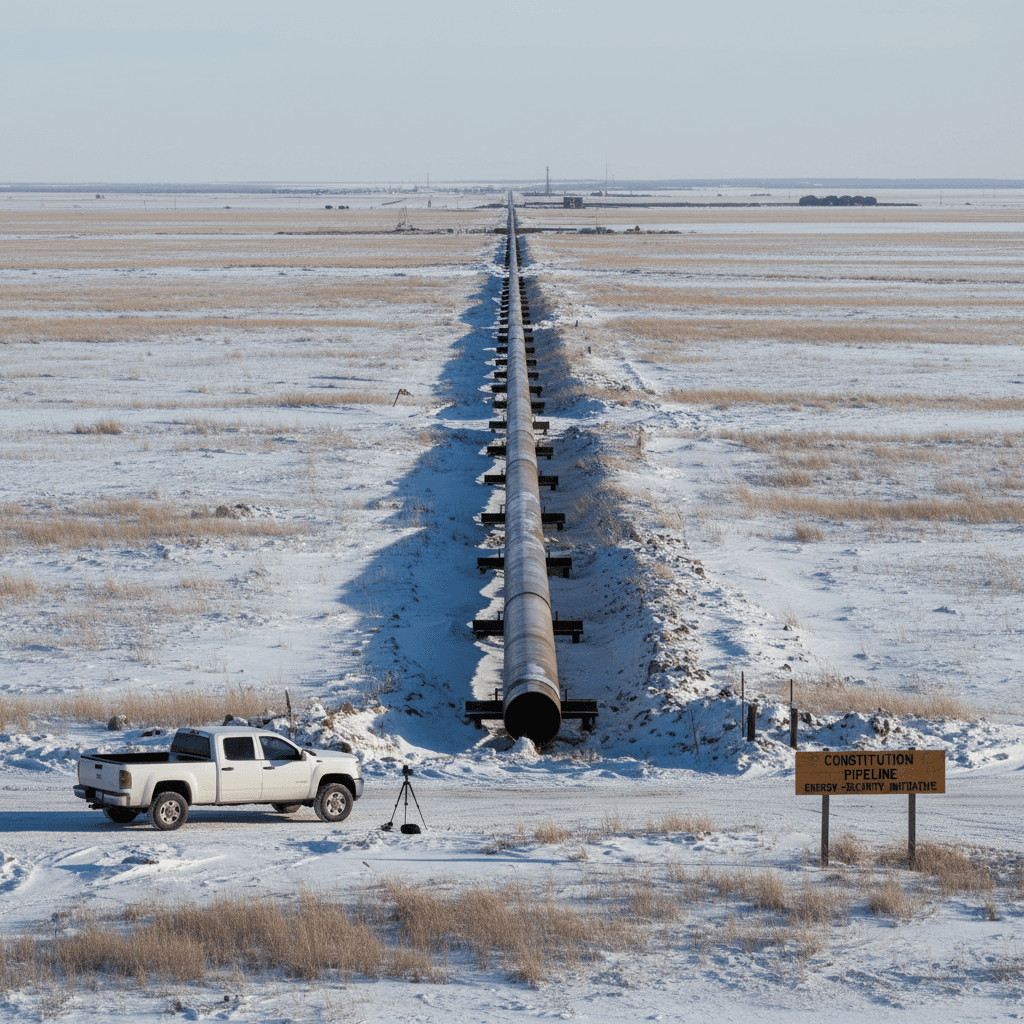
According to OilPrice.com, citing Bloomberg, Abu Dhabi National Oil Co. is considering a pipeline from the UAE’s western coast to Fujairah on its eastern coast that could supply Asian customers and bypass Hormuz. Rigzone reported that the UAE is considering a third oil-export pipeline to deliver crude outside the strait, according to people familiar with the matter.
The plans are not final. Bloomberg reported, as quoted by OilPrice.com, that ADNOC had told some Asian customers about the pipeline, but that the plans “haven’t been finalized and could still change, including the route.”
An ADNOC spokesperson rejected the report: “We have advised Bloomberg that this report is not accurate and purely speculative.”
For Bakken operators and royalty owners, the story matters because it concerns one of the world’s most important crude chokepoints. The Bakken formation is North Dakota’s primary oil-producing region, and Williston Basin producers are exposed to global oil prices, which can move with supply-route risk, export demand and geopolitical tension.
The UAE currently operates one crude export pipeline that bypasses Hormuz. That line has operated since 2012 and stretches 252 miles from Habshan in Abu Dhabi to Fujairah on the Gulf of Oman, OilPrice reported. Its capacity is 1.5 million barrels a day, expandable to 1.8 million barrels a day.
Earlier this year, the UAE announced the West-East Pipeline, which is expected to begin operations in 2027 and double export capacity through Fujairah, according to OilPrice. Fujairah sits outside the Hormuz chokepoint, allowing tankers to load crude without entering the Persian Gulf.
The Hormuz bypass trend is not limited to the UAE. OilPrice reported that Saudi Arabia has been expanding pipeline routes around Hormuz, while Kuwait is proposing new pipelines. Taken together, those projects could erode Iran’s leverage over Gulf flows, a dynamic that has also carried into U.S. politics, the report said.
The sources did not quantify how a third UAE pipeline would affect crude prices or export economics. But the report underscores that Gulf producers are continuing to develop routes that keep oil exports moving even if Hormuz faces disruption.
That broader picture is relevant to North Dakota because Bakken producers sell into a global crude market shaped by infrastructure, shipping lanes and geopolitical risk. Pipeline projects outside the basin can affect supply expectations, freight routes and the balance of crude available to international buyers.
ADNOC’s denial leaves the third pipeline in the realm of reported planning rather than confirmed project. Still, the UAE’s existing and announced bypass lines show how Gulf exporters are seeking to reduce dependence on Hormuz.
Source
OilPrice.com, citing Bloomberg and an ADNOC spokesperson; Rigzone