Ukraine Strikes Target Russian Oil Refineries, Could Tighten Global Supply
Continued attacks on Russia's refining capacity may support global oil prices, a key factor for Bakken producers.
Ukraine has continued a campaign of near-daily strikes on Russian oil assets, hitting its ninth refinery since the start of November, according to a report from Rigzone. The development, reported on November 13, 2026, marks a sustained effort to disrupt Russia's energy infrastructure.
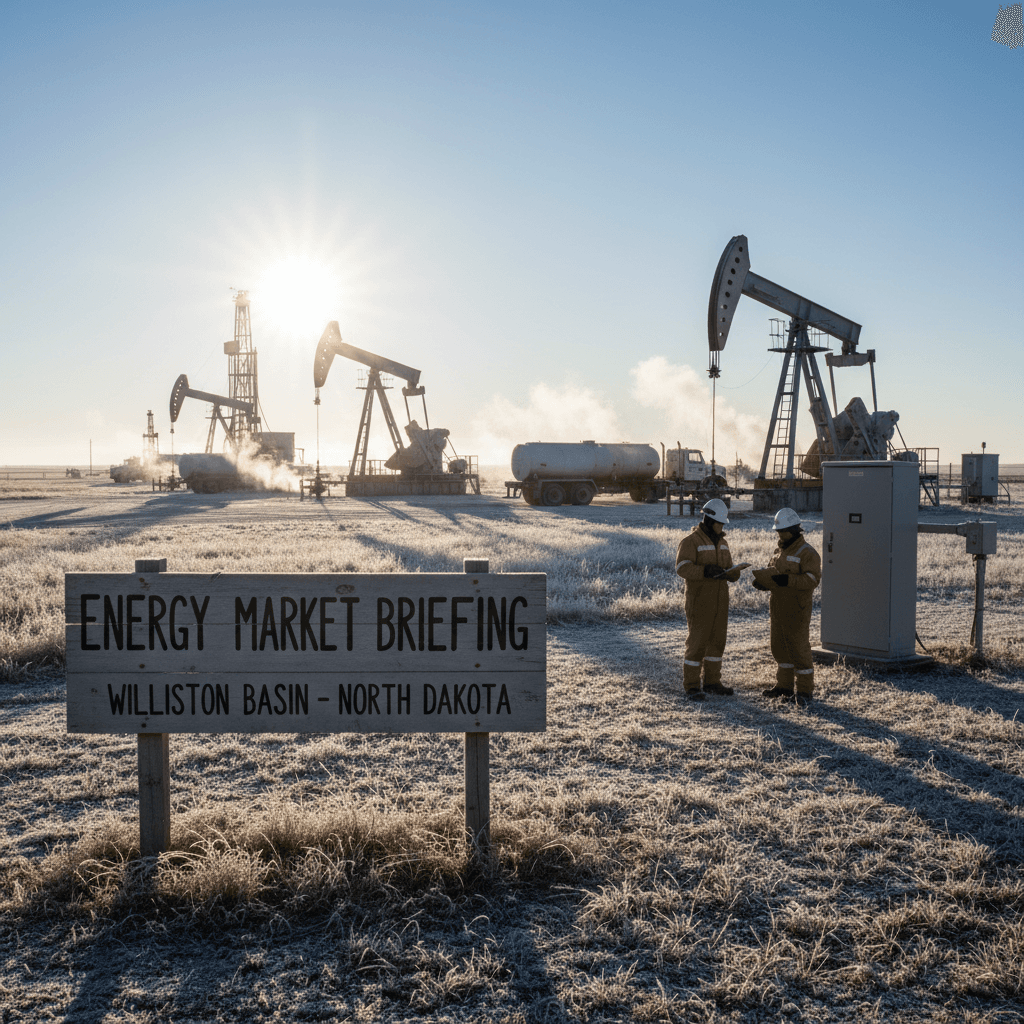
While the attacks are geographically distant, such events have the potential to tighten global refined product supplies and influence crude oil markets. The Bakken formation in North Dakota is a price-sensitive play, where operator economics are directly tied to the benchmark prices for crude, primarily West Texas Intermediate (WTI).
A sustained reduction in Russian refining output could provide underlying support for global oil prices. This is because reduced fuel production from a major exporter can increase demand for refined products from other regions, potentially drawing down global crude inventories. For Bakken operators, a stronger price environment improves cash flow and can support drilling and completion activity in the Williston Basin.
The situation also introduces volatility and geopolitical risk premiums into the market. Any significant escalation or expansion of the conflict that further threatens energy supplies typically leads to short-term price spikes. Bakken producers, who largely hedge their production, monitor such events for both near-term price impacts and longer-term market structure.
The direct impact on Bakken operations is filtered through the global market. North Dakota's oil production is primarily transported to refineries across the U.S., and its price is set in a competitive global arena. Therefore, events that alter the global supply-demand balance are closely watched by operators and royalty owners in the state.
Source
Rigzone