U.S. Ukraine Aid Advances as Russia's Oil Output Falls, Tightening Global Supply
Geopolitical tensions and supply disruptions create a volatile backdrop for Bakken crude pricing and energy security.
The U.S. House of Representatives voted on June 3 to advance a major military aid package for Ukraine, a move that could lead to strengthened sanctions on Russia and has immediate implications for global oil markets, according to OilPrice.com. The procedural vote passed 218-204, clearing the way for a final vote on the Ukraine Support Act on August 7. The bill, introduced by Representative Gregory Meeks (D-N.Y.), would provide $8 billion in military financing loans and impose additional sanctions on Russia.
Concurrently, Russia has publicly admitted its crude oil production has declined since the start of 2026, the first such acknowledgement from Moscow. Russia's Deputy Prime Minister Alexander Novak cited unscheduled repairs and maintenance at a number of refineries as the cause, according to a separate OilPrice.com report. Industry analysts view this as a direct result of intensified Ukrainian drone strikes on Russian refining and export infrastructure.
These dual developments signal heightened geopolitical risk and tightening physical supply in the global oil complex. For Bakken producers, this environment underpins global benchmark prices and can enhance the competitiveness of secure, non-OPEC+ supply from North Dakota. However, it also introduces volatility, as markets react to the evolving conflict and potential new U.S. sanctions.
The Ukrainian campaign has significantly impacted Russian energy infrastructure. In addition to refinery strikes, Ukraine has targeted Baltic and Black Sea export terminals. In response, Russia has moved to boost crude exports but has also imposed bans on gasoline and jet fuel exports to safeguard domestic supply, with the latest jet fuel ban extending through November 30, 2026.
"Currently, Russia’s oil production is indeed lower compared to the beginning of 2026," Novak stated on June 4. He added that Russia is "maximizing the use of the export infrastructure."
The advancing U.S. legislation frames support for Ukraine as a critical test. “This vote is not a process vote, it's a statement on whether this Congress and all of its members stand with and support Ukraine," said Representative Meeks. Republican supporter Don Bacon of Nebraska called it a "Churchill moment."
Separately, ongoing instability in other oil-producing regions was highlighted by a Rigzone report that energy firms being courted by Venezuela are being told to supply their own power plants for operations. This underscores the challenging investment climate in some OPEC nations, contrasting with the stable operating environment in the Bakken.
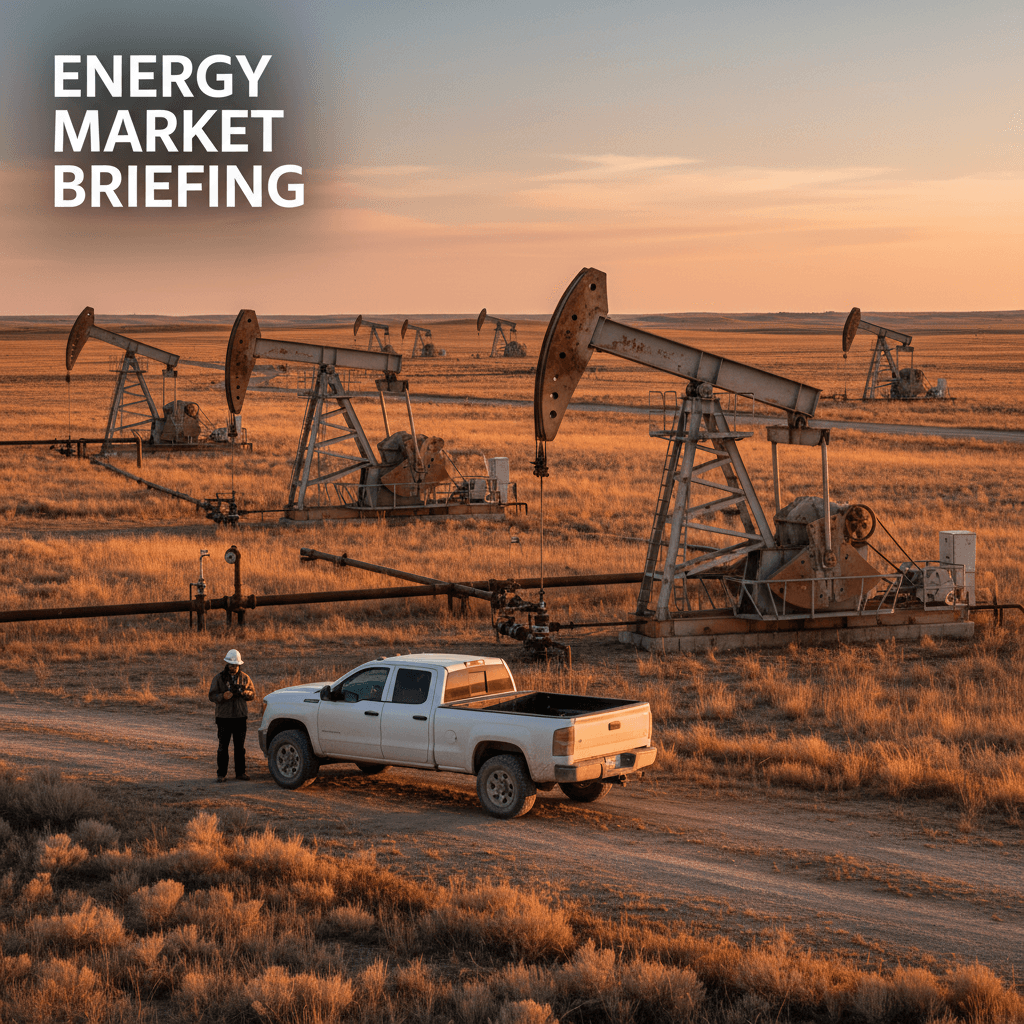
For North Dakota, sustained global supply disruptions and geopolitical tensions generally support a firmer price floor for Williston Basin crude. However, operators remain exposed to the price volatility that accompanies such news-driven markets. The situation reinforces the strategic importance of U.S. energy production from stable jurisdictions like the Bakken formation.
Source
OilPrice.com (U.S. Lawmakers Push New Ukraine Aid and Russia Sanctions; Russia Admits Oil Output Is Falling as Ukrainian Drone Strikes Hits Refineries), Rigzone (Venezuela Wants Oil Firms to Supply Their Own Power)