U.S. Won't Renew Russian, Iranian Oil Waivers, Bessent Says
Policy stance could tighten global supply, providing potential price support for Bakken crude.
Treasury Secretary Scott Bessent reaffirmed that the United States will not renew general licenses allowing for the temporary sale of certain Russian and Iranian crude, according to a report from Rigzone. The announcement, made on April 16, signals a continued strict enforcement of sanctions on two major oil-producing nations.
This policy stance removes a source of global supply and could contribute to a tighter international market. For Bakken operators in North Dakota, a reduction in competing global supply is typically a supportive factor for the price of the light sweet crude produced in the region. Higher realized prices directly improve cash flows for drillers and royalty owners across the Williston Basin.
Meanwhile, the global oil market appeared to be stabilizing, Rigzone reported separately on April 15. Prices held steady as draws from U.S. inventories offset ongoing geopolitical uncertainty in the Middle East. This balance between tangible supply data and diplomatic tensions creates a mixed but stable backdrop for Bakken exports.
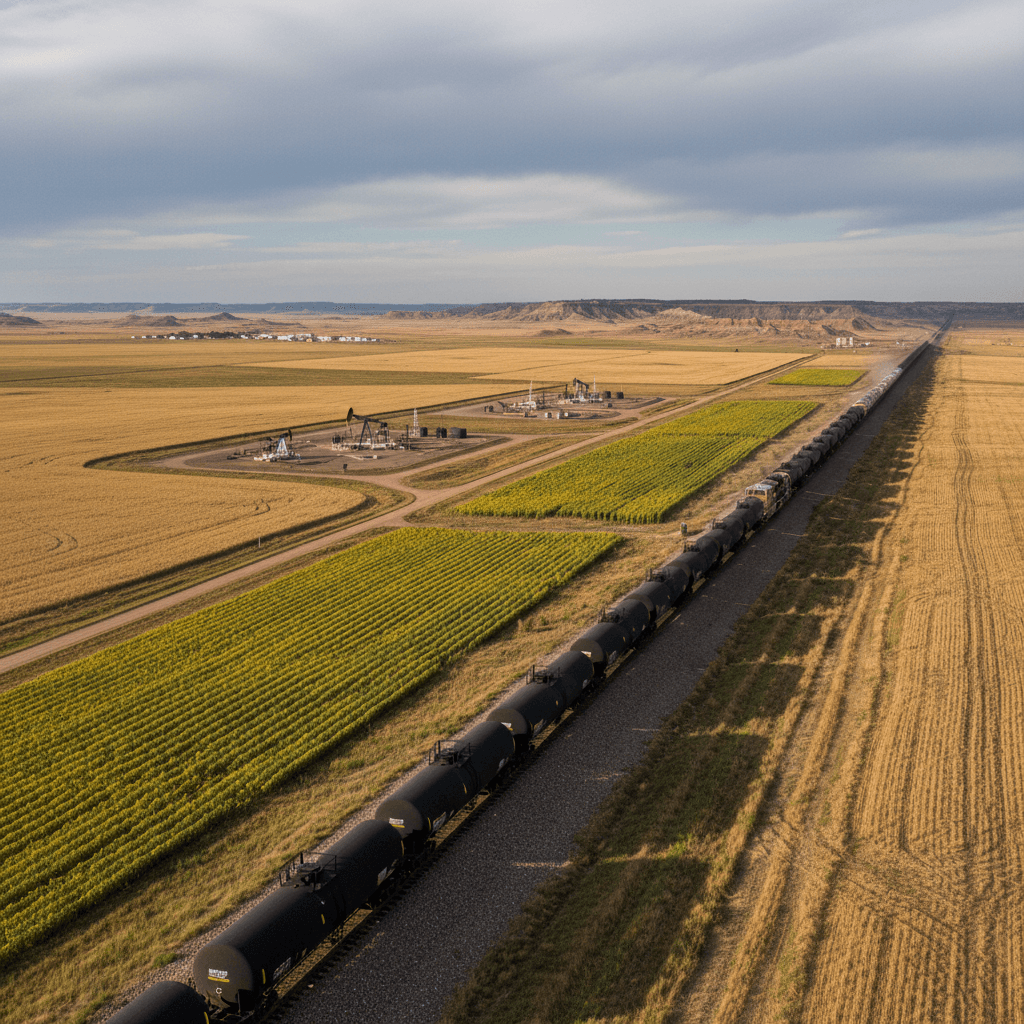
The combined developments underscore the Bakken's position in a globally connected market. North Dakota's oil production, which flows largely to coastal refineries and export terminals, is priced against international benchmarks. Decisions that affect global supply, like the U.S. sanctions policy, directly influence the economics of drilling and completion activity in the state.
The Biden administration's consistent stance on sanctions, now reiterated by Secretary Bessent, suggests a continued focus on limiting the revenue streams of sanctioned regimes. For the Bakken industry, the primary impact will be felt through the resulting price for West Texas Intermediate (WTI) and Bakken crude at the wellhead, which remains sensitive to shifts in global supply and demand.
Source
Rigzone

