Alberta Advances Plan for 1 Million BPD West Coast Oil Pipeline
The proposed corridor aims to diversify Canadian exports, potentially impacting Bakken crude competition in global markets.
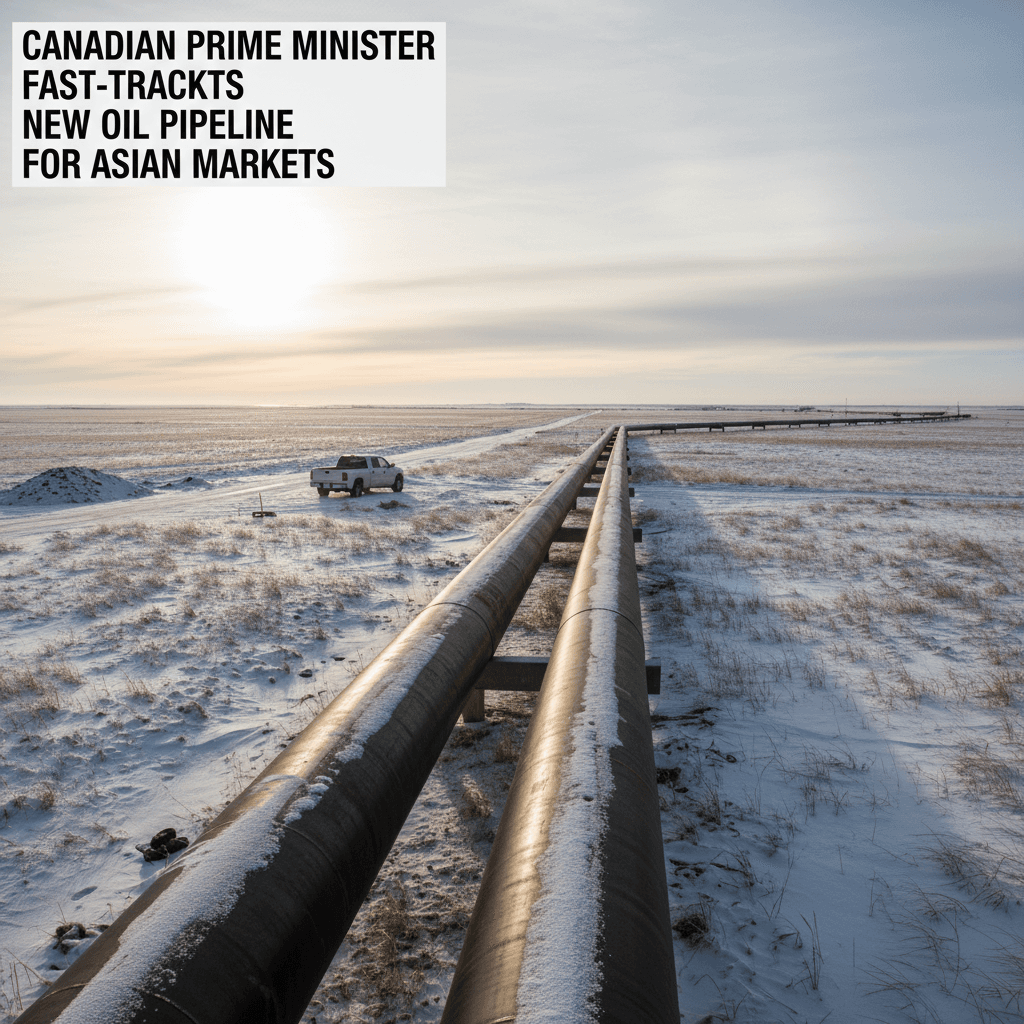
Alberta is moving forward with plans for a new 1 million-barrel-per-day oil pipeline to Canada's Pacific coast, a project that could reshape North American crude flows and export competition for Bakken producers. According to OilPrice.com, Alberta's government is likely to propose a "general corridor" rather than a specific route for the West Coast Oil Pipeline to the northwestern coast near Prince Rupert.
The exact route will be determined after consultations with Indigenous communities and British Columbia's provincial authorities, Alberta’s Minister of Indigenous Relations, Rajan Sawhney, told Bloomberg. The province targets submitting the project to the federal Major Projects Office by July for designation as a project of national interest, with a goal of securing that designation by October 1, 2026.
This push for a new export artery comes after a carbon pricing deal was reached last month between the federal government and Alberta, potentially moving the long-debated pipeline toward construction. The project has received federal support partly due to a major geopolitical and trade shift, OilPrice.com reported. Facing tariffs and threats of additional tariffs from the Trump Administration, Canada is seeking to diversify its trade away from the United States.
Currently, over 95% of all Canadian oil exports go to the U.S. The federal government under Mark Carney wants to make Canada an "energy superpower" by moving more Alberta crude via tankers to Asia, the world's most important oil-consuming region.
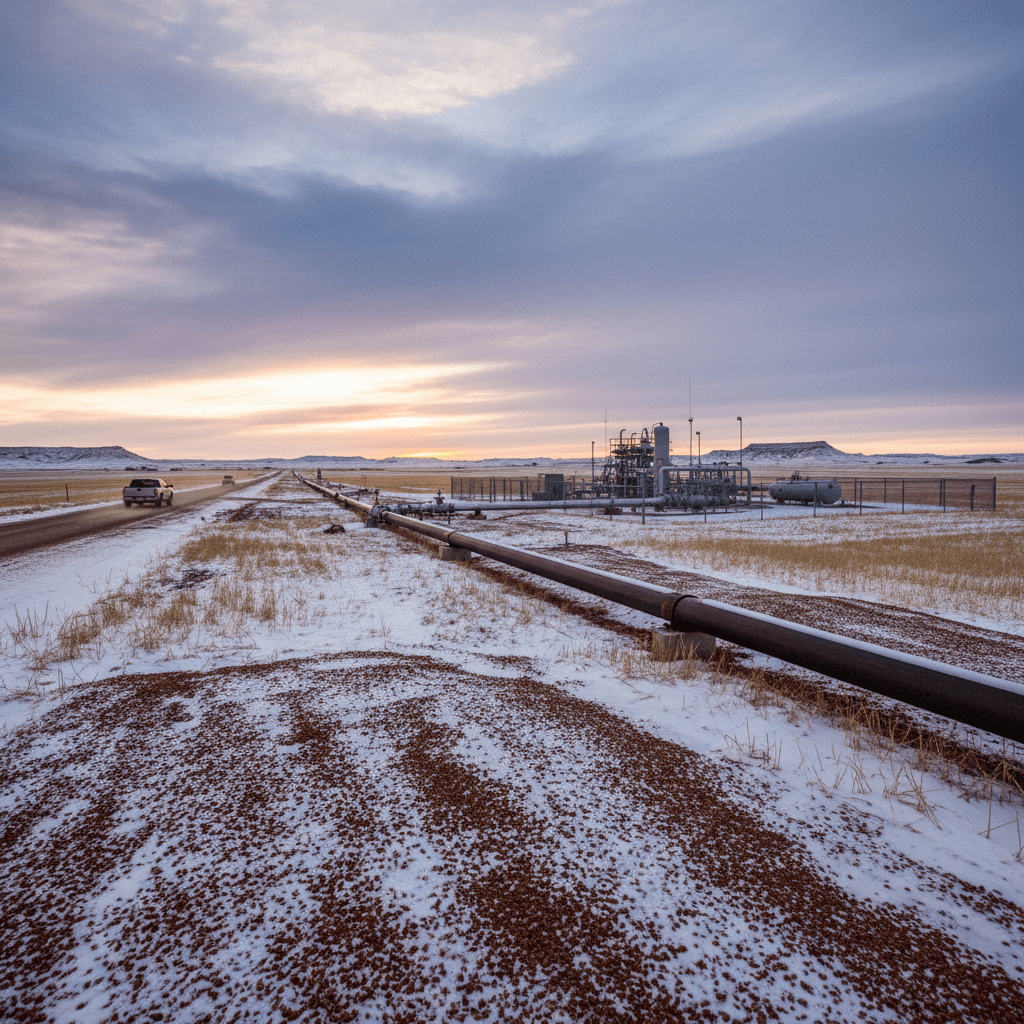
For Bakken operators and North Dakota royalty owners, the advancement of this pipeline carries significant competitive implications. Increased Canadian crude exports to Asia would directly compete with Bakken crude in global markets. Furthermore, if more Canadian oil is diverted from its traditional flow into the U.S. Midwest and Gulf Coast, it could alter pipeline and refinery dynamics that also handle Bakken production.
The project still faces stiff opposition from environmental campaigners and British Columbia communities, and its timeline remains long-term. However, its progress underscores a strategic pivot by Canada to reduce its dependence on the U.S. market. This shift could create both challenges and opportunities for the Bakken, which has also relied heavily on U.S. refining and pipeline infrastructure.
The focus on a "general corridor" at this stage indicates the early, yet politically charged, phase of development. The outcome will be closely watched by Bakken stakeholders, as it represents a major potential change in the continental oil trade landscape.
Source
OilPrice.com