Bakken Crude Premium, Iran Risks, and Electrification Trends Shape Energy Outlook
North Dakota's oil revenue surged in May amid global price volatility and shifting demand forecasts.
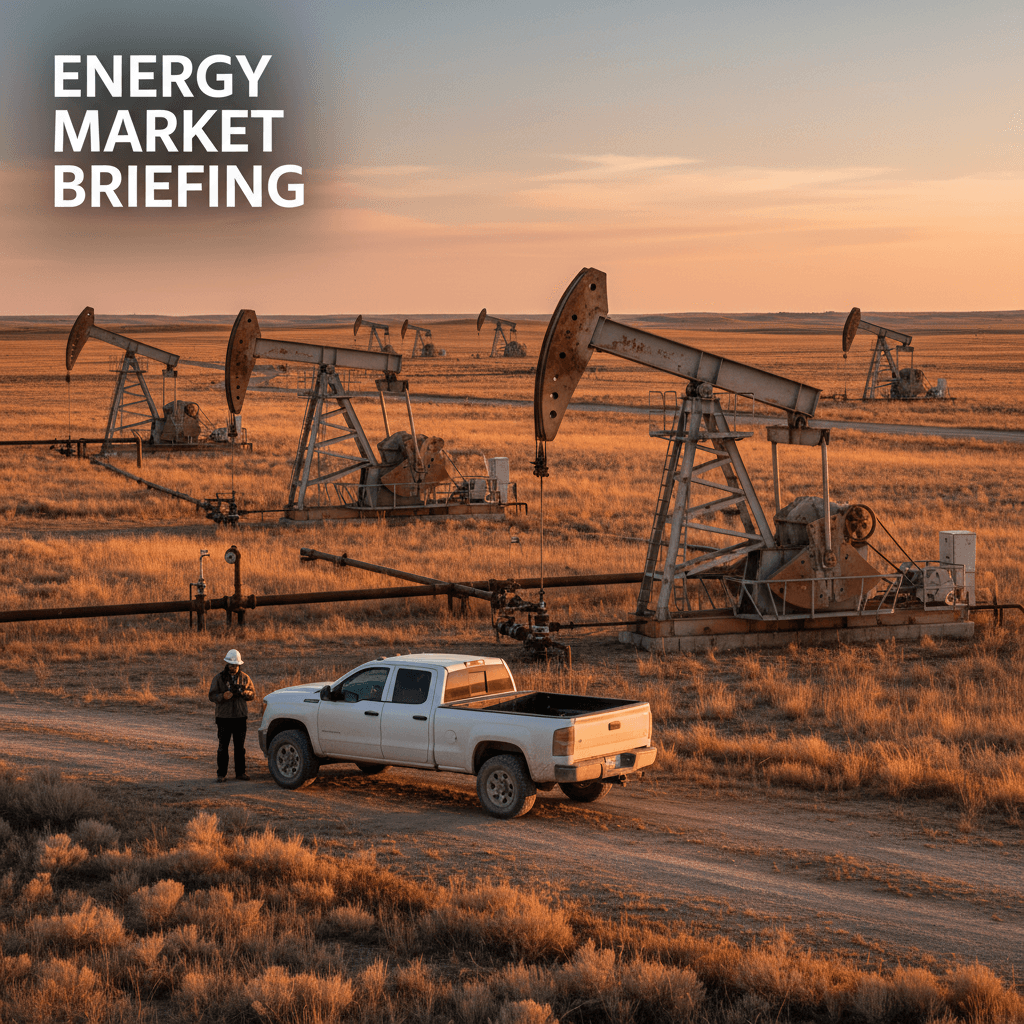
North Dakota's oil tax revenue received an estimated $29 million boost in May due to a rare pricing advantage for the state's crude, according to a summary from Bing News. This event, which reportedly hadn't occurred in decades, was highlighted by Justin Kringstad, director of the North Dakota Pipeline Authority.
Globally, geopolitical tensions are introducing new risks to oil markets. Analysts at Rystad Energy have mapped four potential conflict scenarios between the U.S. and Iran to assess their impact on oil prices, Rigzone reported on July 24. Such analyses are critical for Bakken operators as heightened tensions can lead to significant price volatility, affecting drilling economics and revenue projections in the Williston Basin.
Meanwhile, long-term energy demand narratives are evolving. A commentary from OilPrice.com on July 24 notes that U.S. electricity demand, after being flat for two decades, has begun increasing at a rate of around 3% per year. This growth is attributed to power demands from artificial intelligence (AI) data centers and electric vehicles (EVs). The report states this has made electricity generation companies "some of the trendiest stocks over the last couple of years."
The OilPrice.com analysis further suggests that meeting this rising demand requires significant investment in electricity generation and transfer infrastructure. While stocks in that sector have posted big gains, many have recently pulled back from their highs, raising questions about future investment opportunities tied to electrification forecasts.
For Bakken producers, these divergent trends create a complex landscape. Near-term price support can come from geopolitical shocks, as analyzed by Rystad, while the state's crude quality can occasionally command rare premiums. Concurrently, the steady push toward electrification, underscored by AI and EV growth, represents a long-term structural shift in the energy mix that could influence future investment and planning in the hydrocarbon sector.
Source
Bing News, Rigzone, OilPrice.com