Bakken Crude Price Rises Amid Global Volatility; Drilling Steady
State officials say Iran war creates price surge for light sweet crude, but drilling budgets are locked for 2026, focusing activity on well optimization.
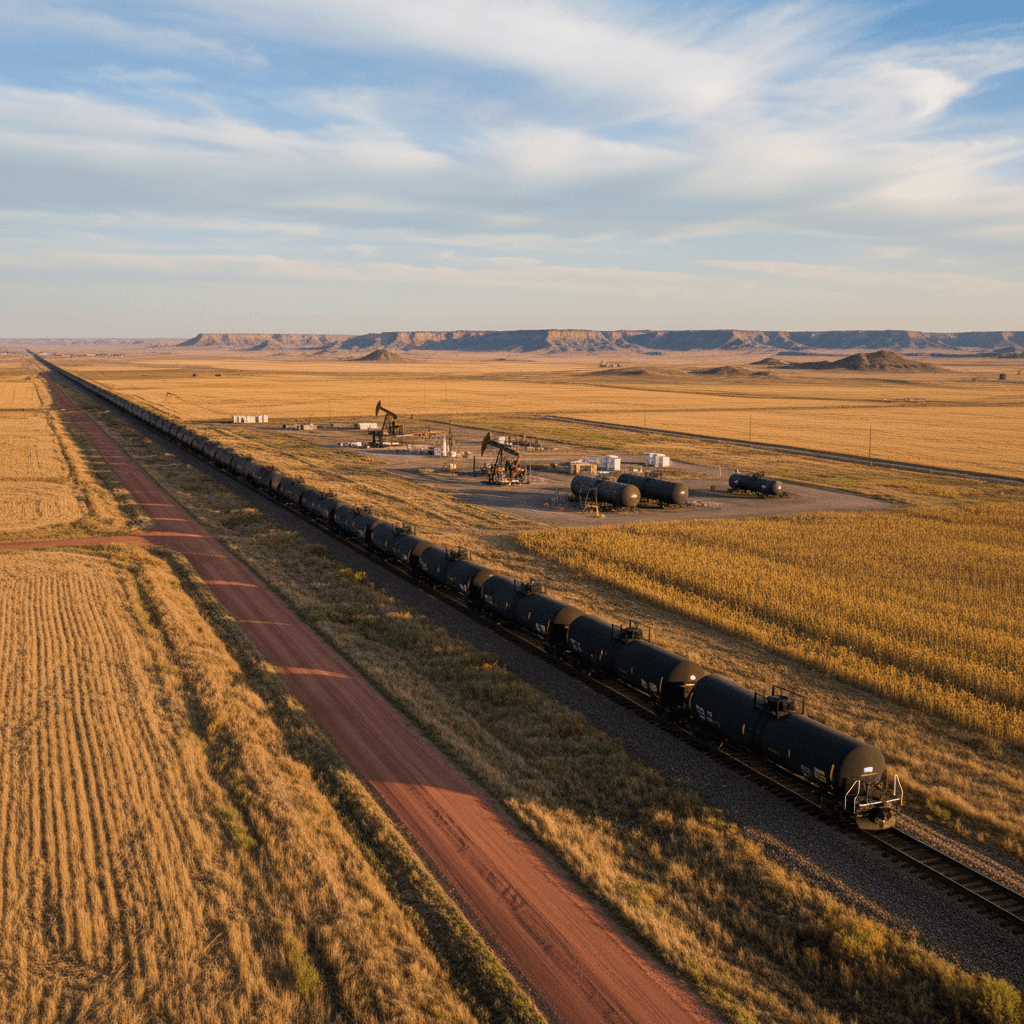
North Dakota crude oil shipped on the Dakota Access Pipeline is currently fetching nearly $7 more per barrel than a key U.S. benchmark price due to global market volatility from the Iran war, according to state regulators. Officials from the North Dakota Department of Mineral Resources and the North Dakota Pipeline Authority provided the update during a monthly briefing on April 21, 2026.
The reason for the premium for North Dakota's light, sweet crude is not entirely clear, but one possibility is its suitability for refining into products like jet fuel and diesel, which are in high demand in Europe amid the supply disruption. Justin Kringstad, director of the North Dakota Pipeline Authority, stated that royalty owners, producers, and the state all share in the price uplift, though how much value filters back to North Dakota will become clearer in the coming months.
The global oil market has been thrown into chaos by the war and the closure of the Strait of Hormuz, a maritime chokepoint for a fifth of the world's oil production. "Boy, this is largely dominated by the word volatility. That’s the way I would describe pricing over the last 50 days," said Nathan Anderson, director of the Department of Mineral Resources. "But over the last seven days, I think we’ve had almost a $20 swing in price."
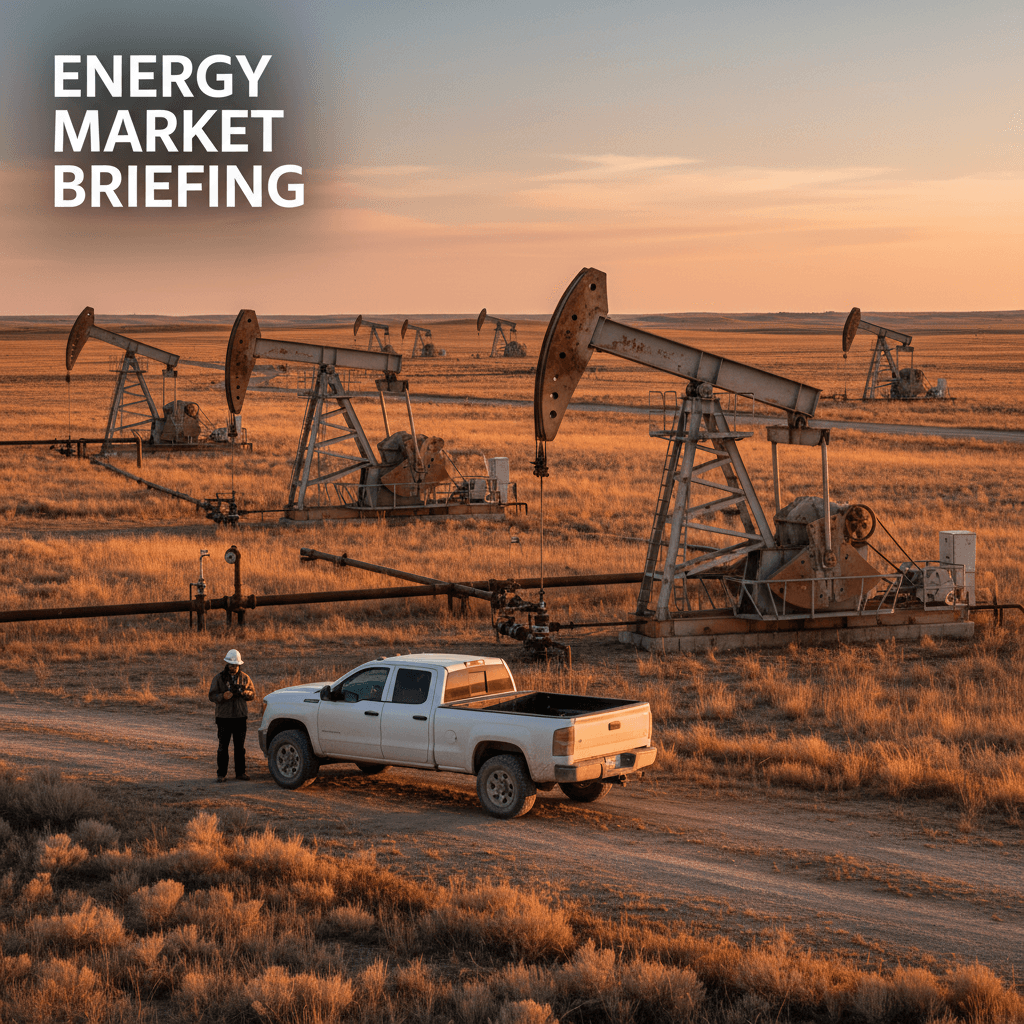
Despite high prices, a significant drilling surge in the Bakken is not expected in 2026. Anderson said publicly-traded companies finalized their capital budgets before the conflict and are unlikely to increase activity until 2027. Privately-owned operators have more flexibility and could potentially add drilling if prices justify it. Currently, there are 26 active drilling rigs in the state, with companies indicating plans to add only one or two more.
Instead, operators are focusing on optimizing existing wells. The number of rigs performing maintenance work has increased from 110 to 125 since last month. In February, the total number of producing oil wells rose by 171 month-over-month, with most being reactivated to boost existing production, according to the April 21 briefing.
The full impact of the war on state production and tax revenue remains unclear, as official data lags by two months. The most recent data is from February, just before the conflict began on February 28. Production that month was 1.129 million barrels per day, slightly below the state's budget forecast of 1.15 million barrels per day.
The supply disruption is reshaping global fuel trade. According to an April 24 report from OilPrice.com, India is pushing refiners to boost output of liquefied petroleum gas (LPG), its main cooking fuel, after the Strait of Hormuz blockage crippled imports. Indian refiners have secured a record volume of U.S. LPG for May, totaling 650,000 tons. This international demand for specific refined products may be contributing to the premium for Bakken crude.
Source
North Dakota Monitor (April 21, 2026), The Dickinson Press (April 21, 2026), OilPrice.com (April 24, 2026)