Bakken Operators Tighten Capital Plans as WTI Slides Below $83
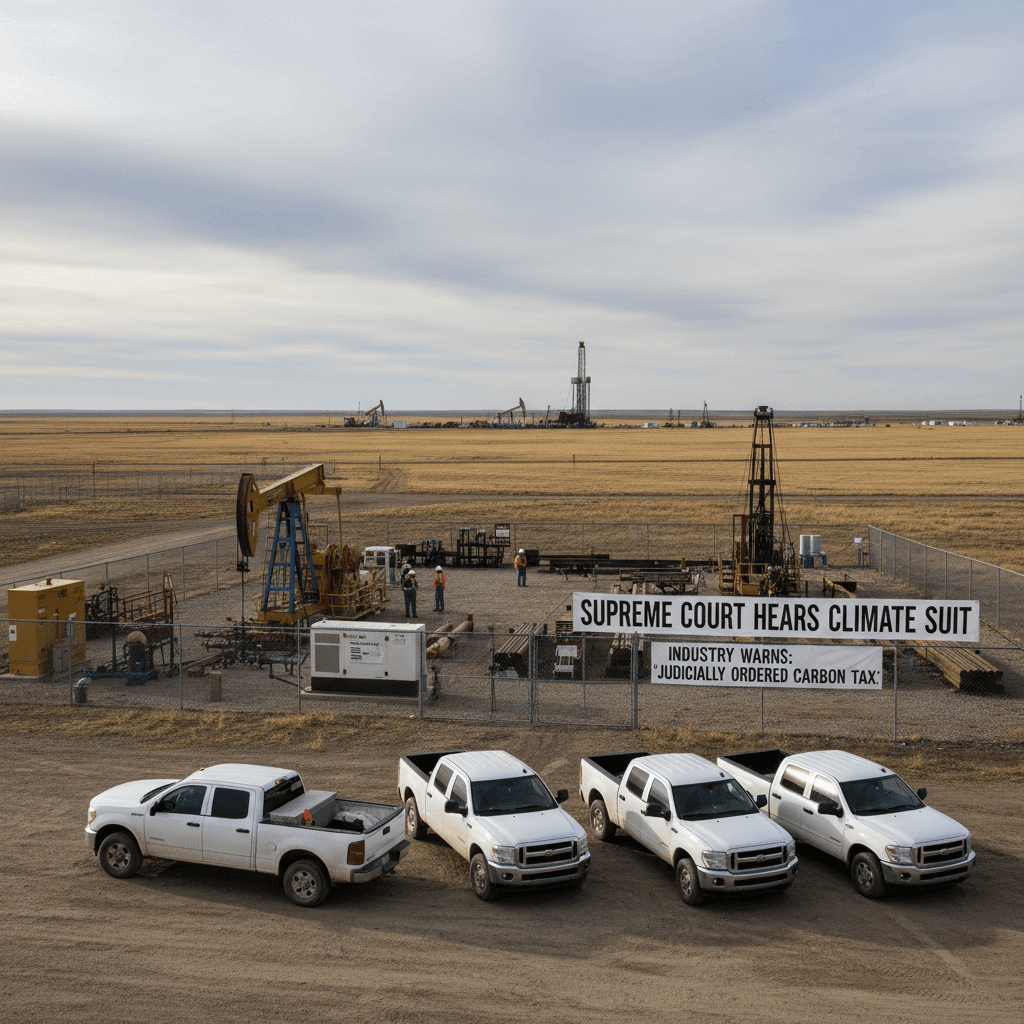
Active rig count holds at 22 as major producers focus spending on core acreage amid volatile pricing.
Major Bakken operators are expected to maintain disciplined capital allocation focused on core inventory and shareholder returns, as West Texas Intermediate crude prices fell sharply to $82.59 on Sunday. According to live Bakken data, the price represents a drop of $8.58, while Brent crude traded at $90.38. The active rig count in North Dakota remained steady at 22.
The significant daily drop in WTI, widening its discount to Brent, reinforces a conservative budgeting environment that has defined the shale sector in recent years. Operators typically set annual budgets based on a range of price expectations, and sustained volatility can lead to deferred activity or a sharper focus on only the highest-return wells.
In this price environment, capital is likely to be concentrated on multi-well pads in the highest-producing core areas of the Bakken, such as Dunn, McKenzie, Mountrail, and Williams counties. This strategy maximizes efficiency and lowers the breakeven cost per barrel, protecting margins when prices fluctuate. Spending on exploration or less-proven acreage is typically the first to be pared back.
The steady rig count of 22 suggests that current activity is aligned with previously announced capital plans from public operators, which emphasized moderate production growth and free cash flow generation. Companies are expected to continue prioritizing debt reduction, dividend payments, and share buybacks over aggressive production increases.
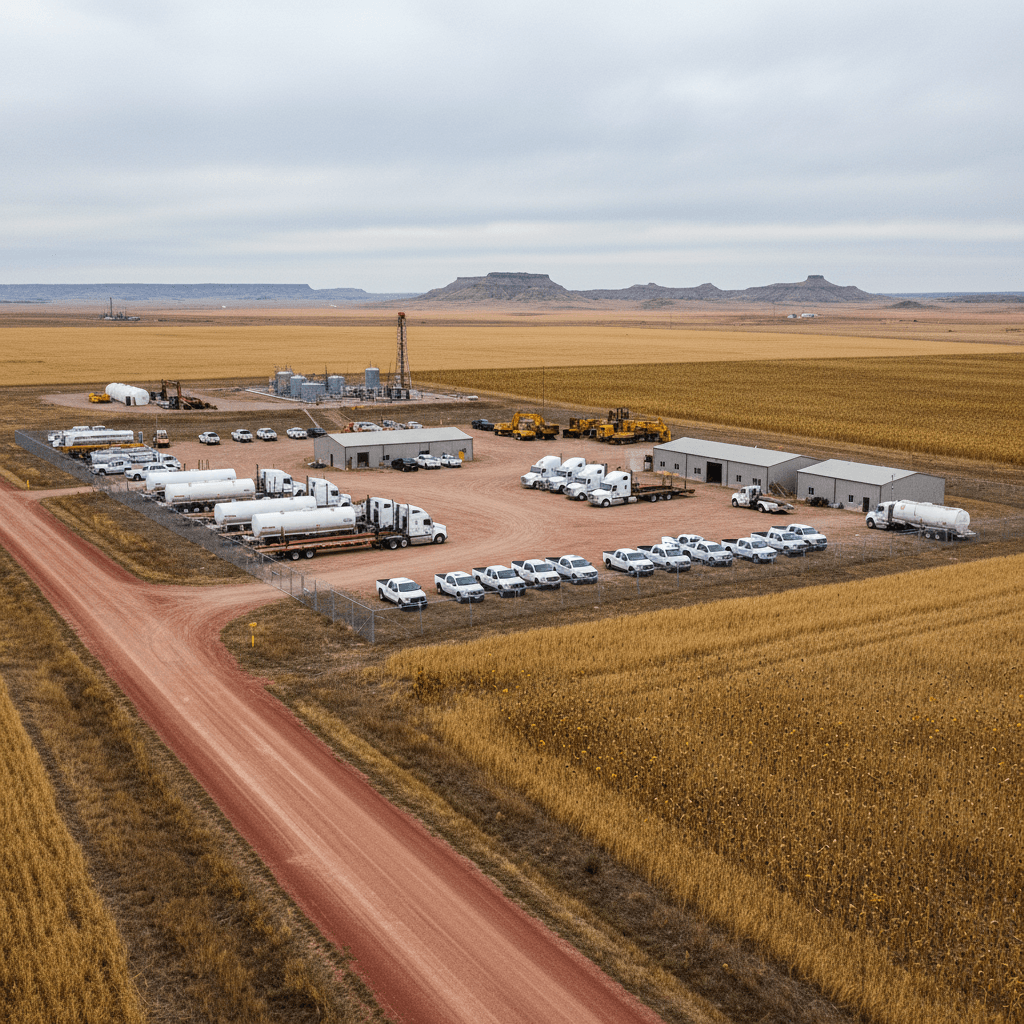
For royalty owners and service companies in the basin, the capital discipline of major operators translates into stable, but not booming, activity levels. Service sector pricing and utilization often correlate with rig count, which has hovered in the low 20s for an extended period, indicating a mature phase of development focused on optimization.
The nearly $9 discount of WTI to Brent crude also has implications for Bakken economics, as most Bakken crude is priced relative to WTI at the Clearbrook, Minnesota, and Guernsey, Wyoming, hubs. A wider differential can compress wellhead revenues, further incentivizing cost control.
Overall, the capital allocation strategy for Bakken operators remains one of measured response. Unless a sustained higher price deck materializes, spending and activity are forecast to remain within a narrow band, ensuring the basin's output remains steady but not a primary driver of global supply growth.
Source
Live Bakken Data for April 19, 2026