Bakken Rig Count Holds at 20 as Oil Prices Climb Above $90
Despite favorable crude prices, North Dakota drilling activity remains near historic lows, suggesting flat near-term production.
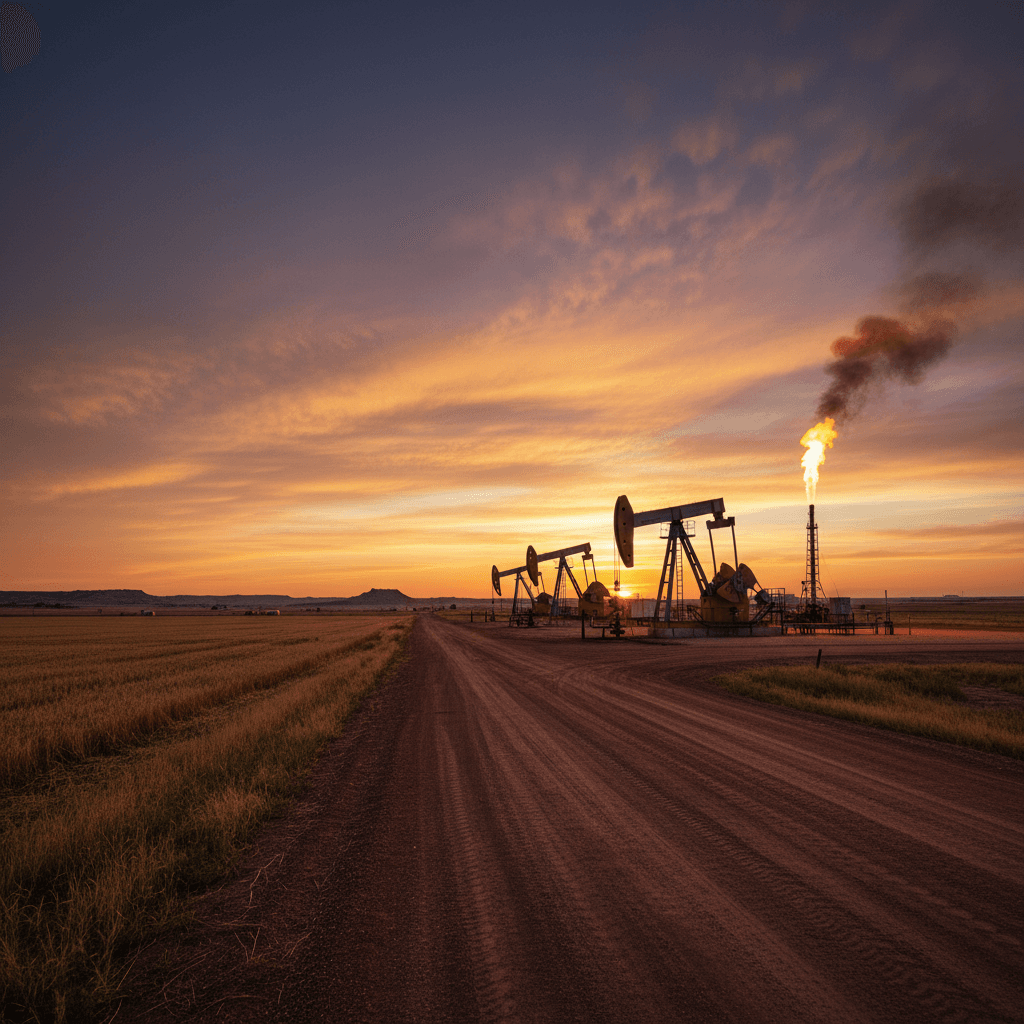
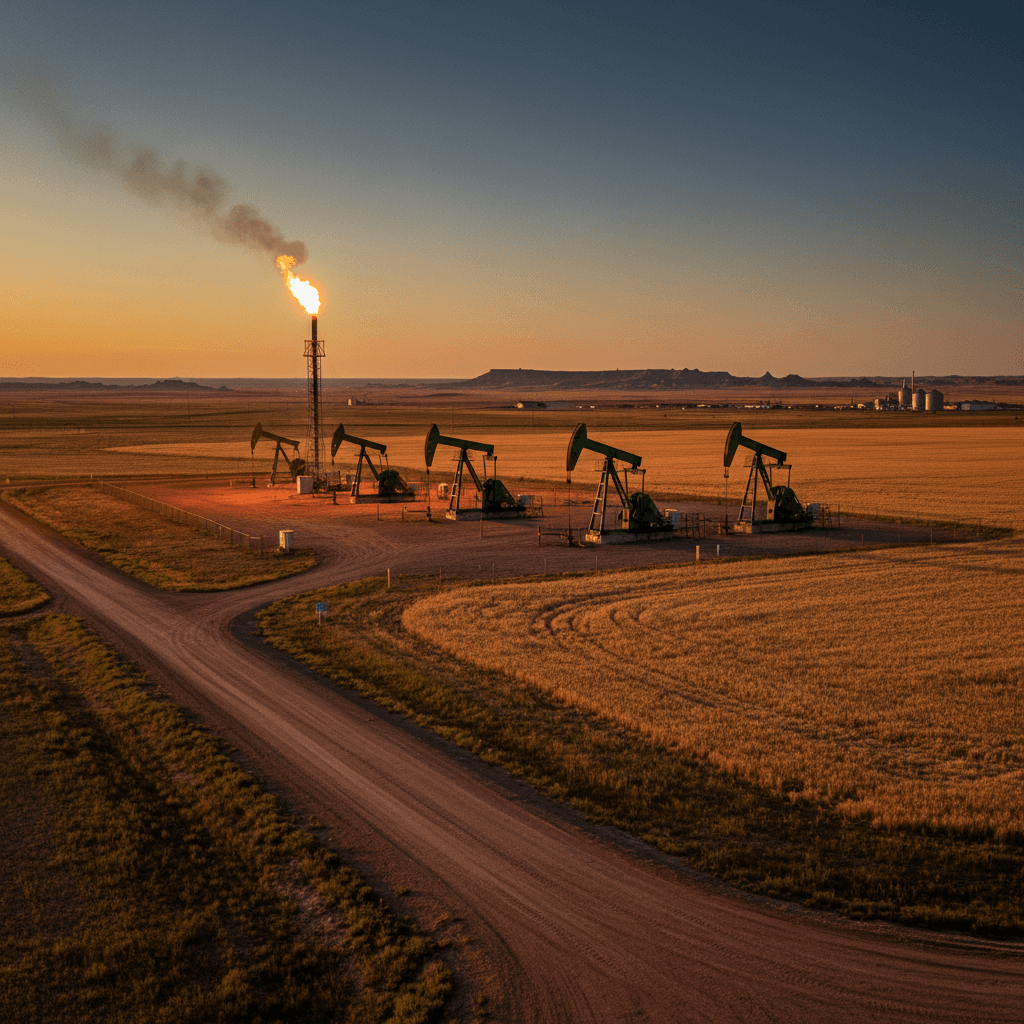
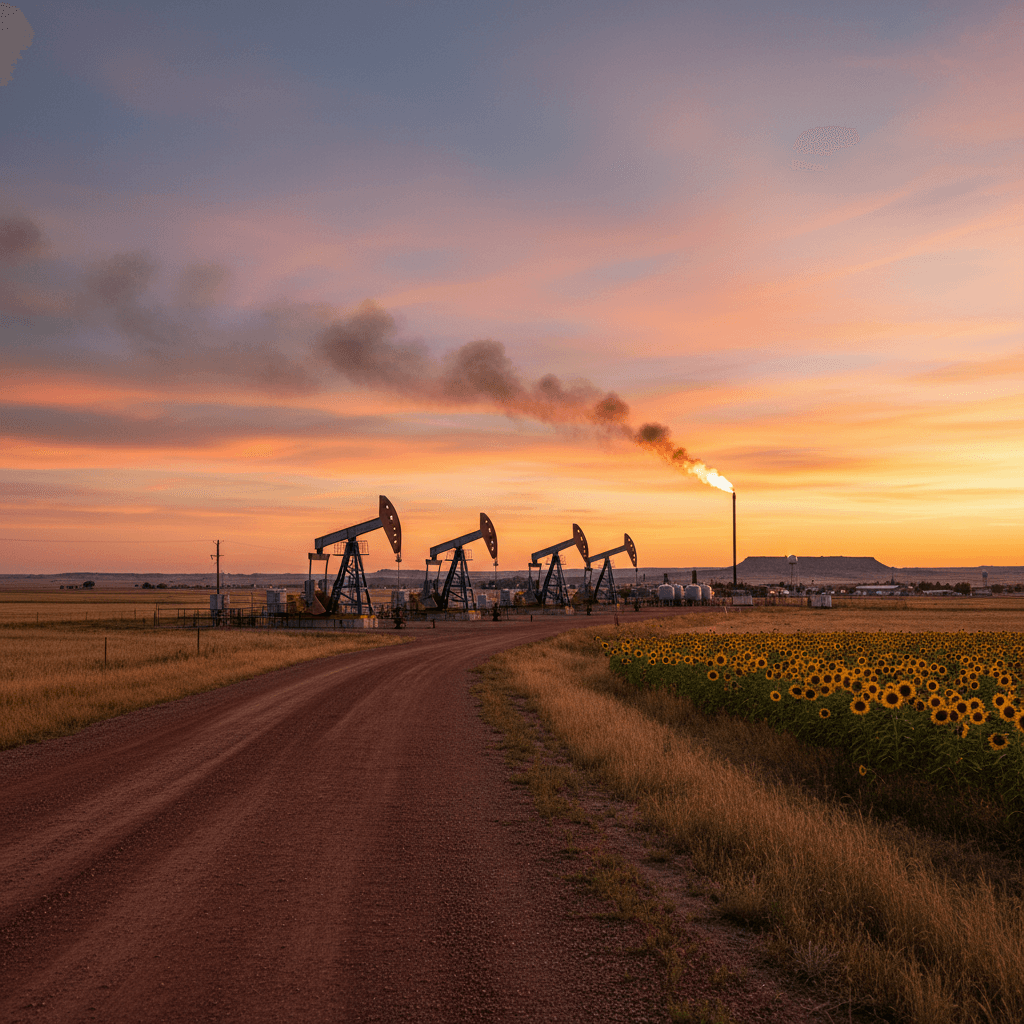
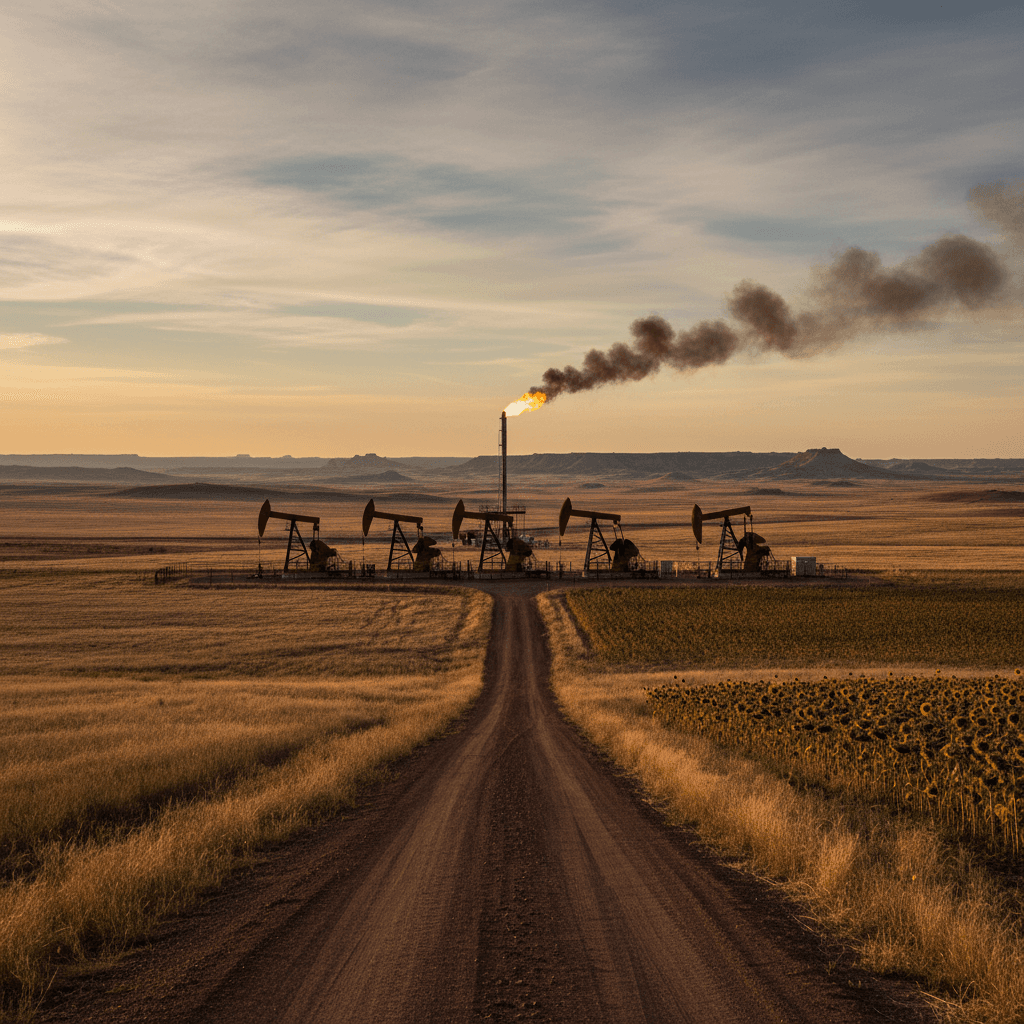
North Dakota's active drilling rig count held steady at 20 for the week ending April 15, 2026, according to live Bakken Wire data. This level of activity continues a multi-year trend of suppressed drilling in the Williston Basin, even as benchmark oil prices provide a supportive environment for investment.
West Texas Intermediate (WTI) crude traded at $91.61 per barrel, gaining $0.33 on the day. The international Brent benchmark was higher at $95.57. Natural gas prices were recorded at $2.58 per MMBtu. The sustained premium of Brent over WTI reflects ongoing logistical constraints and pricing differentials for Bakken crude.
The current rig count of 20 is a critical indicator for future production. In oilfield economics, the number of active drilling rigs is a leading indicator, as new wells drilled today will come online and contribute to production volumes several months later. A stable or declining rig count typically forecasts flat or falling output in the subsequent quarter.
Historically, the Bakken formation has required a robust fleet of drilling rigs to offset the steep decline rates of its horizontal wells. At the peak of the previous boom over a decade ago, North Dakota hosted more than 200 active rigs. The current count, while up slightly from the extreme lows seen in 2020, remains a fraction of that level, indicating operators are prioritizing capital discipline and free cash flow over aggressive volume growth.
For Bakken operators, the current $90-plus oil price environment is profitable for most existing wells and new drilling. However, the muted rig response suggests companies are allocating capital to other basins, shareholder returns, or debt reduction instead of significantly expanding their North Dakota drilling programs. This strategy leads to a stable but non-growing production profile.
The outlook for North Dakota oil production in the coming months is therefore likely one of maintenance. With the rig count anchored at a low level, the state's output is expected to hold near current figures, absent a significant and sustained increase in drilling activity. Any production gains will depend on improved well productivity and efficiency gains from existing rigs, rather than an expansion of the drilling fleet.
For royalty owners and service companies, the plateau in activity suggests a continued steady, but not booming, market. Service sector activity will mirror the rig count, supporting a baseline level of work without the dramatic swings of past cycles.
Source
Bakken Wire Live Data