Bakken Rig Count Holds at 22 as Oil Prices Rally
Sustained high oil prices support stable drilling activity, but rig count remains far below historic boom levels for North Dakota production.
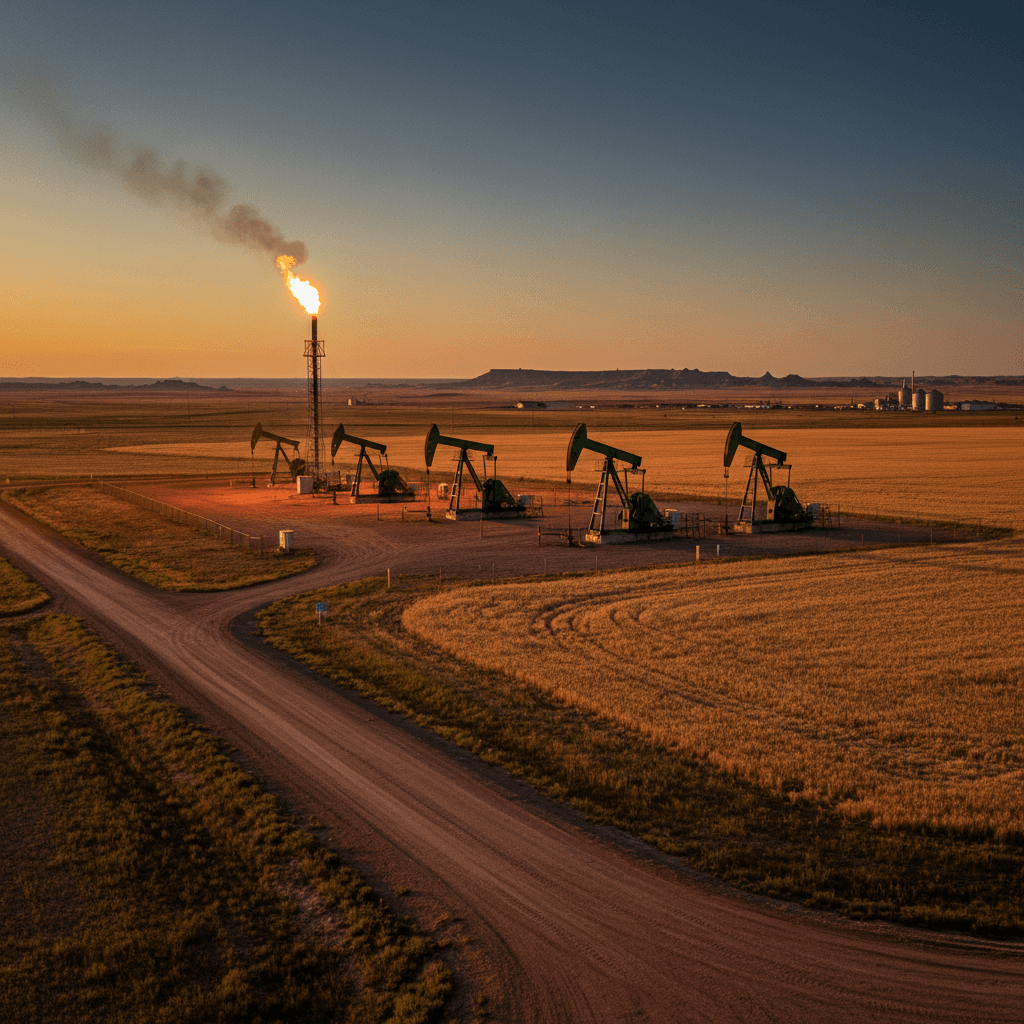
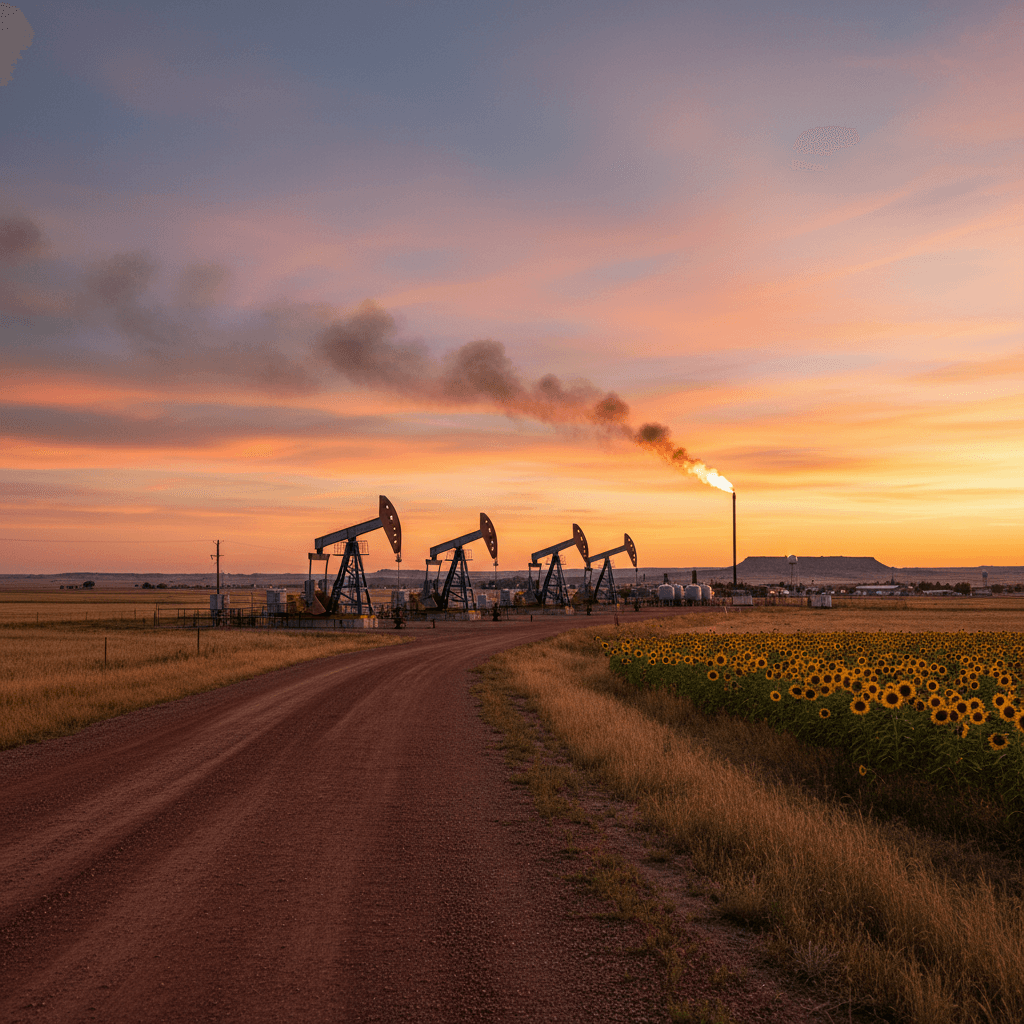
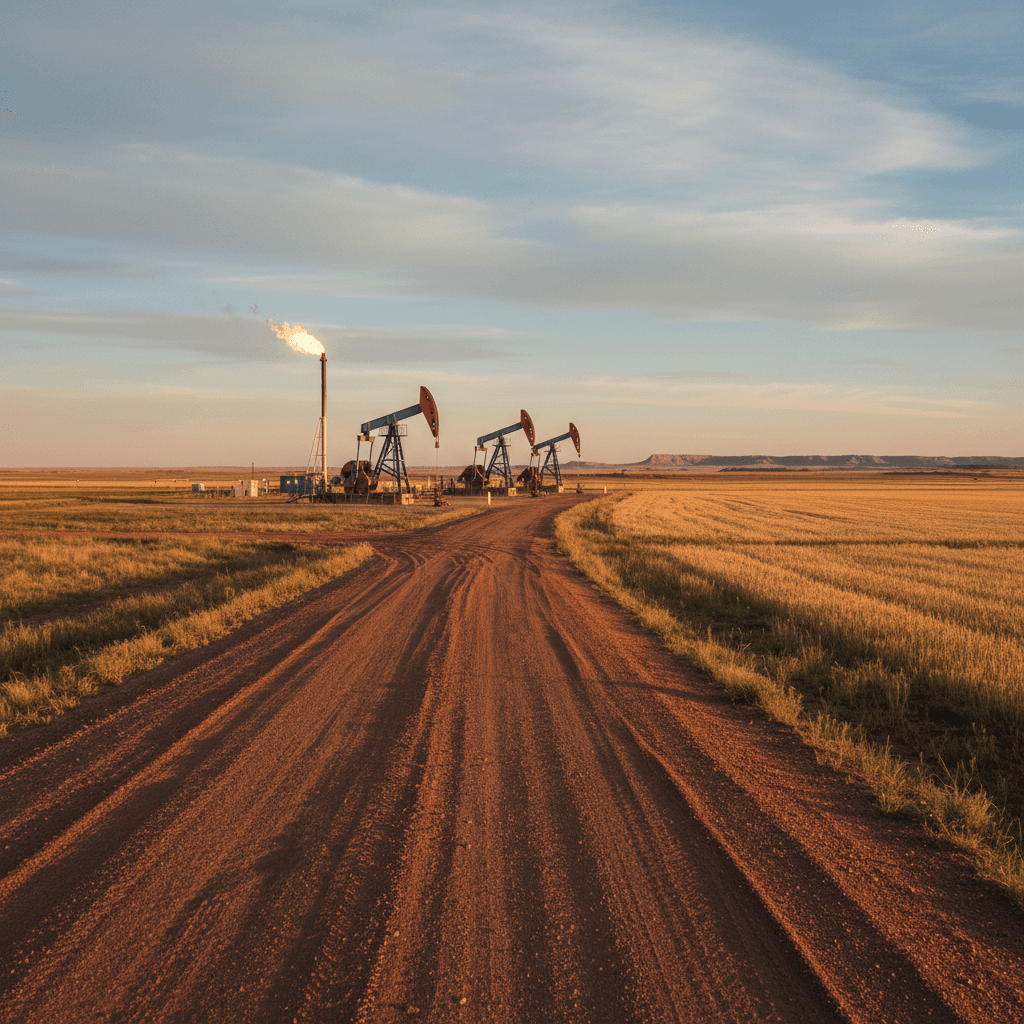
North Dakota's active drilling rig count held steady at 22 this week, according to live data from Bakken Wire, as a sharp rally in oil prices provided a supportive backdrop for operator activity. The stability in the rig count suggests a measured approach by Bakken producers despite favorable market conditions.
West Texas Intermediate (WTI) crude was trading at $89.89 per barrel on Thursday, April 16, a gain of $1.76 or 2% on the day. The international benchmark Brent crude saw an even stronger increase, rising $3.17 to $98.10 per barrel, a jump of 3.34%. The Bakken crude differential, the discount at which Bakken barrels trade relative to WTI at the Clearbrook, Minnesota hub, was -$3.42. Natural gas prices were reported at $2.67 per MMBtu.
The current rig count of 22, while stable, remains a fraction of the historic highs seen during previous boom cycles. At the peak of Bakken activity in 2012, the state's rig count exceeded 200. The rig count is a leading indicator for future oil production, as new wells drilled today will come online and contribute to output in the coming months. A sustained count in the low 20s suggests that near-term production levels are likely to remain relatively flat, barring significant changes in well completion rates or productivity gains.
The rally in oil prices, with Brent nearing the $100 mark, provides a strong economic incentive for production. However, Bakken operators have largely adhered to capital discipline in recent years, prioritizing shareholder returns and debt reduction over aggressive volume growth. The current price environment supports maintenance-level activity but has not yet triggered a significant expansion in drilling programs.
The persistent discount for Bakken crude, while narrower than in some past periods, reflects ongoing takeaway constraints and regional market dynamics that can impact operator revenues. Natural gas prices remain low, continuing to pressure associated gas economics in the basin.
Analysts watch the rig count closely as a gauge of industry confidence. The current stability at 22 rigs indicates that major producers are maintaining their planned activity levels. The outlook for North Dakota's oil production in the second half of 2026 will depend heavily on whether this rig count holds, increases, or declines in response to future price movements and corporate spending strategies.
Source
Bakken Wire Live Data as of Thursday, April 16, 2026