Bakken Rig Count Holds at 23 Amid Stable, Sub-$70 Oil Prices
North Dakota's active drilling fleet remains near historic lows, suggesting a continued focus on capital discipline over production growth.
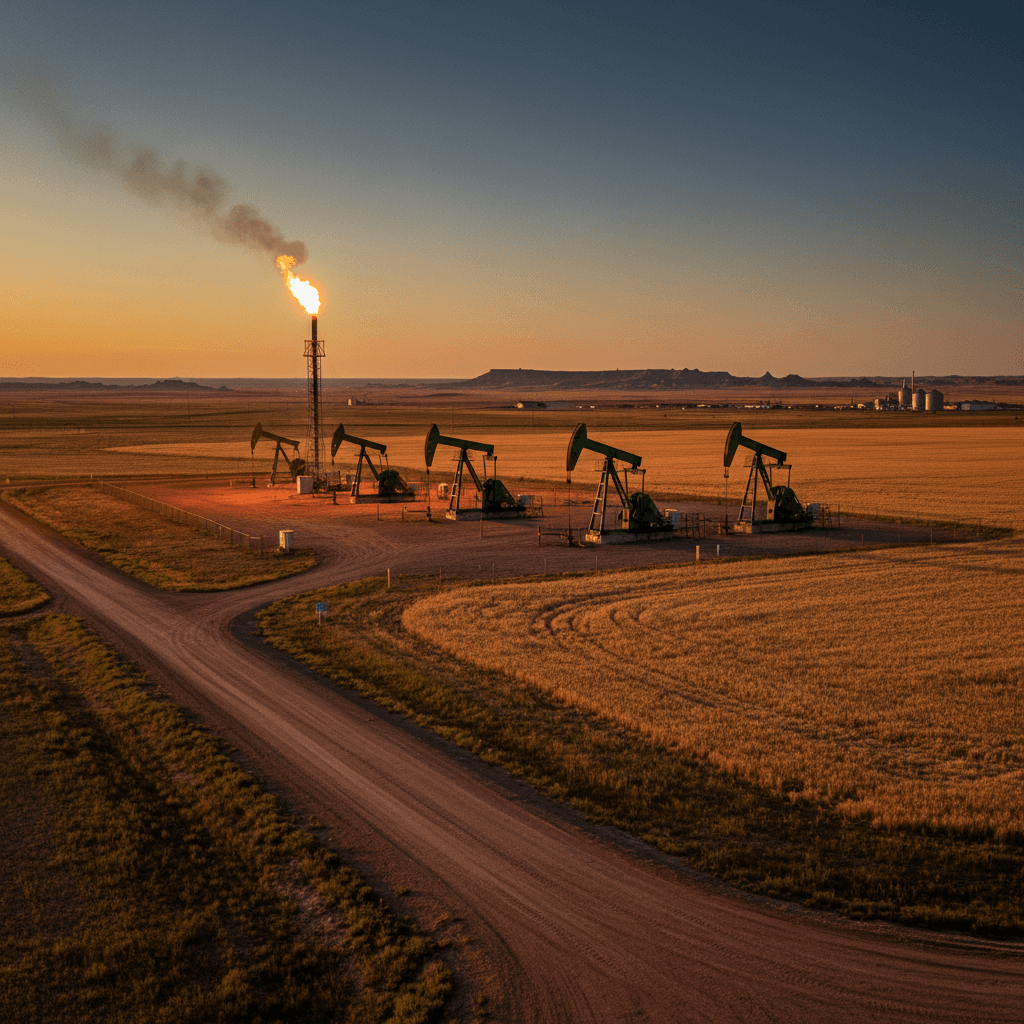
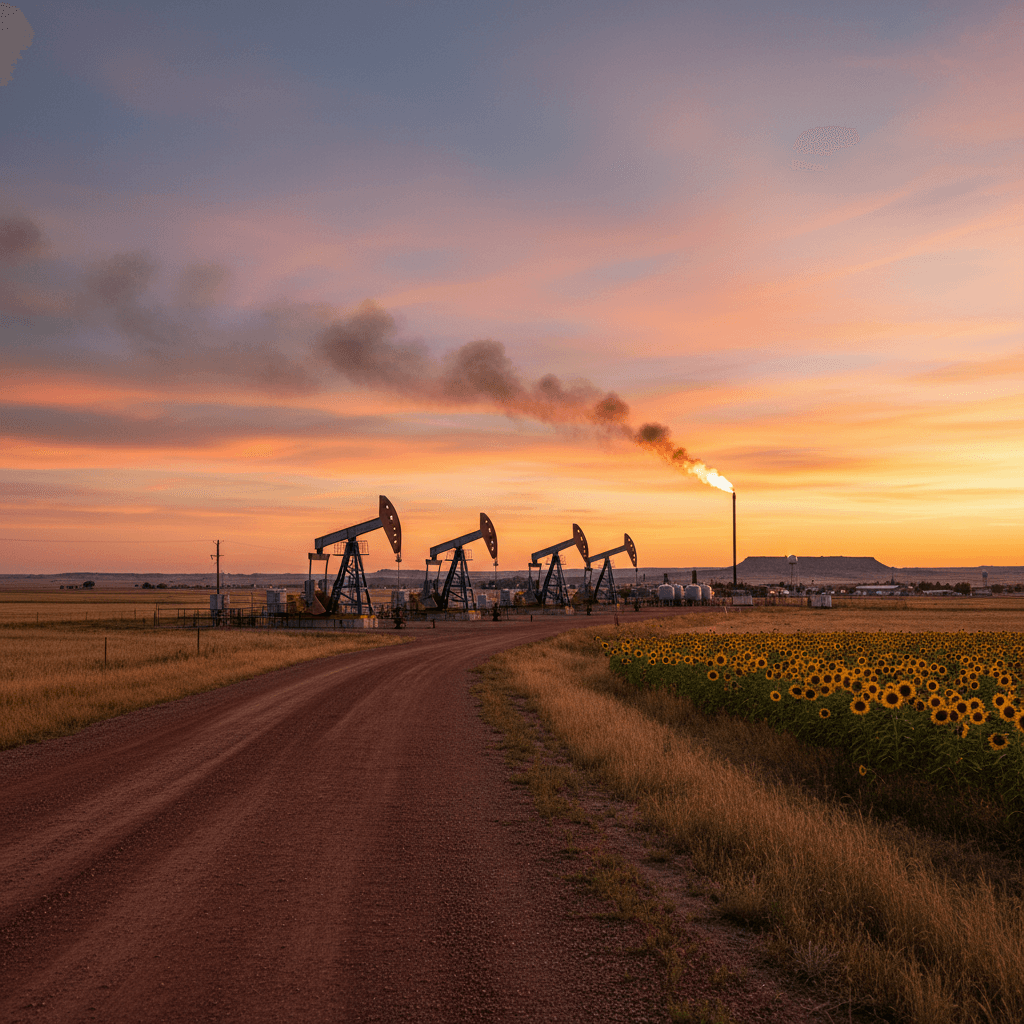
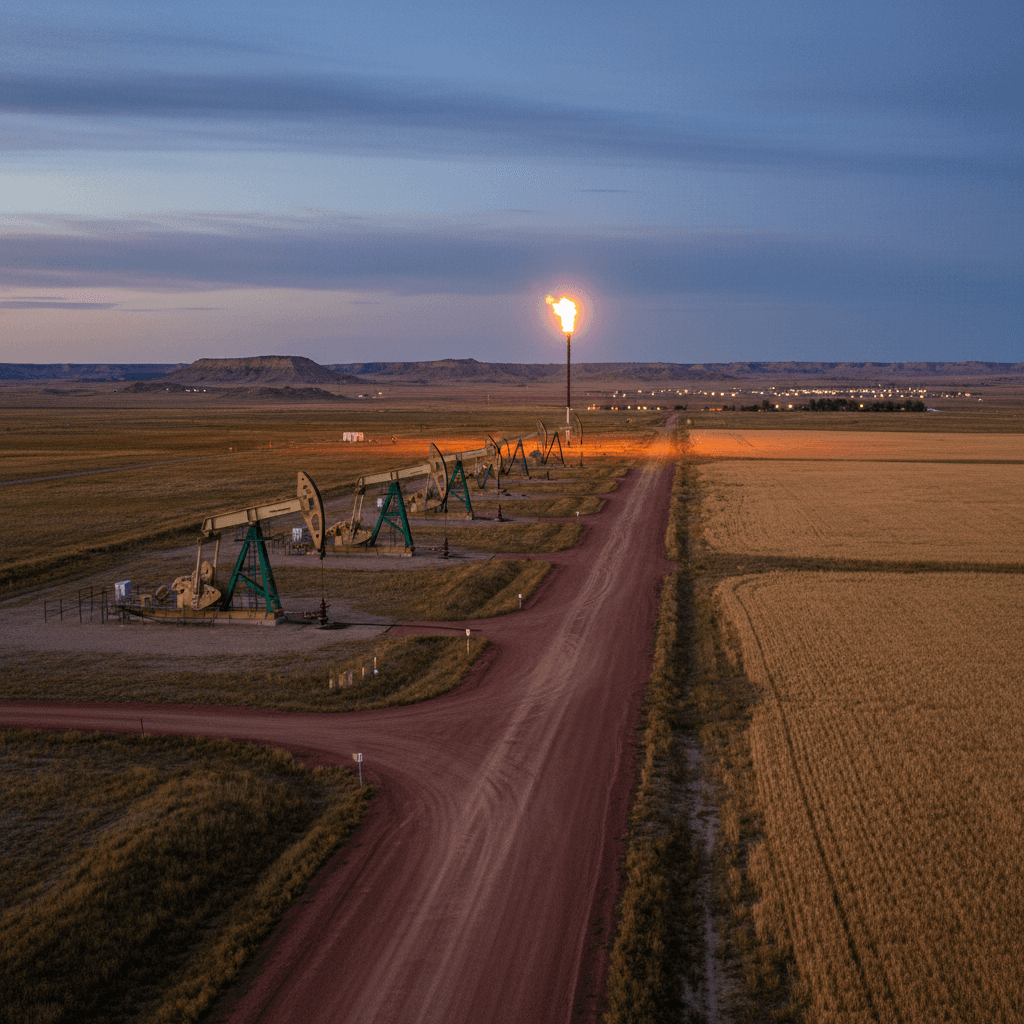
North Dakota's oil industry showed little sign of accelerating drilling activity in early July, with the state's active rig count holding steady at 23, according to live Bakken Wire data. The count remains near the lowest levels seen in the past decade, reflecting a sustained period of capital discipline by operators in the face of stable but modest crude prices.
West Texas Intermediate (WTI) crude traded at $68.68 per barrel on Monday, showing minimal change from the previous session. The international Brent benchmark was slightly stronger at $72.08. Bakken crude at the wellhead continues to trade at a discount, with a differential of $3.42 below WTI, putting the local price near $65.26. Natural gas prices were recorded at $3.25 per MMBtu.
The current rig count is a critical leading indicator for future production. Historically, a sustained increase in the rig count precedes a rise in oil output by several months, as new wells are drilled, completed, and brought online. Conversely, a low and stable rig count, as seen now, typically forecasts flat to declining production in the near term.
For Bakken operators, the current price environment appears to be at or near the threshold for sustaining, but not aggressively expanding, drilling programs. With WTI below $70, many companies are likely prioritizing free cash flow generation and shareholder returns over adding new rigs. The focus remains on maximizing efficiency and completing drilled but uncompleted wells (DUCs) from existing inventories.
The persistent low rig count suggests that North Dakota's oil production, which had been on a gradual upward trend following the pandemic lows, may plateau or experience a slight decline in the coming quarters unless commodity prices see a significant and sustained increase. The state's output remains heavily dependent on the productivity of existing wells and the pace at which the current, reduced fleet of rigs can add new ones.
For royalty owners and service companies in the Williston Basin, the outlook points to a period of stability rather than boom. Activity levels are set by a cautious industry, with capital budgets tightly managed. Any major shift in the production trajectory will likely require a move in oil prices well above the current range to incentivize a meaningful reactivation of idle drilling rigs.
Source
Bakken Wire Live Data as of July 6, 2026