Bakken Rig Count Holds at 24 as Oil Prices Retreat from Recent Highs
Current activity level suggests a focus on maintaining core production as WTI crude trades near $96.50.
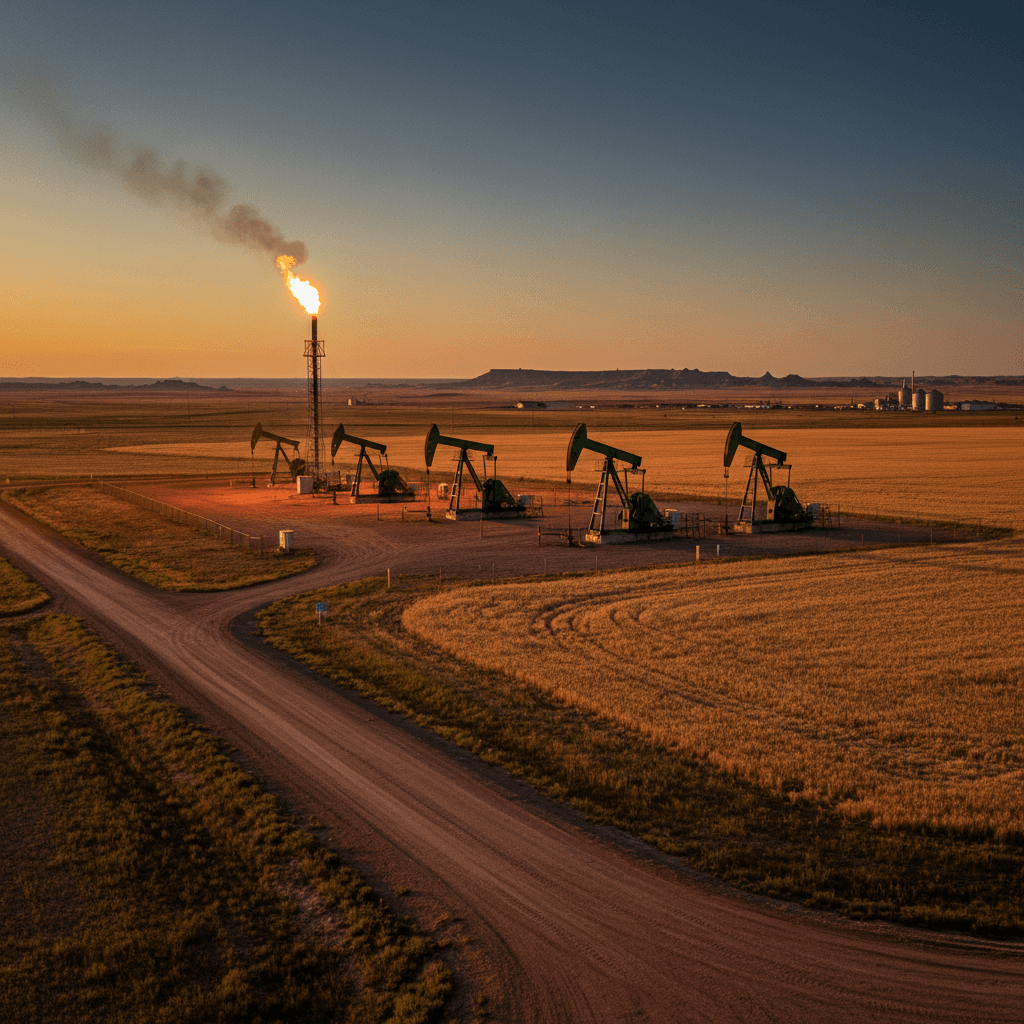
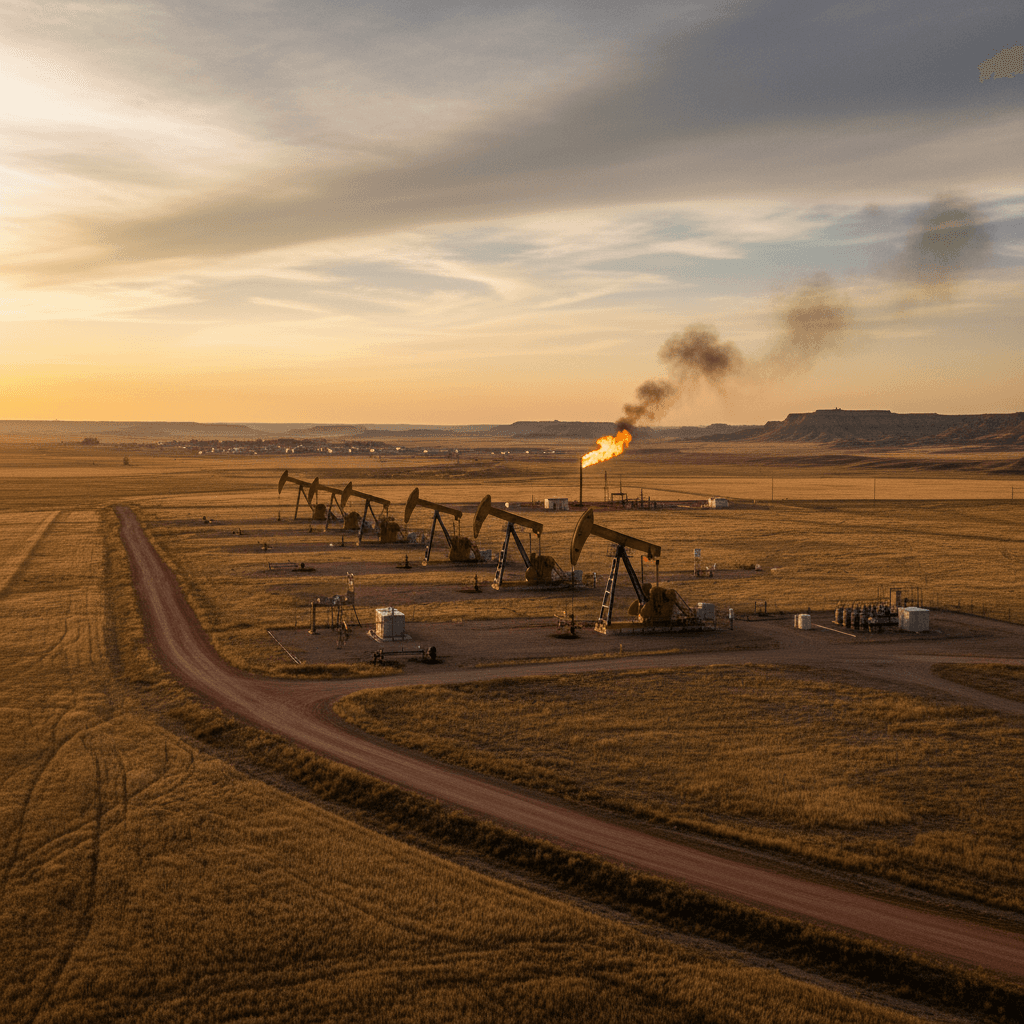
North Dakota's active drilling rig count held steady at 24 this week, according to live Bakken Wire data, as crude oil prices pulled back from recent peaks. The stability in the rig count, a key indicator of future production, comes alongside a midday trading price for West Texas Intermediate (WTI) crude of $96.57 per barrel, down $1.33 for the session.
The current rig count of 24 represents a baseline level of activity for the Bakken formation in recent years, typically associated with maintaining production from core acreage rather than significant growth. Historically, the number of active drilling rigs is a leading indicator for oil production, with changes in the count foreshadowing shifts in output several months later. The current tally suggests operators are proceeding with disciplined development plans.
Brent crude, the international benchmark, was also lower, trading at $95.20 per barrel. Natural gas prices were recorded at $2.65 per MMBtu. The dip in oil prices follows a period of stronger values, which have generally supported Bakken operator economics throughout 2026.
Analysts often view a rig count in the low-to-mid 20s as sufficient to hold North Dakota's oil production relatively flat, assuming no major changes in well productivity or completion activity. The state's output has demonstrated resilience at similar activity levels, with producers focusing on drilling their most profitable locations and improving operational efficiency.
The price environment, even with today's retreat, remains supportive for many Bakken wells, particularly in the core of the play. However, the static rig count indicates that operators are not aggressively accelerating drilling programs in response to current prices. Capital discipline and shareholder returns continue to be major priorities for publicly traded producers, which influences spending and rig deployment.
For royalty owners and service companies, a steady rig count provides a degree of predictability for local economic activity. The focus for the near-term production outlook will be on the efficiency of completing drilled but uncompleted wells (DUCs) and the initial production rates from new wells coming online. With 24 rigs running, the pipeline of new wells will continue, but a substantial increase in the state's overall production volume would likely require a sustained period of higher rig counts and oil prices.
Source
Bakken Wire Live Data