Bakken Rig Count Holds at 24 as Oil Prices Support Steady Activity
WTI above $82 provides a stable price environment for operators, but low rig levels suggest production growth will be limited.
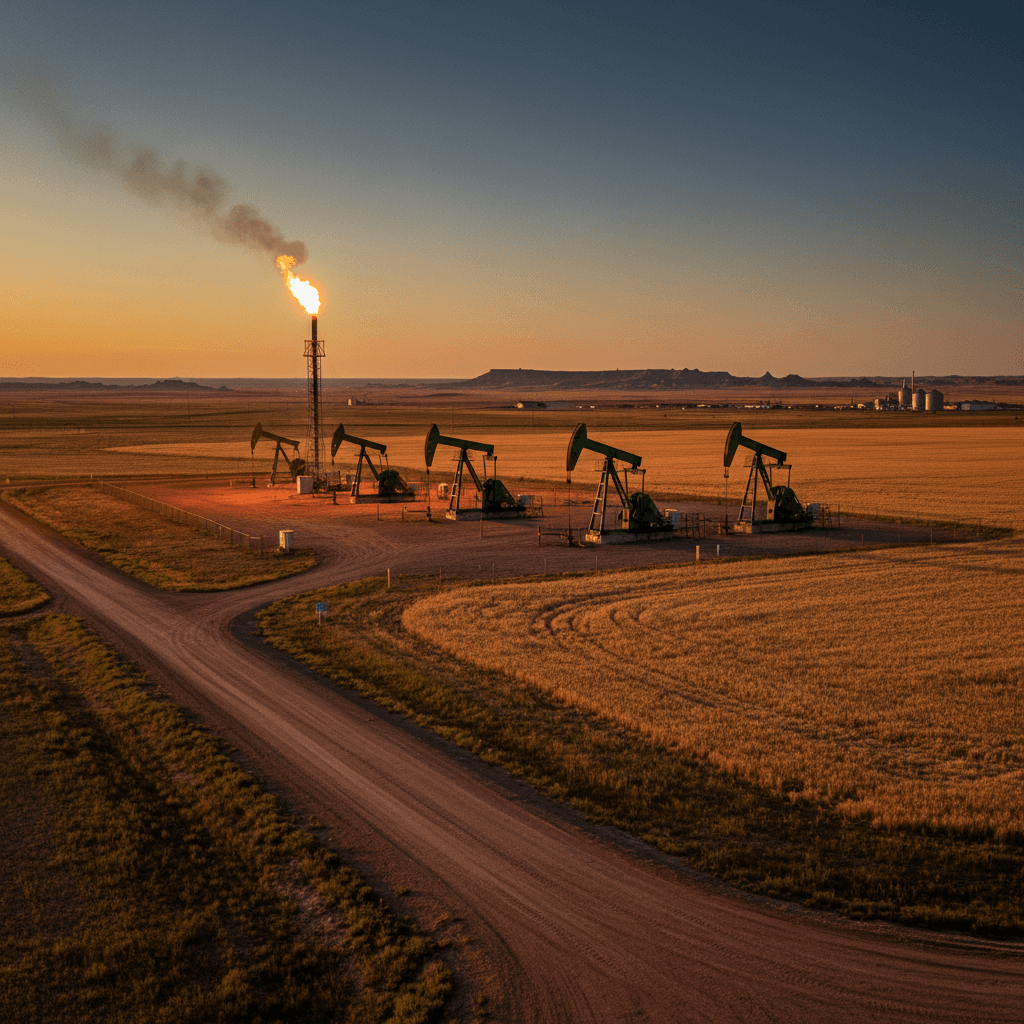
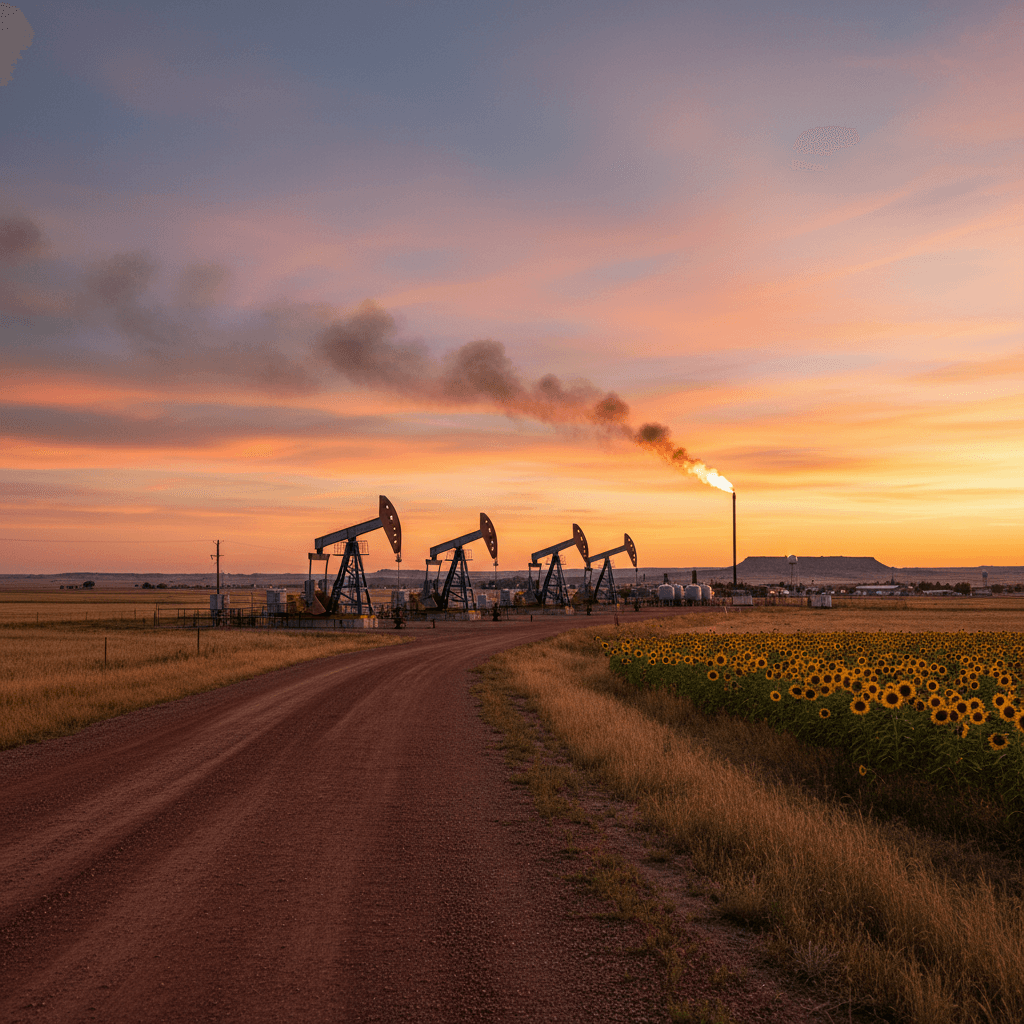
The active drilling rig count in North Dakota held steady at 24 units as of Monday, July 20, 2026, according to live Bakken Wire data. The stability in rig activity comes amid supportive crude oil prices, with West Texas Intermediate trading at $82.50 per barrel.
The current rig count remains near multi-year lows, a level that historically suggests the state's oil production will remain flat or see modest declines in the coming months. The rig count is a leading indicator, as new wells drilled today typically begin producing several months later.
The price environment provides a floor for current operations. WTI crude gained $0.72 on the day to settle at $82.50, while the international Brent benchmark traded at $88.96. The Bakken crude differential—the discount at which Bakken barrels trade compared to WTI at the Cushing, Oklahoma hub—was reported at -$3.42.
This pricing structure means Bakken producers are realizing approximately $79.08 per barrel for their oil. Natural gas prices, a secondary revenue stream for many wells, were listed at $2.83 per MMBtu.
The sustained low rig count reflects a continued focus on capital discipline and efficiency by operators across the Williston Basin. Companies are prioritizing completing drilled but uncompleted wells (DUCs) and maximizing output from existing producing wells over aggressive new drilling campaigns.
Historically, a rig count in the mid-20s is associated with maintaining North Dakota's production base rather than significantly expanding it. The state's production peaked at over 1.5 million barrels per day in late 2019, supported by a rig count that frequently exceeded 50.
With only 24 rigs currently running, analysts expect the state's output to remain constrained. Operators are likely concentrating on the most productive core areas of the Bakken and Three Forks formations to generate competitive returns at current price levels.
The steady rig number indicates a period of operational stability. Without a significant and sustained increase in oil prices or a shift in corporate strategy toward growth, the rig count is unlikely to see a sharp upward move in the near term.
For royalty owners and service companies, the outlook suggests continued modest activity levels. Production volumes from new wells coming online will largely offset natural declines from the existing base of older wells.
Source
Bakken Wire Live Data