Bakken Rig Count Holds at 24 as Oil Prices Surge Above $86
Strong crude prices and a narrowing discount provide support, but production growth remains constrained by limited drilling activity.
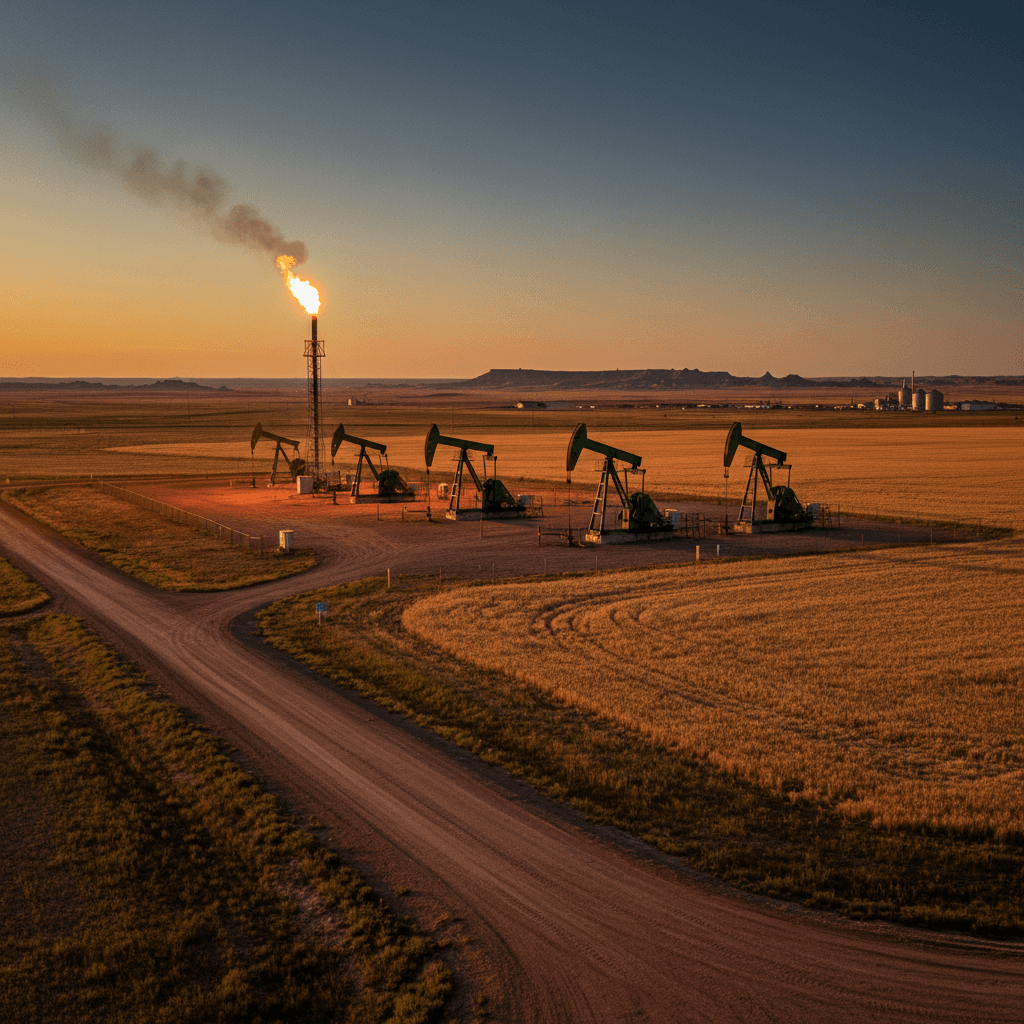
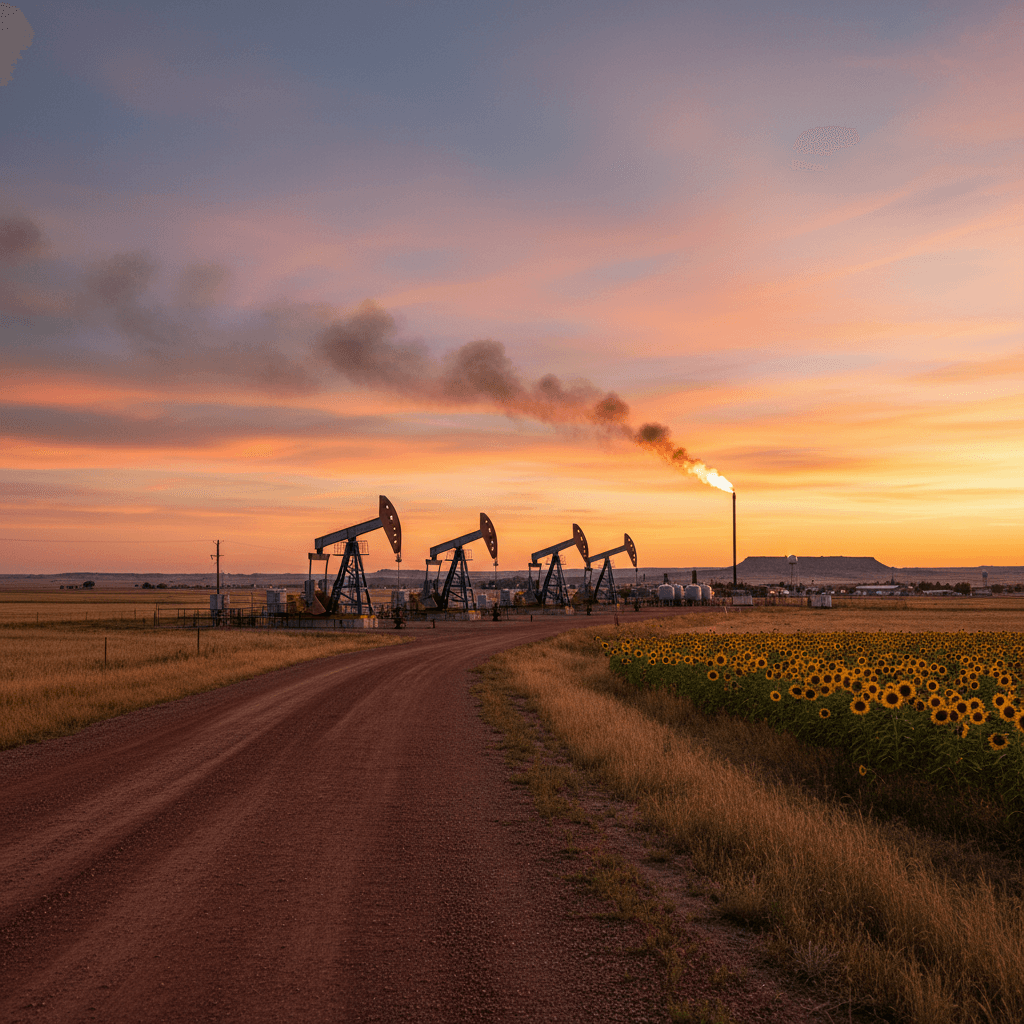
North Dakota's active drilling rig count held steady at 24 on Wednesday, according to live data from Bakken Wire, a level that suggests the state's oil production will remain relatively flat in the near term. The count is a key leading indicator for future output from the Bakken formation.
The static rig activity comes alongside a significant surge in oil prices. West Texas Intermediate (WTI) crude was trading at $86.47 per barrel on July 22, 2026, a gain of $2.13 or 2.53% for the day. The international benchmark Brent crude rose even more sharply to $93.87. The Bakken crude discount to WTI was reported at $-3.42, a relatively narrow differential that improves the netback for local producers.
Historically, rig counts correlate directly with production trends after a lag of several months. A stable or rising count typically leads to increased output from new wells, while a declining count foretells a production plateau or drop. The current count of 24 rigs is substantially lower than the peaks seen in previous boom cycles, indicating operators are maintaining a disciplined focus on capital efficiency and shareholder returns rather than aggressive volume growth.
The combination of strong prices and a favorable differential provides a supportive economic environment for Bakken operators. Prices above $80 per barrel generally improve cash flows and can support maintenance-level drilling programs. However, the rig count suggests that companies are not yet deploying capital for significant expansion.
For royalty owners and state revenues, the current dynamic translates to stable, but not growing, monthly checks and tax collections. Production from existing wells continues to decline naturally, meaning the 24 active rigs are primarily working to offset this base decline.
Natural gas prices, a secondary revenue stream for many wells, were reported at $2.94 per MMBtu. While not a primary driver for the oil-focused Bakken, higher gas prices can improve the economics of drilling, particularly in areas with higher gas-to-oil ratios.
The outlook for North Dakota production hinges on whether operators choose to deploy more rigs in response to the sustained higher price environment. For now, capital discipline appears to remain the prevailing strategy across the basin, keeping activity—and consequently, near-term production growth—in check.
Source
Bakken Wire Live Data as of July 22,1026