Bakken Rig Count Holds at 25 Amid Sharp Oil Price Drop
North Dakota's active rig count remains steady as crude prices fall sharply, but low rigs may signal future production declines.
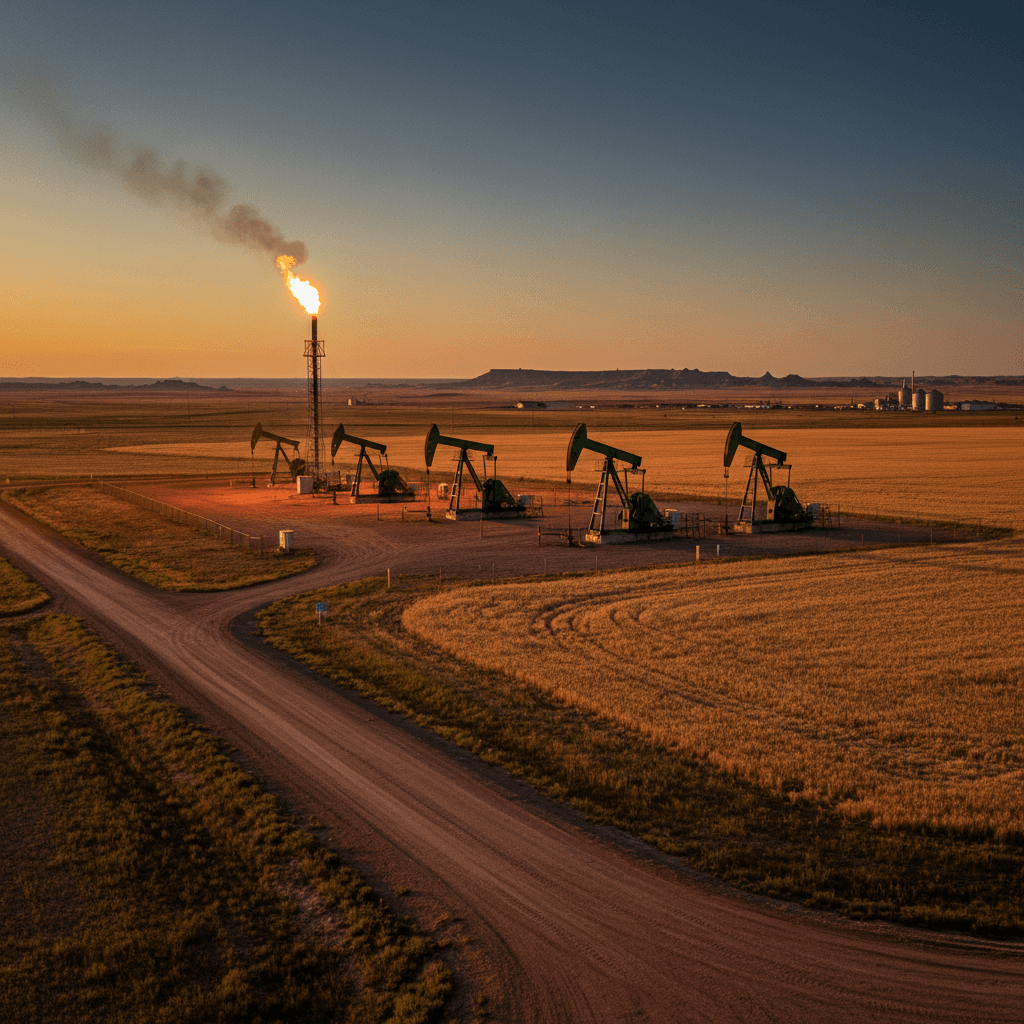
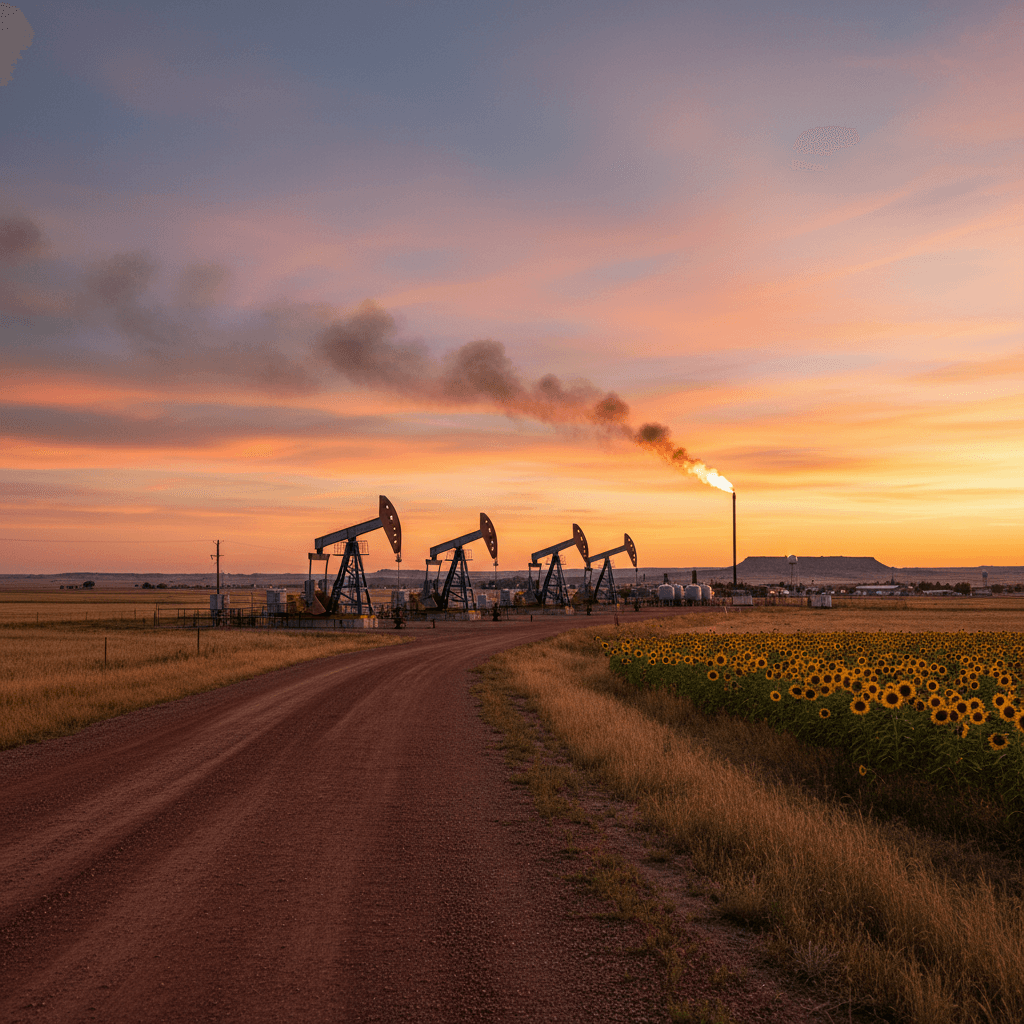
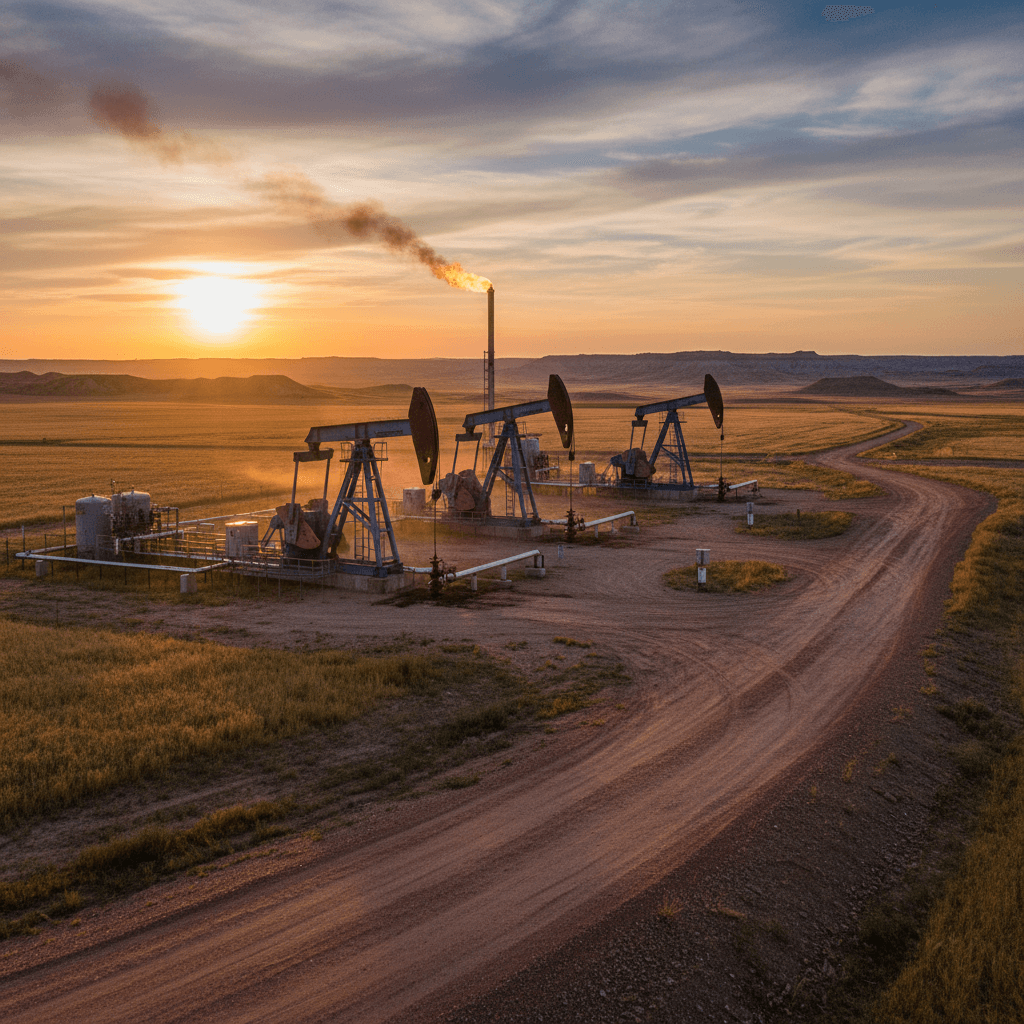
North Dakota's active rig count held at 25 on Friday, July 24, 2026, a level that industry analysts often view as supportive of a production plateau in the short term. However, the steady rig count was met with a significant drop in oil prices, with WTI crude falling $3.79 to settle at $88.4 per barrel.
The sharp price decline of over 4% saw the Bakken crude differential widen to a discount of $3.42 per barrel below the WTI benchmark. Concurrently, natural gas prices were reported at $2.94 per MMBtu.
Historically, the rig count is a leading indicator for future oil production in the Bakken formation, with a lag of several months between drilling activity and new wells coming online. The current count of 25 rigs is significantly lower than the boom-era highs, which frequently exceeded 200, but has been relatively stable over recent quarters. This stability suggests operators are maintaining a measured pace of development focused on core acreage.
The immediate drop in oil prices, if sustained, could pressure operator cash flows and potentially influence future drilling decisions. However, the current WTI price near $88 per barrel remains above many operators' breakeven economics in the Bakken's core areas, providing some buffer against the day's losses.
For near-term production levels, the existing rig count points to a continuation of the state's current output, barring significant changes in well completion activity or unexpected declines from existing wells. A prolonged period with rigs in the mid-20s typically correlates with a gradual production decline over time, as new wells merely offset natural depletion from the existing base.
The outlook for Bakken production will depend heavily on whether operators sustain or adjust their drilling plans in response to the new price environment. The stability of the rig count amid Friday's price volatility will be watched closely as a signal of near-term operator sentiment and capital discipline in North Dakota's primary oil-producing region.
Source
Bakken Wire Live Data, July 24, X-06