Bakken Rig Count Holds at 25 as Oil Prices Show Modest Gains
Steady drilling activity and stable pricing suggest a continuation of current North Dakota production trends in the near term.
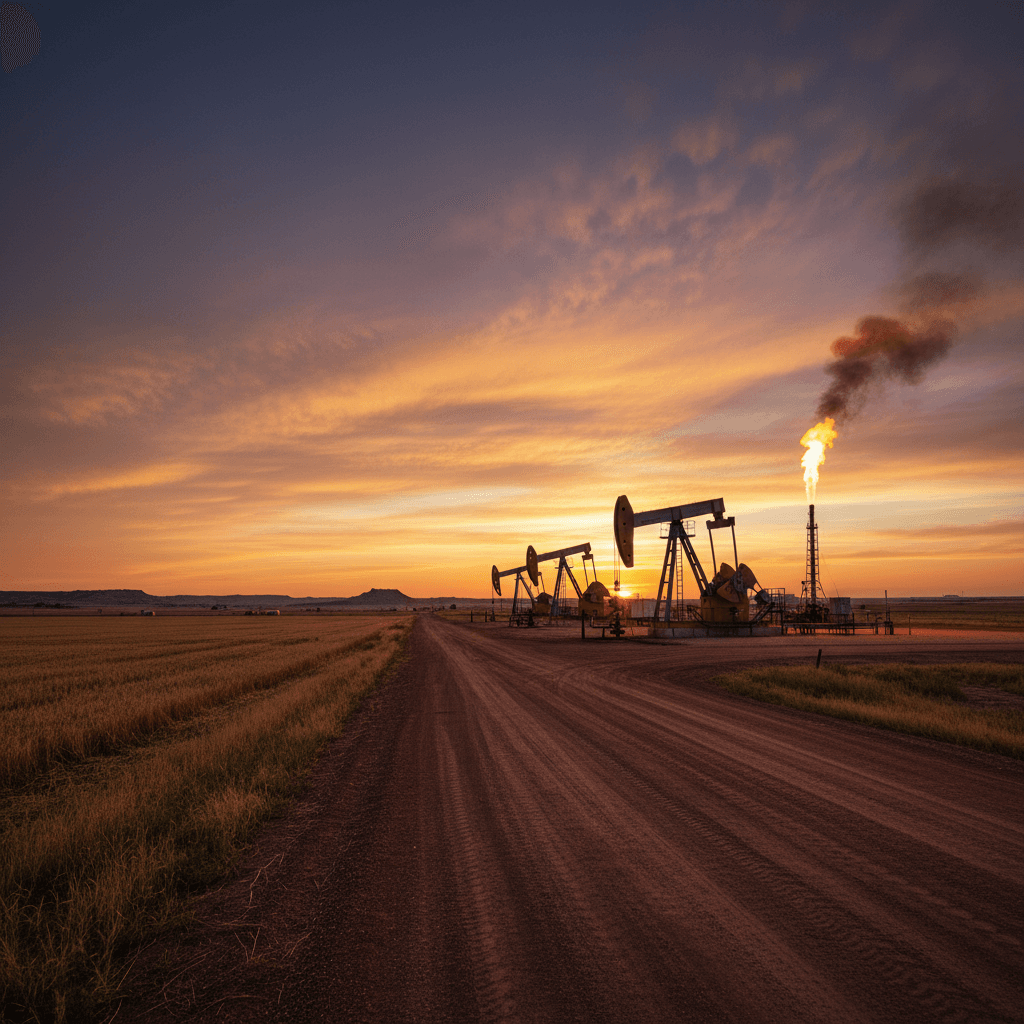
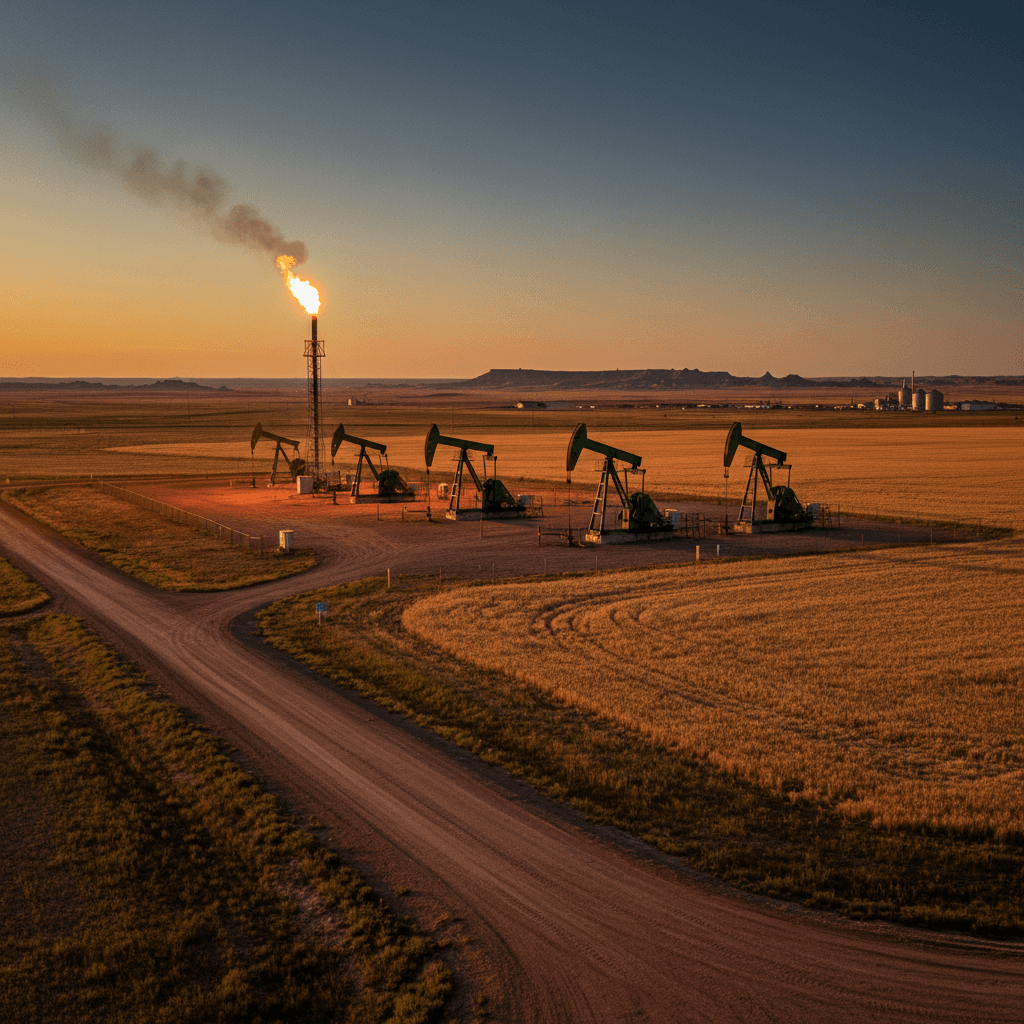
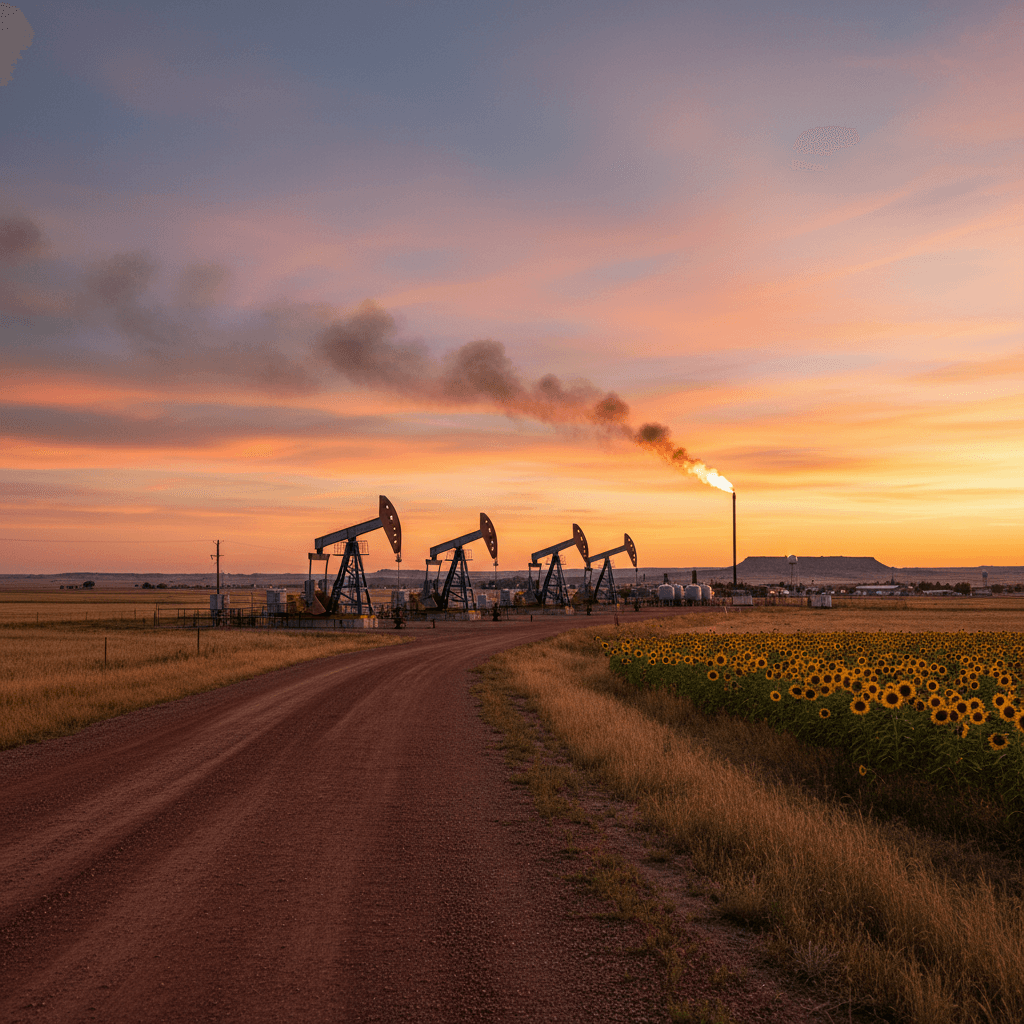
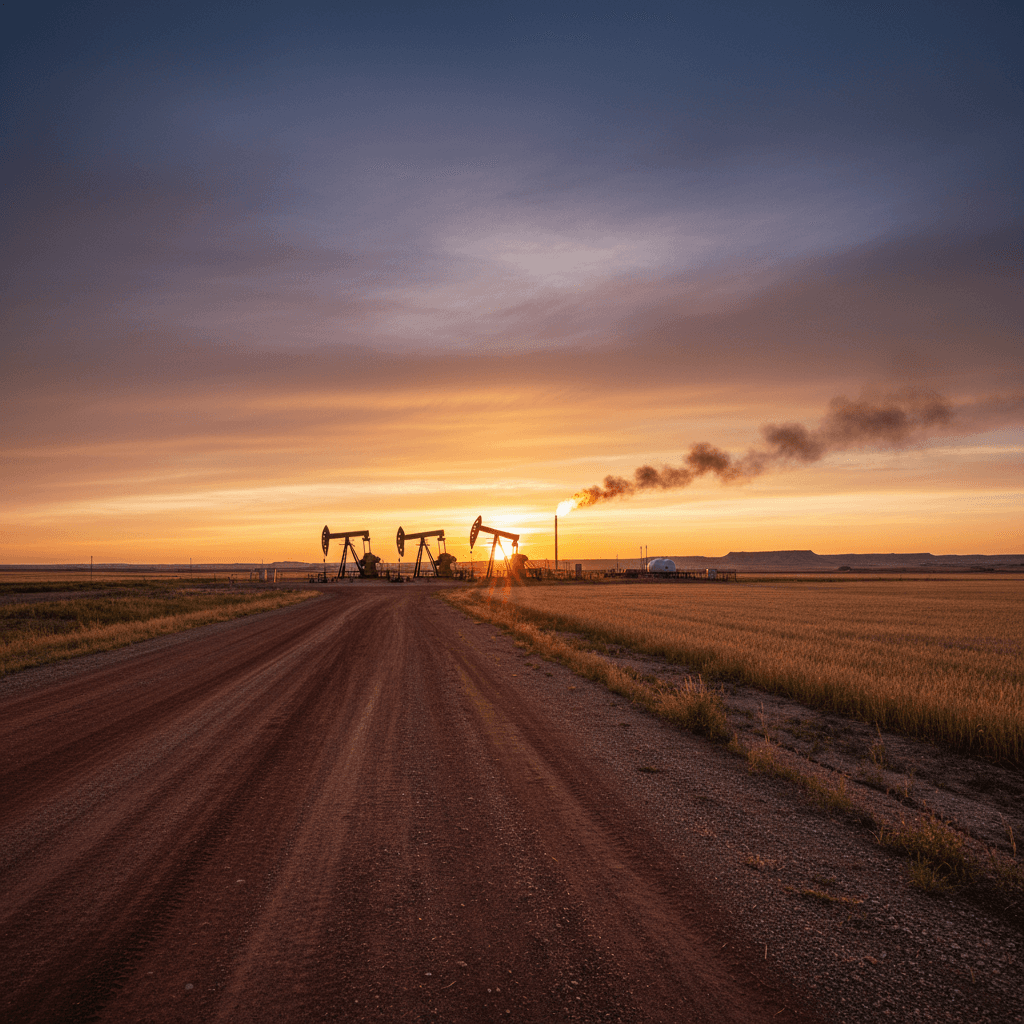
North Dakota's active drilling rig count remained unchanged at 25 on Monday, a level that suggests Bakken operators are maintaining a measured pace of development amid stable commodity prices. The count, a key leading indicator for future oil production, has hovered in the mid-20s for an extended period, reflecting a disciplined capital environment.
West Texas Intermediate crude traded at $68.77 per barrel, posting a minor gain of 12 cents. The international Brent benchmark saw a slightly larger increase, settling at $72.18. The price for Bakken crude at the wellhead is effectively discounted, with the Bakken differential reported at -$3.42 versus WTI. Natural gas prices were listed at $3.24 per MMBtu.
Historically, the rig count is a primary driver of production changes in the Bakken formation, North Dakota's premier oil-producing region. A sustained increase in active rigs typically precedes a rise in output several months later, as new wells are drilled, completed, and brought online. Conversely, a sharp drop in rigs signals an impending production decline.
The current count of 25 rigs is a fraction of the historic peaks seen during the previous boom cycles but represents a stable floor for the modern, efficiency-focused era of Bakken development. At this level, the industry is likely focused on high-grading its best acreage and maintaining production from core areas rather than pursuing aggressive growth.
The modest oil price gains, while positive, are not of a magnitude typically associated with a surge in drilling budgets. Prices in the high-$60s WTI range provide economic viability for many Bakken wells, particularly in the core of the play, but may not incentivize a significant acceleration in activity. The persistent differential to the benchmark price also slightly reduces the netback for producers.
The combined data points to a continuation of the current production plateau in the near term. North Dakota output is likely to remain resilient, supported by the steady drilling pace and the prolific nature of newer wells, but significant month-over-month increases are unlikely without a material uptick in either rig count or commodity prices. Operators are expected to continue prioritizing capital discipline, free cash flow generation, and shareholder returns over volume growth.
For royalty owners and service companies, the outlook is one of stability. The current environment supports consistent, if not spectacular, activity levels across the Williston Basin.
Source
Bakken Wire Live Data as of July 6, 2026