Bakken Rig Count Holds at 26 as Oil Prices Rise Above $80
Sustained low drilling activity suggests North Dakota production may face near-term pressure despite stronger crude prices.
North Dakota's active drilling rig count remained at 26 on Wednesday, a level signaling continued capital discipline by operators as oil prices posted solid gains. West Texas Intermediate crude settled at $80.35 per barrel, a rise of $1.01, while the global Brent benchmark climbed to $85.87, according to live Bakken Wire data.
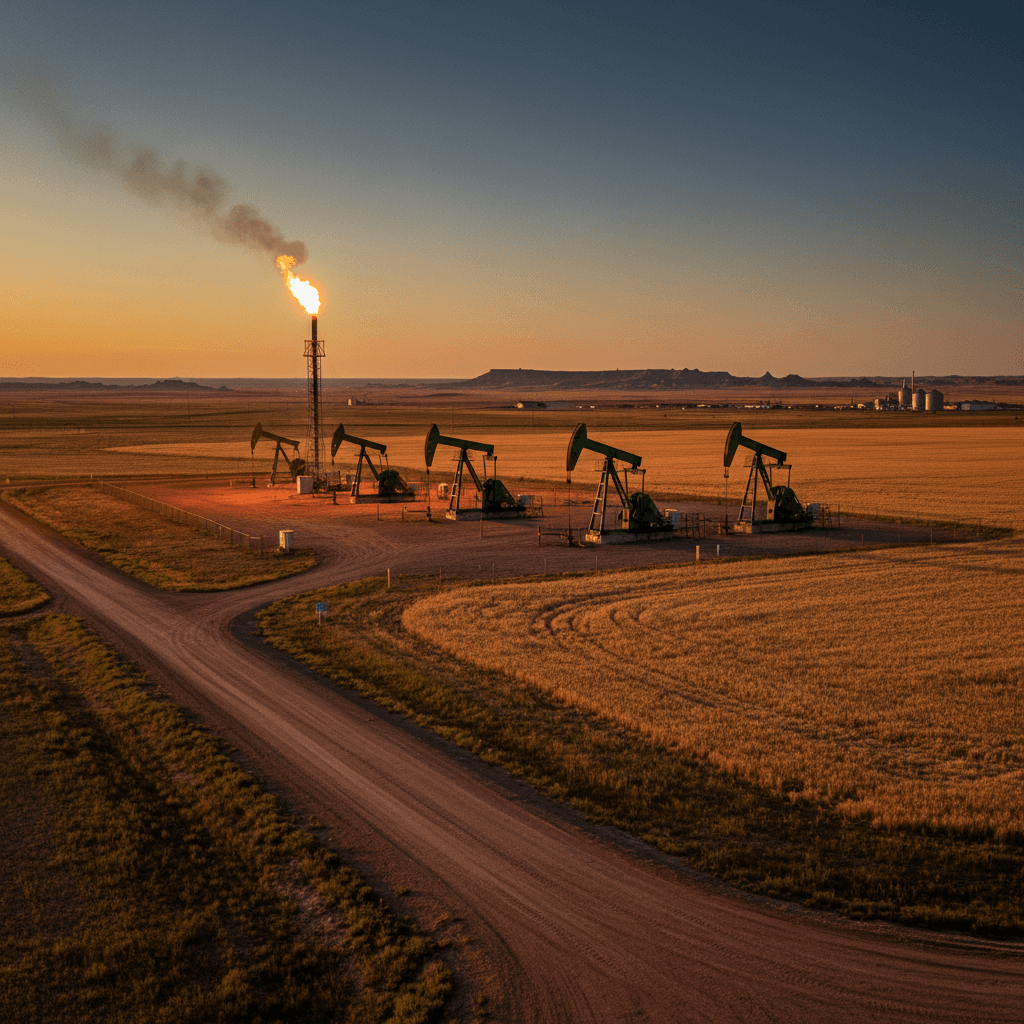
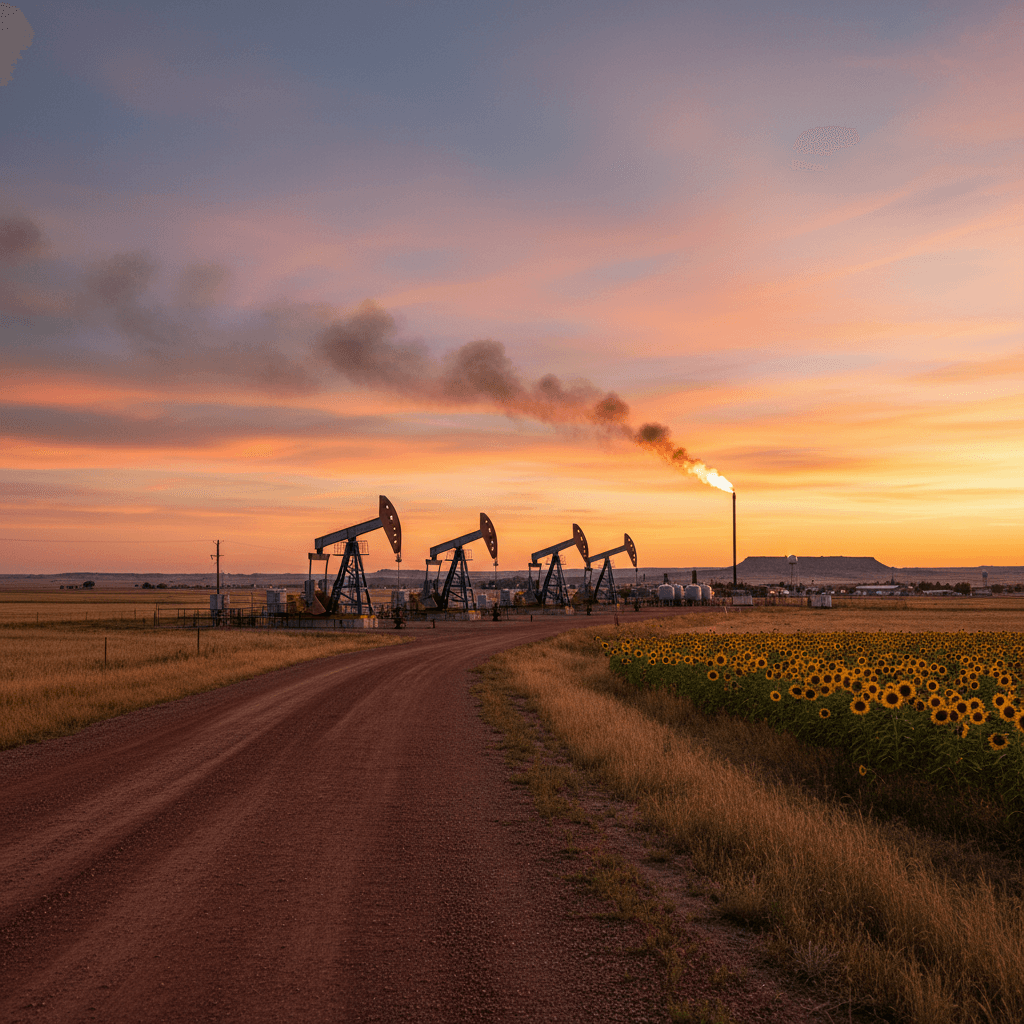
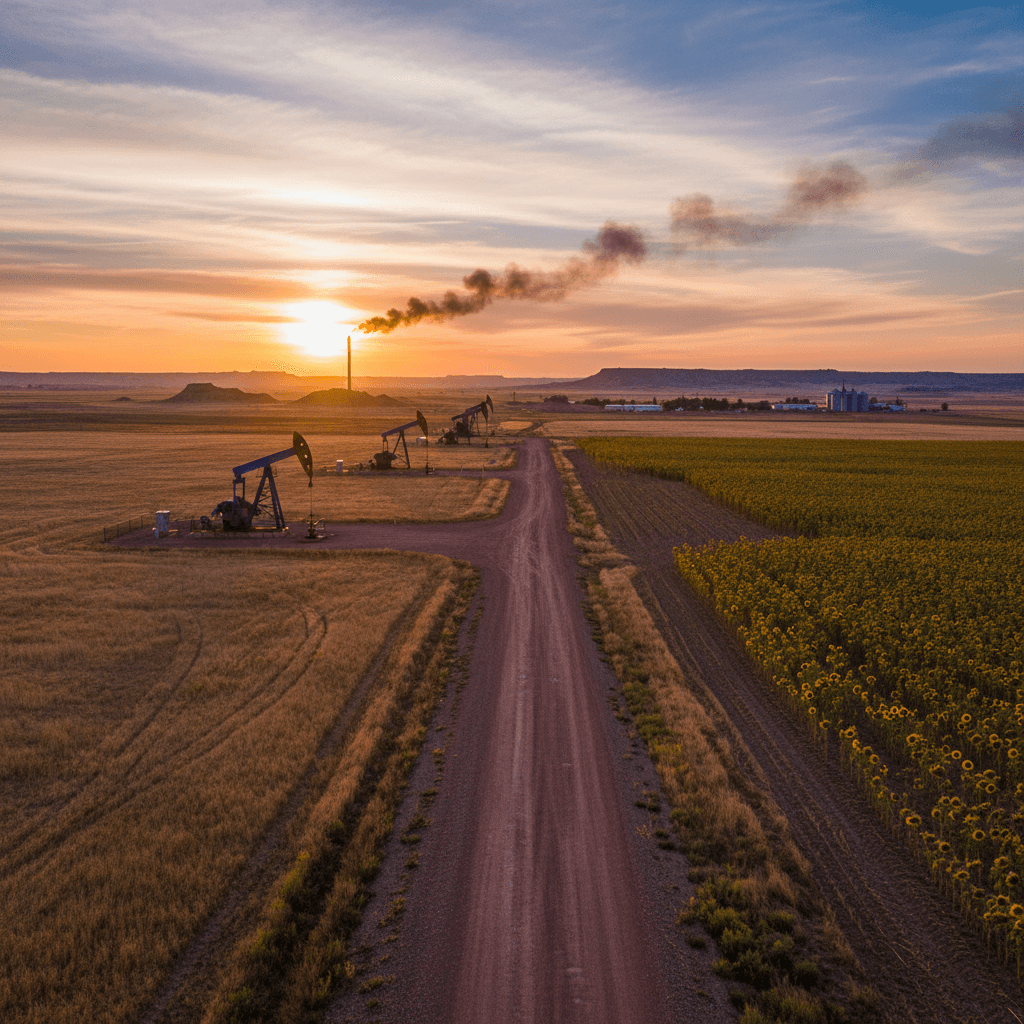
The current rig count is near historic lows for the Bakken formation, the state's primary oil-producing region. Historically, the number of active rigs is a leading indicator for future production, as new wells must be drilled and completed to offset the steep decline rates from existing wells. The sustained low count suggests that, barring a significant acceleration in drilling, statewide oil output could face downward pressure in the coming months.
The price environment offers a mixed signal for producers. While WTI above $80 provides improved cash flow, the Bakken crude differential—the discount at which Bakken barrels trade versus the WTI benchmark—was recorded at -$3.42. This reflects the cost of transporting oil from the Williston Basin to major refining hubs. The netback price for Bakken producers is therefore closer to the mid-$76 range.
Natural gas prices, a secondary revenue stream for many Bakken wells, were listed at $2.93 per MMBtu. Persistently low natural gas prices have historically reduced the economic incentive for gas-rich drilling and limited associated gas flaring reduction projects.
Industry analysts note that operators have prioritized shareholder returns and debt reduction over aggressive production growth since the 2020 price crash. The current rig activity appears consistent with that strategy, focusing capital on the most productive core acreage rather than expanding the drilling footprint. Efficiency gains, such as drilling longer lateral wells and optimizing completion designs, have allowed companies to maintain output with fewer rigs, but there are physical limits to these productivity improvements.
For royalty owners and state tax revenues, the stability at a low rig count implies a stable near-term outlook for new drilling permits and lease activity, but not a return to the boom-era growth. The state's production outlook will depend heavily on whether operators choose to deploy more rigs in response to current prices or continue their restrained spending plans.
Source
Live Bakken Wire data for July 15, 2026.