Bakken Rig Count Holds at 26 as Oil Prices Show Modest Gains
Stable drilling activity and firming crude prices suggest a steady near-term production outlook for North Dakota's oil fields.
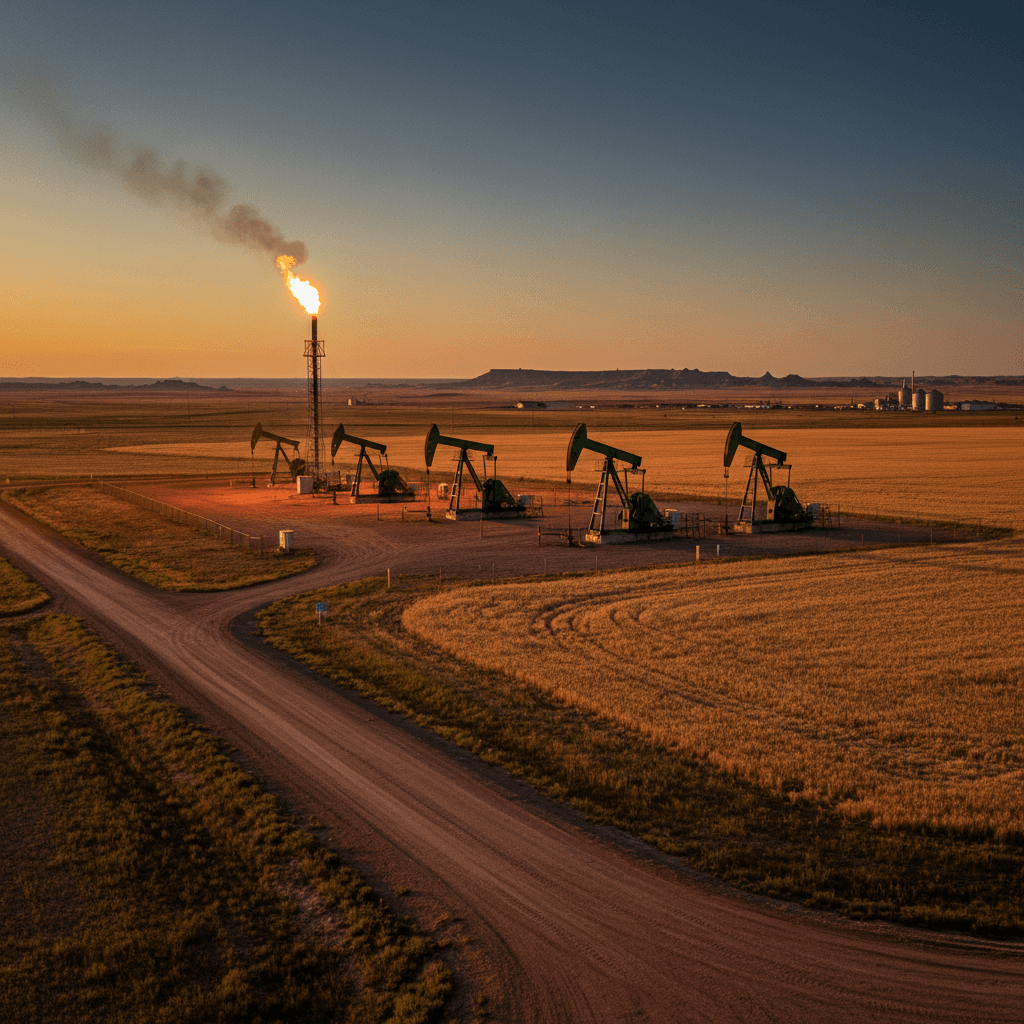
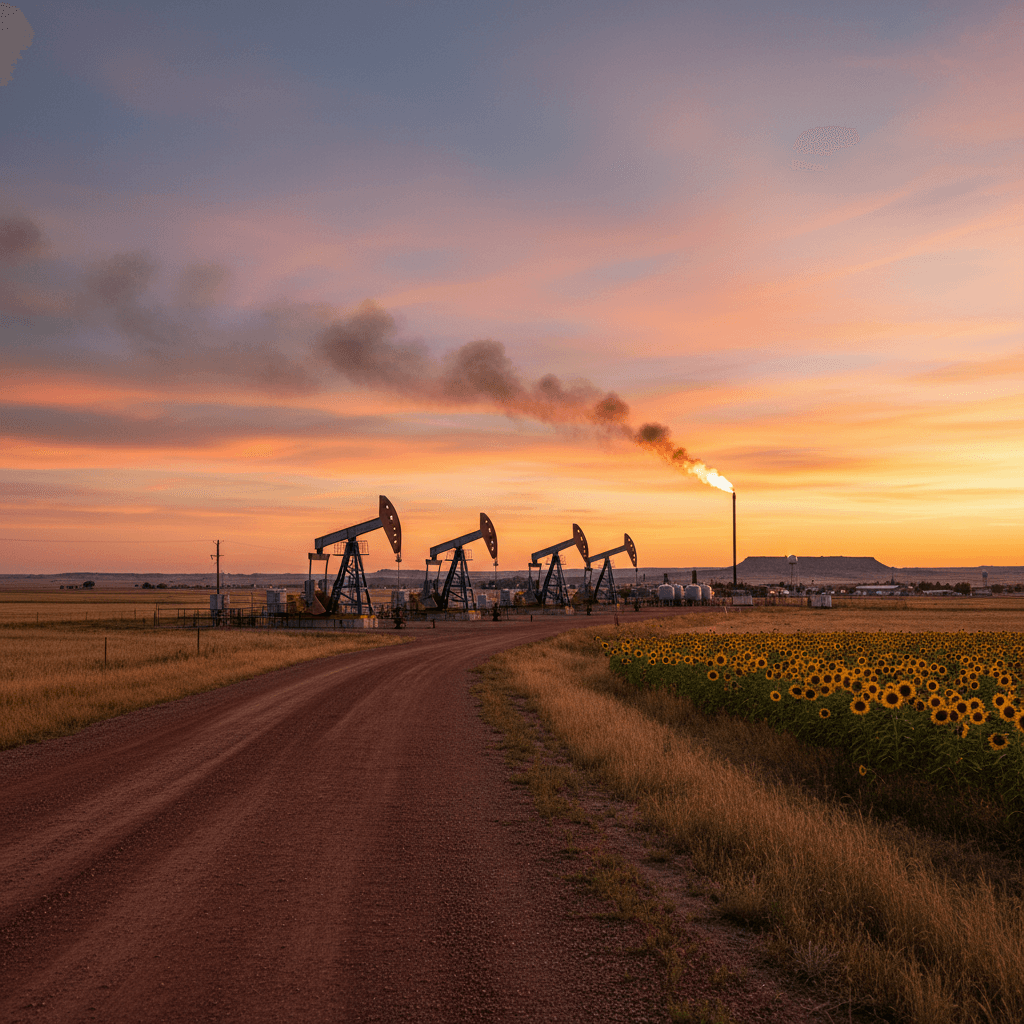
North Dakota's active drilling rig count remained steady at 26 on Saturday, according to live Bakken Wire data, as crude oil prices posted modest intraday gains. The stability in both rigs and pricing points to a continuation of current production levels in the near term for the Bakken formation.
West Texas Intermediate (WTI) crude was trading at $76.54 per barrel, up $0.69 or 0.91% for the session. The international Brent crude benchmark traded at $80.59, a gain of $0.74. The Bakken crude differential, which reflects the local price discount to the WTI benchmark, was recorded at -$3.42. Natural gas was priced at $3.20 per MMBtu.
The rig count is a closely watched leading indicator for oil production, typically preceding changes in output by several months. A stable count, such as the current 26, suggests operators are maintaining but not aggressively expanding their drilling programs. This level of activity is generally associated with sustaining, rather than growing, production from existing wells in the Bakken and broader Williston Basin.
Historically, significant increases in North Dakota's oil output have followed periods of a sharply rising rig count, often driven by sustained higher oil prices that improve project economics. Conversely, a falling rig count usually forecasts a future production decline. The current flat count, coupled with WTI holding above $76, indicates a cautious equilibrium for operators.
The modestly positive price movement provides some support for capital budgets. However, the persistent Bakken differential, where local crude sells at a discount to the U.S. benchmark, continues to capture a portion of the revenue for producers, affecting netbacks.
For royalty owners and service companies, the current data implies a period of stability. Production is unlikely to see a sharp uptick without a material increase in drilling activity, which would require stronger price signals or improved cost efficiencies. The outlook suggests North Dakota's production will likely track near recent monthly totals reported by the state's Department of Mineral Resources, absent a significant shift in the rig count or commodity prices.
Source
Bakken Wire Live Data