Bakken Rig Count Holds at 27 as Oil Prices Retreat
Steady drilling activity suggests near-term production stability, but lower crude prices could pressure future growth.
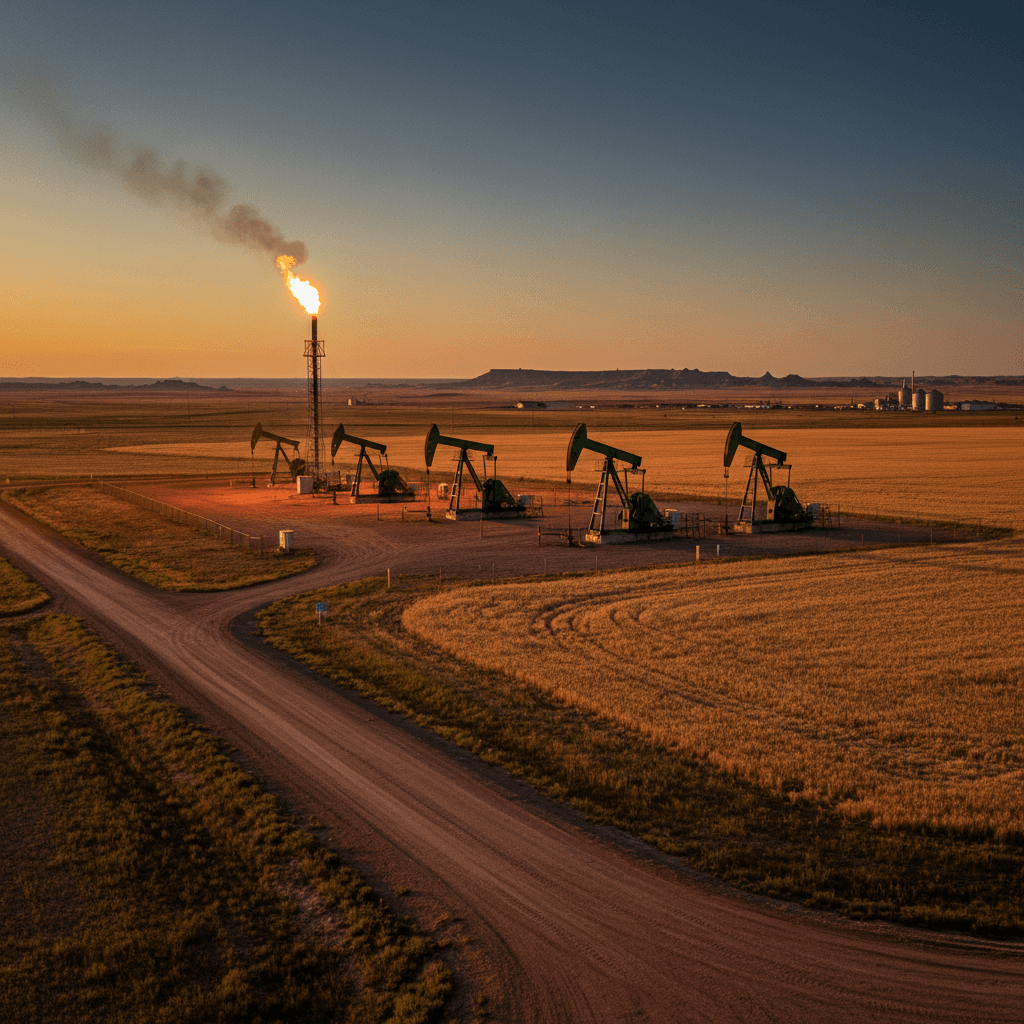
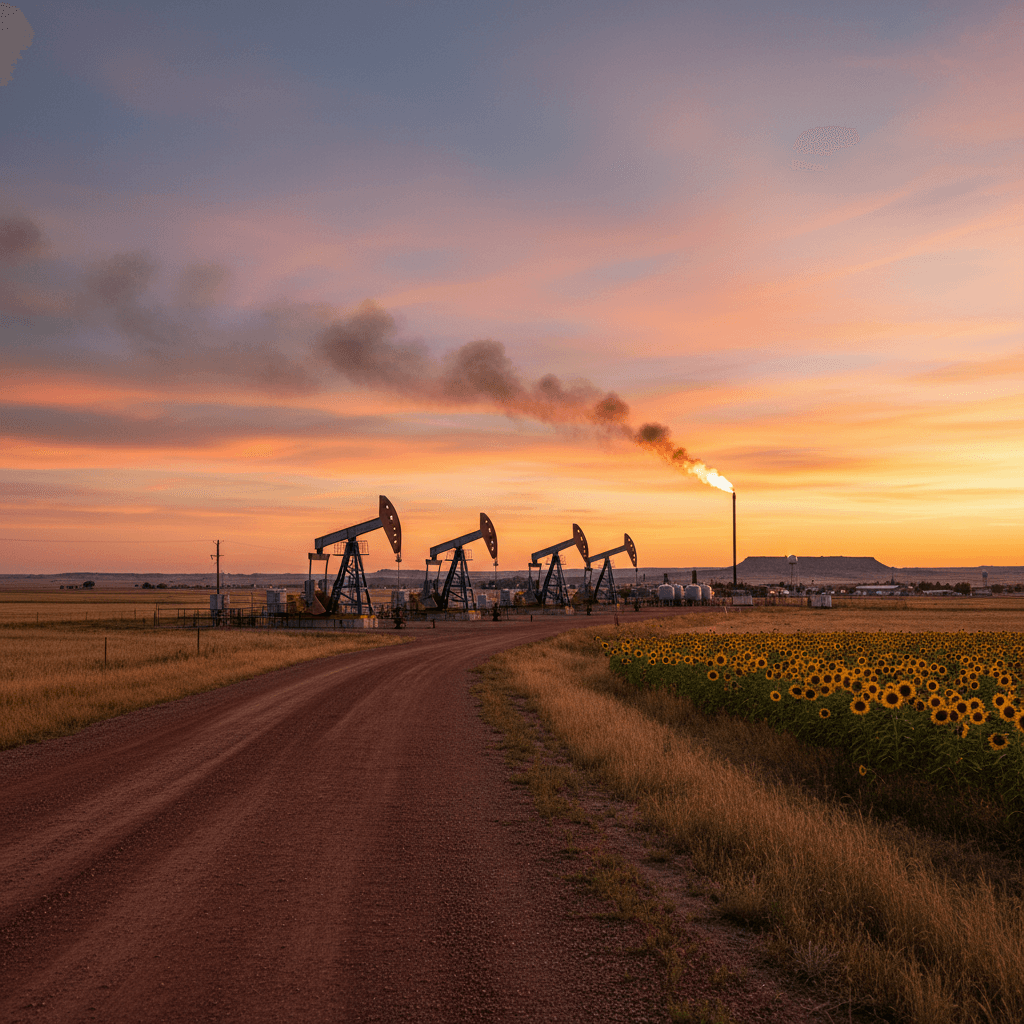
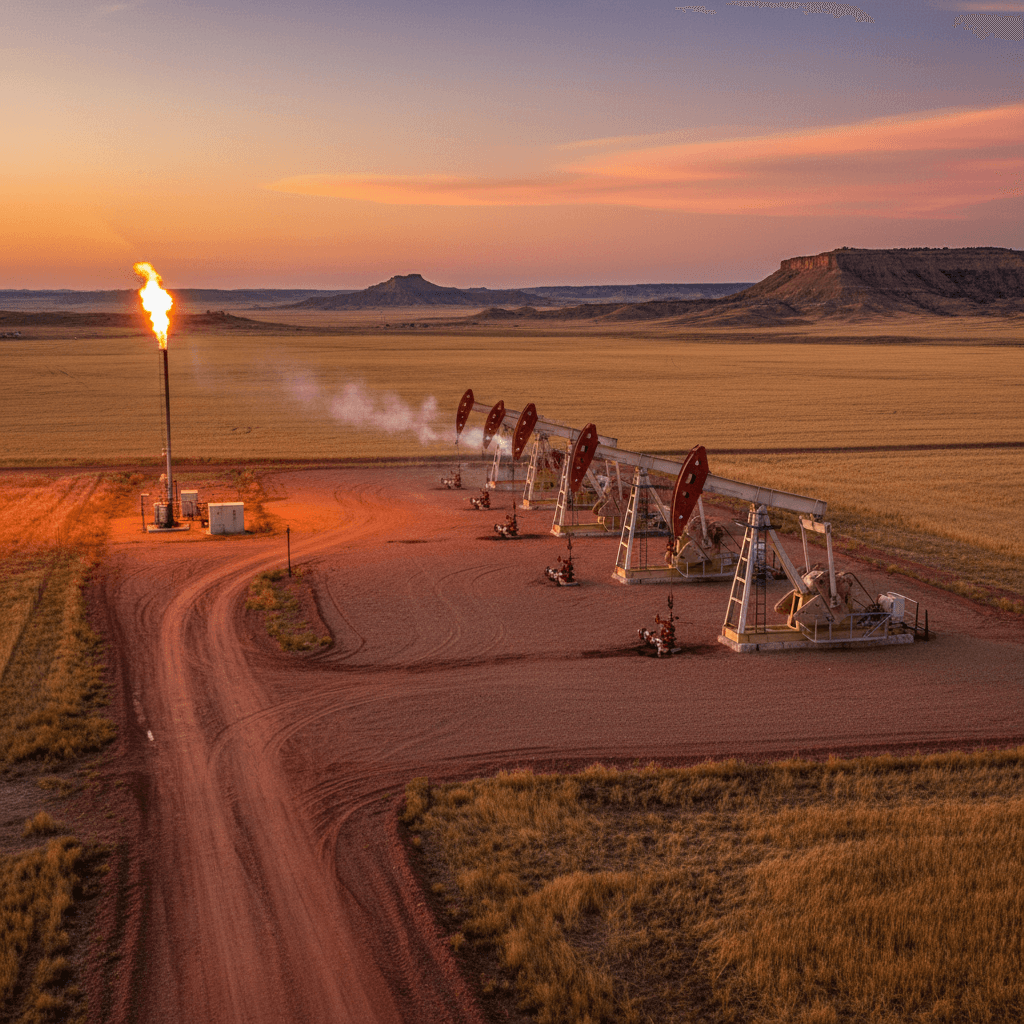
North Dakota's active drilling rig count held firm at 27 on Thursday, June 18, 2026, a key indicator that operators are maintaining a baseline level of activity in the Bakken formation despite a recent dip in oil prices. The state's rig count, a closely watched leading indicator for future production, has shown relative stability in recent months.
The current price environment presents a mixed picture. West Texas Intermediate crude was trading at $74.57, down $1.44 on the day, while the global Brent benchmark stood at $78.49. More critically for Bakken producers, the local Bakken crude differential—the discount at which Bakken barrels trade compared to WTI—was reported at -$3.42. This means the effective wellhead price for many operators is approximately $71.15.
Historically, the number of active drilling rigs in a region is a strong predictor of production trends 4-6 months later. A stable or rising rig count typically signals that operators are confident enough in the price outlook to continue drilling new wells, which eventually translates into sustained or growing output. Conversely, a sharp drop in rigs foreshadows a production decline. The current count of 27 rigs suggests that, barring a significant price collapse, North Dakota's oil production is likely to remain near current levels through the end of the year.
The steady rig count, however, exists alongside pricing pressures. The day's decline in benchmark prices and the persistent Bakken discount may test operator economics, particularly for less efficient or higher-cost drillers. While a $74 WTI price supports ongoing operations for many, further erosion could threaten the capital discipline that has characterized the post-2020 shale era and potentially lead to a reduction in activity.
For royalty owners and service companies in the Williston Basin, the data points to a period of cautious stability. Production volumes are not poised for a sharp uptick, but the maintained drilling pace should prevent a near-term steep decline. The outlook for the second half of 2026 will largely depend on whether crude prices can find a floor and if the Bakken differential narrows, improving netbacks for producers.
Source
Bakken Wire Live Data as of Thursday, June 18, 2026