Bakken Rig Count Holds at 28 Amid Stronger Oil Prices
Sustained high crude prices could support production levels, but North Dakota's rig count remains near historic lows.
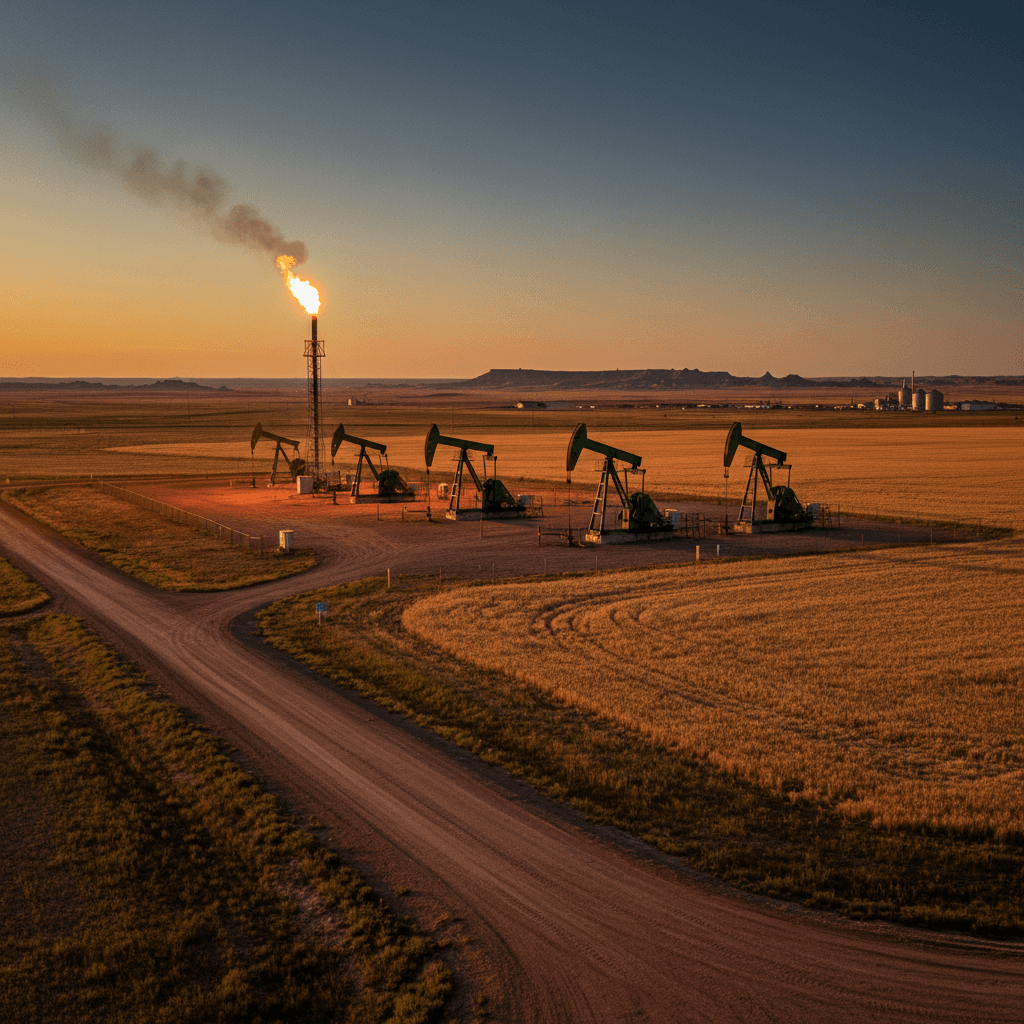
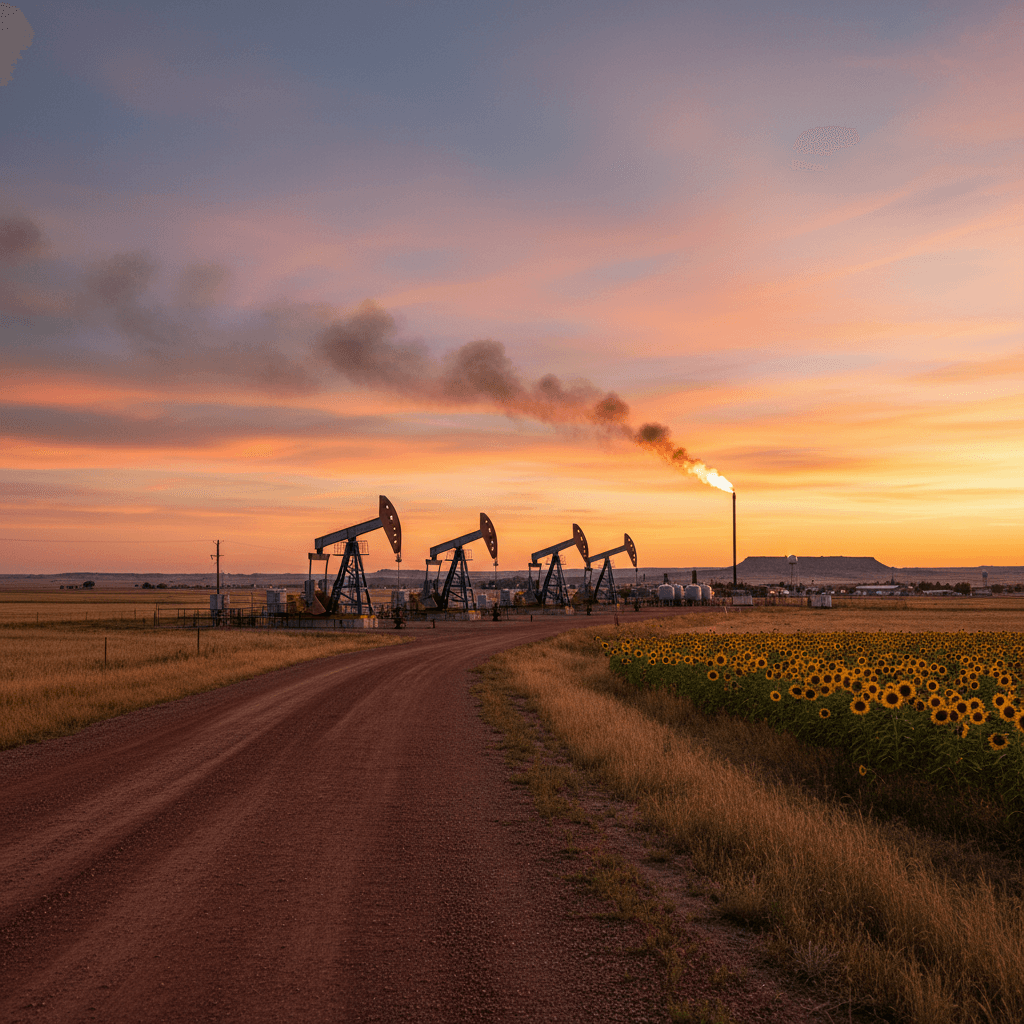
North Dakota's active drilling rig count remained at 28 for the week, a level that continues to reflect a cautious operational environment for Bakken shale producers despite a recent uptick in oil prices. According to Bakken Wire live data, the state's rig activity is holding steady at a fraction of the peak levels seen in the previous decade.
The price environment for Bakken crude has strengthened, with West Texas Intermediate (WTI) trading at $91.24 per barrel on Monday, June 8, 2026, a gain of $0.70. The global benchmark Brent crude rose to $94.22. The Bakken crude differential, the discount at which the local crude trades compared to WTI, was reported at -$3.42 per barrel. Natural gas prices were $3.14 per MMBtu.
Historically, the rig count is a leading indicator for future oil production, as new wells must be drilled to offset the steep natural decline rates from existing shale wells. The current count of 28 rigs is significantly lower than the 40-50 rigs many analysts suggest are needed to maintain North Dakota's production plateau near 1.2 million barrels per day. At this level of activity, the focus for operators remains on completing drilled but uncompleted wells (DUCs) and maximizing efficiency from existing rigs, rather than aggressively expanding drilling programs.
The sustained higher price environment, with WTI above $90, provides a favorable backdrop for operator cash flow and could incentivize a gradual increase in activity if prices hold. However, the rig count's persistence at low levels suggests capital discipline remains a priority for publicly traded producers, with shareholder returns often taking precedence over volume growth.
For royalty owners and service companies in the Williston Basin, the steady rig count implies a stable, if muted, level of near-term activity. Production levels are likely to see modest fluctuations but are not poised for a significant surge without a material and sustained increase in the drilling fleet. The outlook for North Dakota production in the coming months will depend heavily on whether the current price strength translates into increased capital allocation for new Bakken wells.
Source
Bakken Wire Live Data as of Monday, June 8, 2026.