Bakken Rig Count Holds at 29 as Oil Prices Retreat
North Dakota's drilling activity remains stable despite a dip in crude benchmarks, with production outlook tied to sustained price levels.
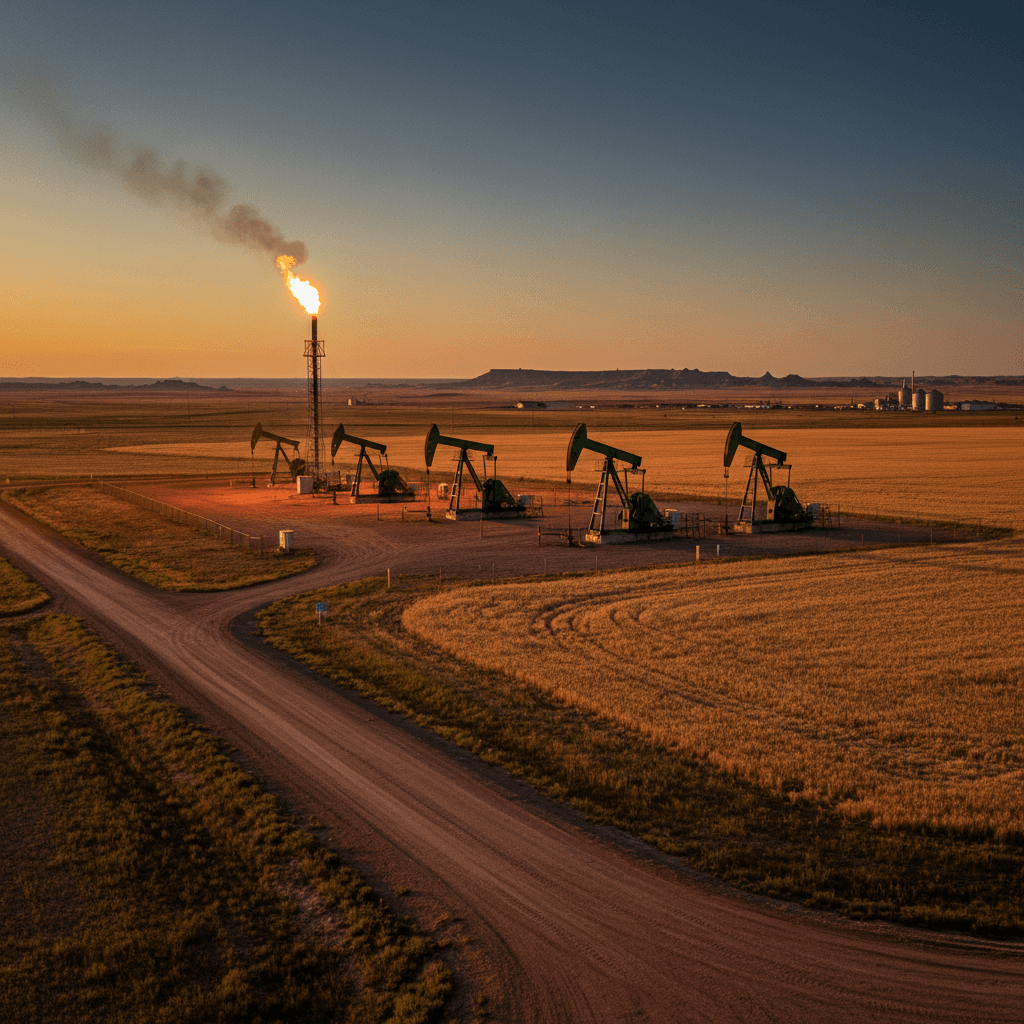
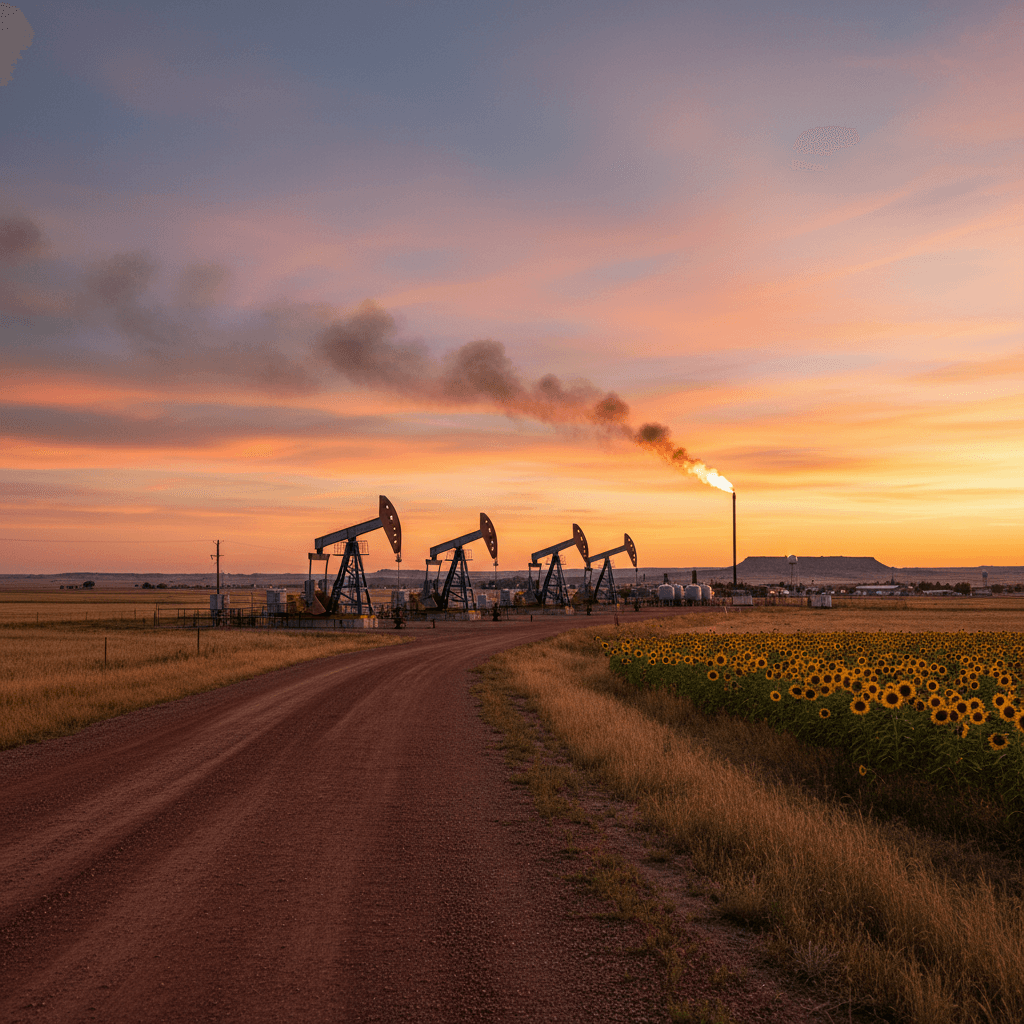
North Dakota's active drilling rig count held steady at 29 this week, a key indicator of stable but restrained operator activity in the Bakken formation. The count comes as crude oil prices saw a modest pullback, with WTI trading at $76.65 per barrel and Brent at $81.78, according to live Bakken Wire data.
The current rig level suggests producers are maintaining a disciplined capital approach. Historically, the rig count is a leading indicator for future oil production, with a typical six-month lag between drilling activity and sustained output. The current count of 29 rigs is significantly below the boom-era highs but represents a plateau that has supported the state's production at roughly 1.2 million barrels per day in recent months.
The price environment remains a primary driver for any potential activity shifts. West Texas Intermediate (WTI) crude fell 64 cents to $76.65 in the latest session, while the global Brent benchmark dropped to $81.78. The Bakken crude differential—the discount at which local crude trades versus WTI—was recorded at -$3.42 per barrel. This narrower differential improves netbacks for Bakken producers compared to wider gaps seen historically.
Natural gas prices, another revenue stream for operators, were listed at $2.64 per MMBtu. Sustained oil prices above $75 per barrel are generally considered supportive for Bakken drilling economics, allowing operators to generate free cash flow while funding limited growth projects.
The steady rig count implies that major Bakken operators are likely executing on planned drilling programs without significant acceleration. In the near term, production levels are expected to remain relatively flat, absent a material change in the commodity price outlook or a sharp increase in drilling activity. The focus for many public companies continues to be on shareholder returns and capital discipline rather than aggressive volume growth.
For royalty owners and service companies, the current data points to a period of stability. The outlook for North Dakota's oil production hinges on whether current price levels hold. A sustained drop below key thresholds could pressure the rig count, while a significant rally could slowly incentivize more activity, though any response would be measured given industry fiscal priorities.
Source
Bakken Wire Live Data as of August 7, 2026