Bakken Rig Count Holds at 29 as Oil Prices Surge Past $95
High crude prices and narrow differentials provide favorable conditions, but sustained production growth requires more drilling activity.
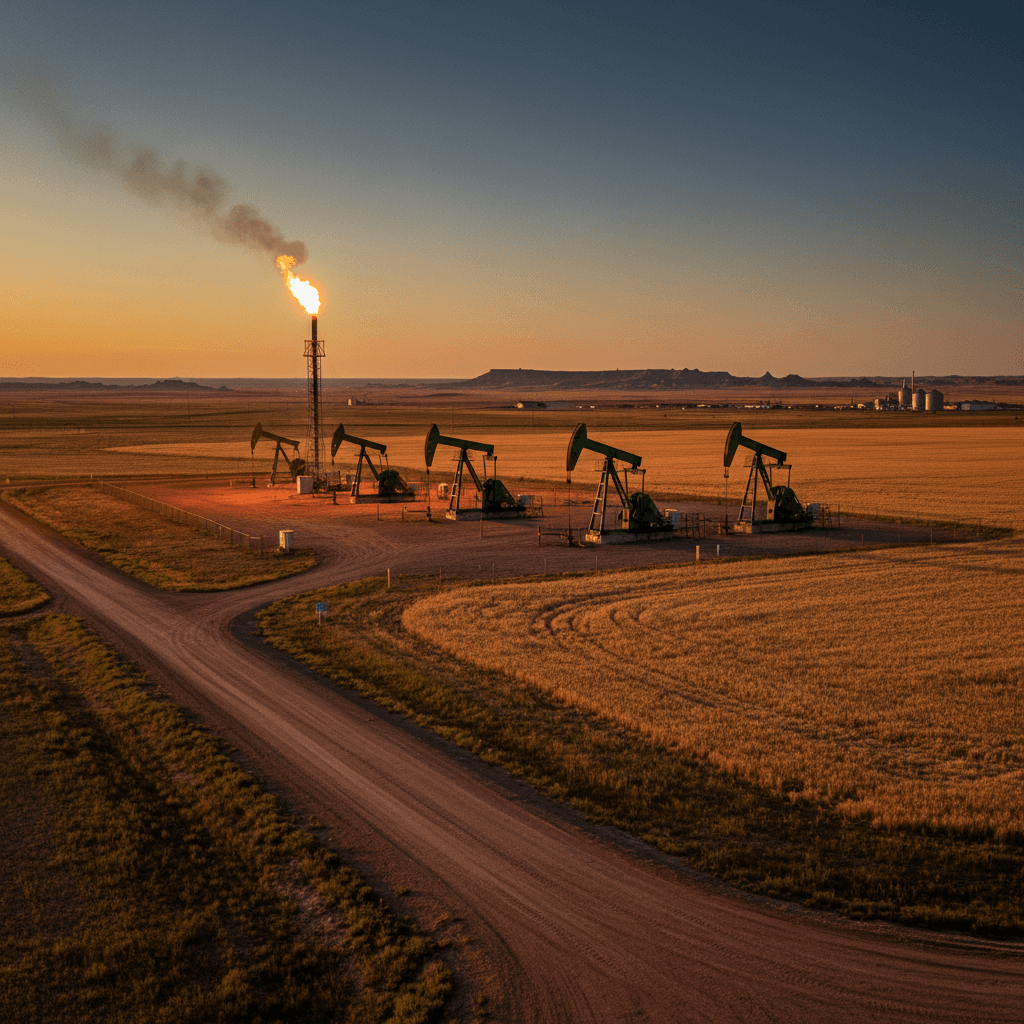
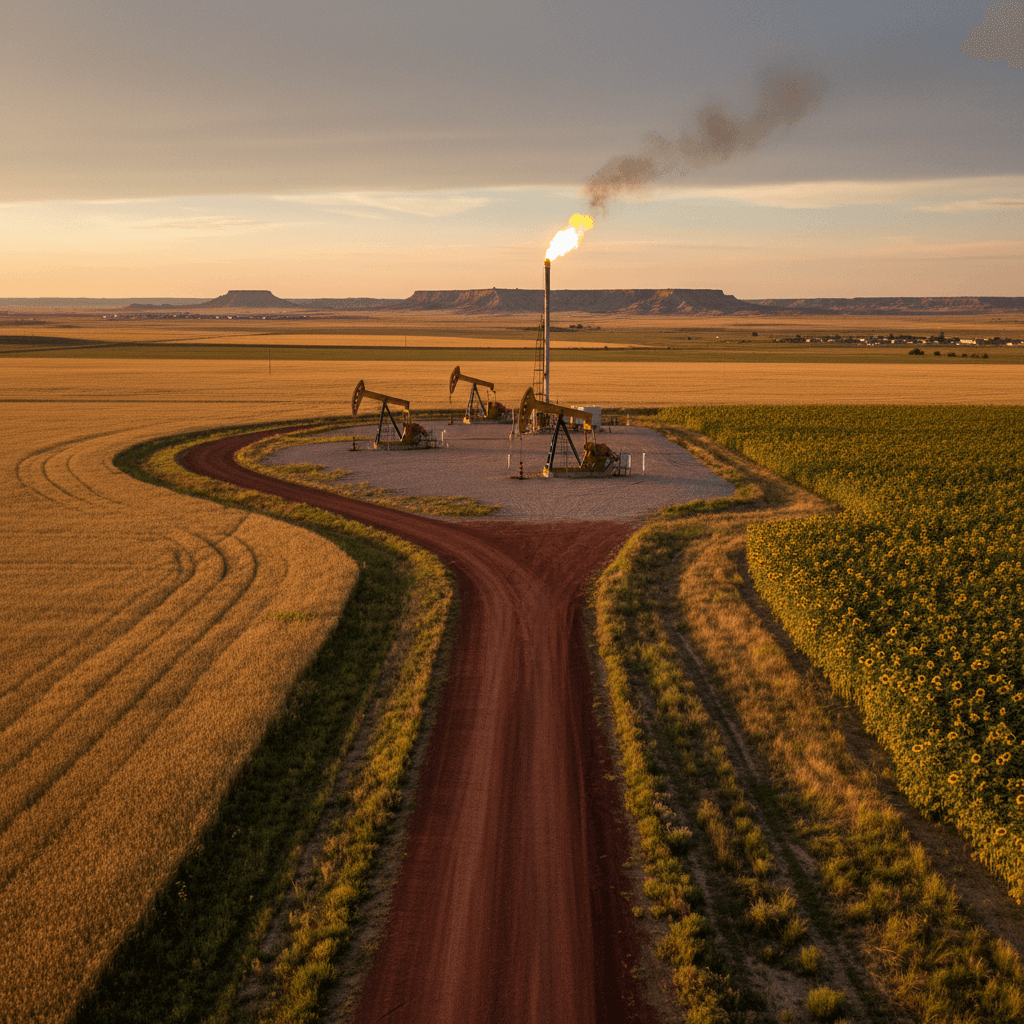
North Dakota's active rig count held steady at 29 this week as global oil prices surged, with WTI crude topping $95 per barrel, according to midday Bakken Wire data. The current drilling activity level suggests operators are maintaining a cautious approach to adding new wells despite the strong price environment.
West Texas Intermediate (WTI) crude was trading at $95.85 on Wednesday, June 3, a gain of $2.09 or 2.23%. The international benchmark Brent crude was at $97.93. The Bakken crude differential—the discount at which Bakken barrels sell compared to WTI—was narrow at -$3.42. This combination of high absolute prices and a tight differential is financially favorable for producers in the Williston Basin.
Historically, the rig count is a leading indicator of future oil production, with a lag of several months between spudding a new well and its contribution to output. A count of 29 rigs is consistent with a maintenance-level activity designed to offset natural production declines from existing wells rather than drive significant volume growth. Production in the Bakken formation has remained relatively flat over recent years, hovering around 1.2 to 1.3 million barrels per day, as operators have focused on capital discipline and efficiency gains from premium drilled locations.
The current natural gas price was $3.21 per MMBtu. While not a primary driver for the oil-weighted Bakken play, associated gas production remains an important revenue stream and operational consideration for operators.
Industry analysts typically watch for sustained high prices to trigger an increase in drilling budgets and rig deployments. The current price surge, if maintained, could incentivize some operators to gradually add rigs later in 2026 to capture the strong margins. However, continued focus on shareholder returns and supply chain constraints may temper any rapid expansion in drilling activity.
For mineral rights owners and service companies in North Dakota, the steady rig count indicates stable near-term activity. The substantial rise in oil prices, however, directly boosts royalty payments and improves cash flow for operating companies, potentially freeing up capital for future development.
Source
Bakken Wire live data as of Wednesday, June 3, -2026