Bakken Rig Count Holds at 30 as Oil Prices Retreat
North Dakota's active drilling fleet remains steady despite a midday pullback in crude prices, with analysts watching for future activity signals.
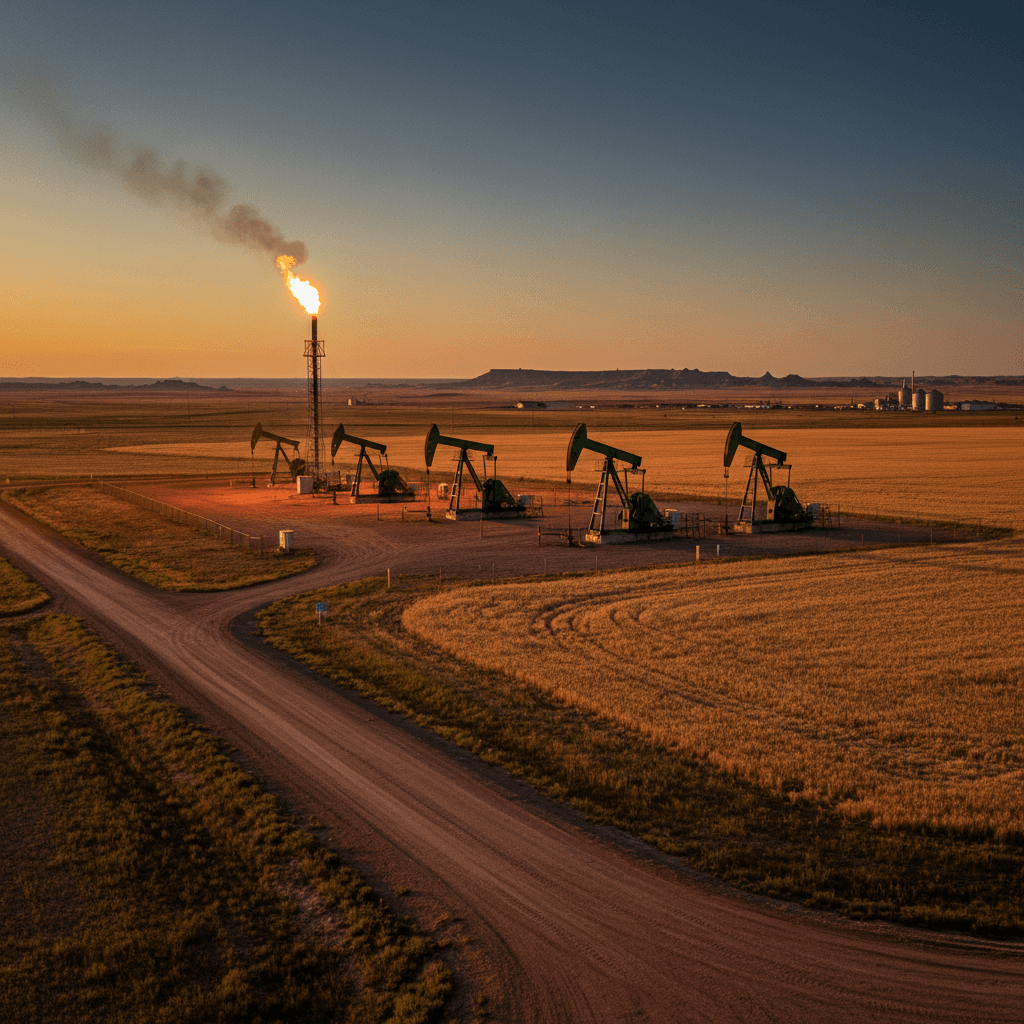
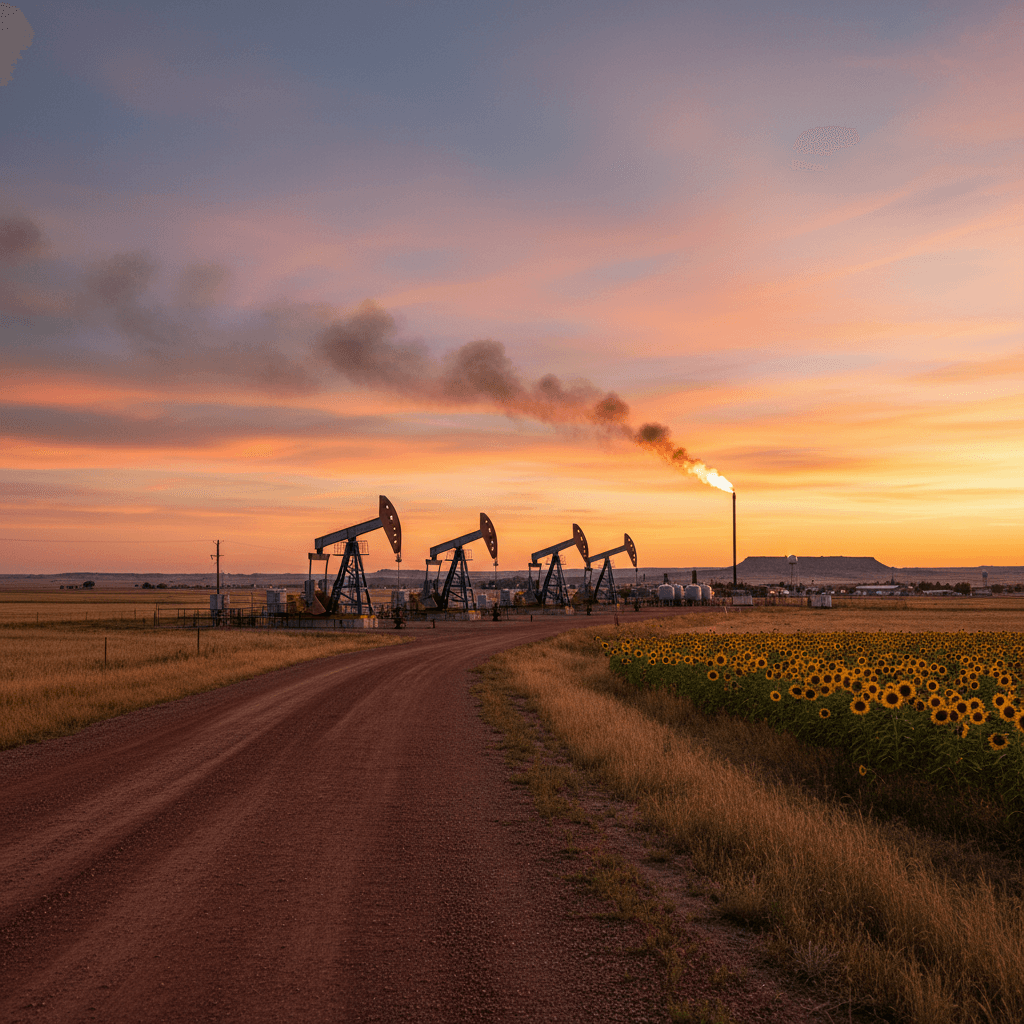
North Dakota's active drilling rig count held at 30 on Sunday, May 31, as benchmark oil prices saw a midday retreat. The stability in the rig count, a key indicator of future production, comes amid volatile trading.
West Texas Intermediate (WTI) crude was trading at $87.36 per barrel, down $1.54 or 1.73% for the day. The international benchmark Brent crude fell to $91.12, down $1.58 or 1.7%. The price for Bakken crude at the wellhead is typically discounted against WTI; the current differential is -$3.42. Natural gas was priced at $3.29 per MMBtu.
The current rig count of 30 provides a snapshot of operator commitment to new well drilling. Historically, the number of active rigs is a leading indicator for oil production, with a lag of several months between drilling activity and peak output from new wells. A steady count suggests operators are maintaining, but not aggressively expanding, their drilling programs at current price levels.
The midday price drop may pressure margins for some operators, particularly those with higher breakeven costs. However, WTI prices remaining above $87 are generally considered supportive for Bakken drilling activity. The Bakken differential, which reflects the discount for local crude due to transportation and quality factors, is a critical component of netback revenue for producers.
Analysts monitor the rig count for signs of expansion or contraction. A sustained increase would signal confidence in longer-term price stability and a desire to grow output, while a decrease could indicate capital discipline or reaction to lower prices. The current flat count suggests a cautious, wait-and-see approach among many operators.
Production trends in the Bakken formation, North Dakota's primary oil-producing region, are closely tied to this drilling activity. With 30 rigs running, the state is likely to maintain production near current levels in the coming months, barring significant changes in price or operational efficiency. The focus for many companies has shifted to maximizing output from existing wells and optimizing drilling in core acreage.
Source
Bakken Wire Live Data as of May 31, 2026