Bakken Rig Count Holds at 30 as Oil Prices Retreat from Recent Highs
North Dakota's active drilling fleet remains steady despite a weekly decline in crude benchmarks, with analysts watching for signs of production response.
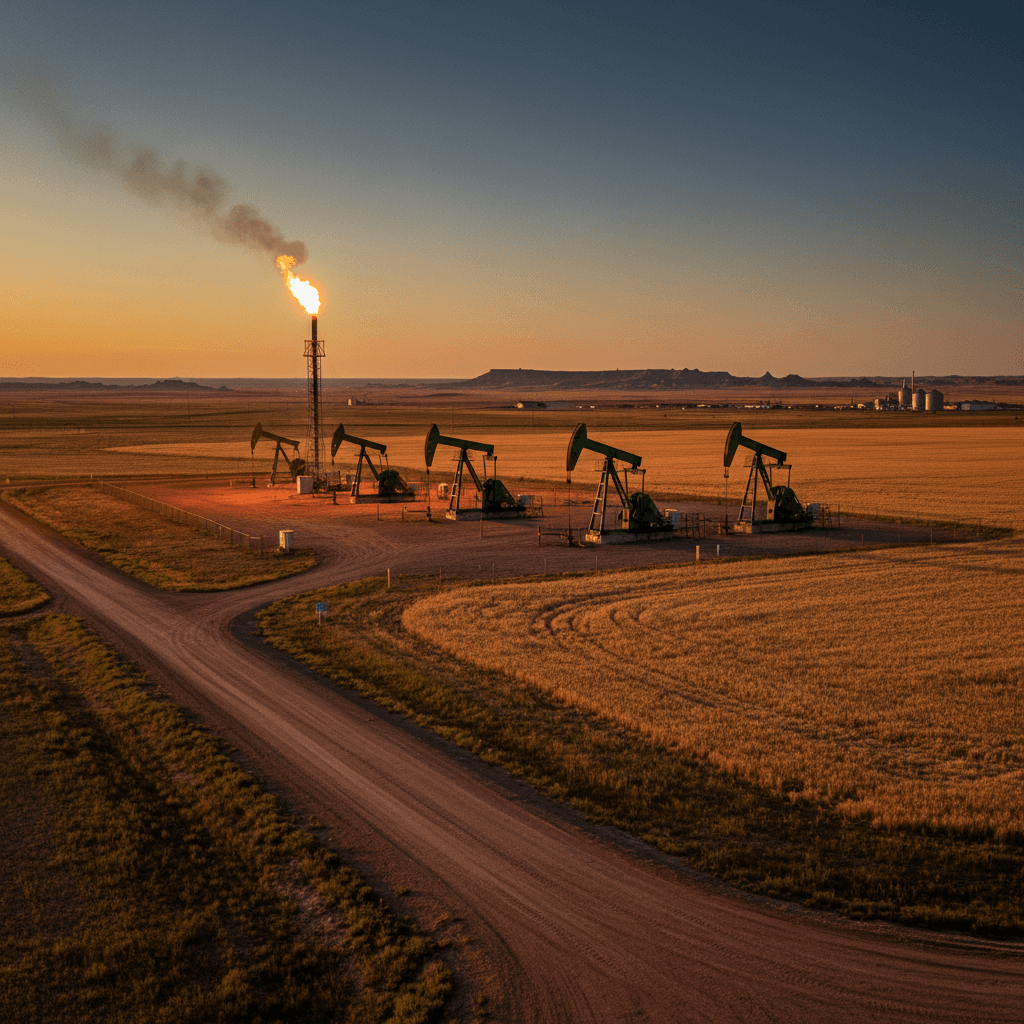
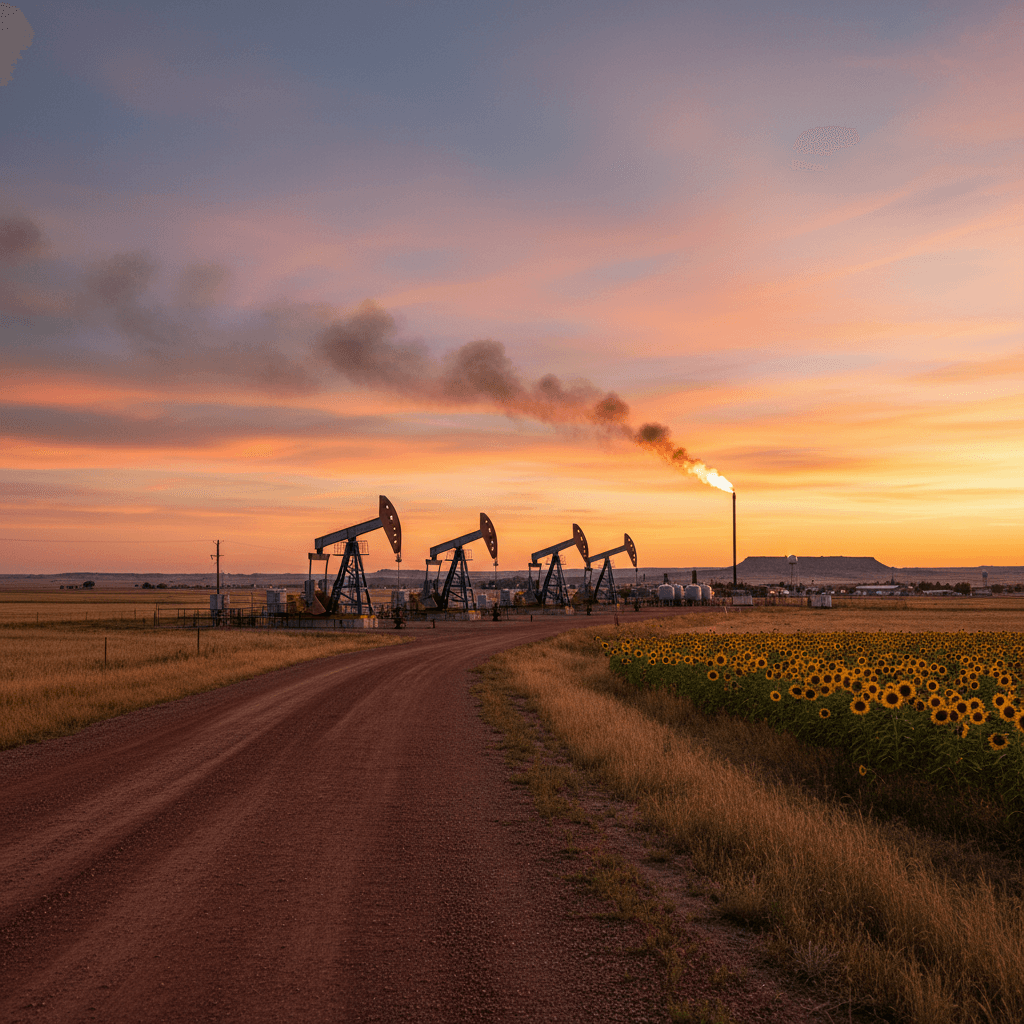
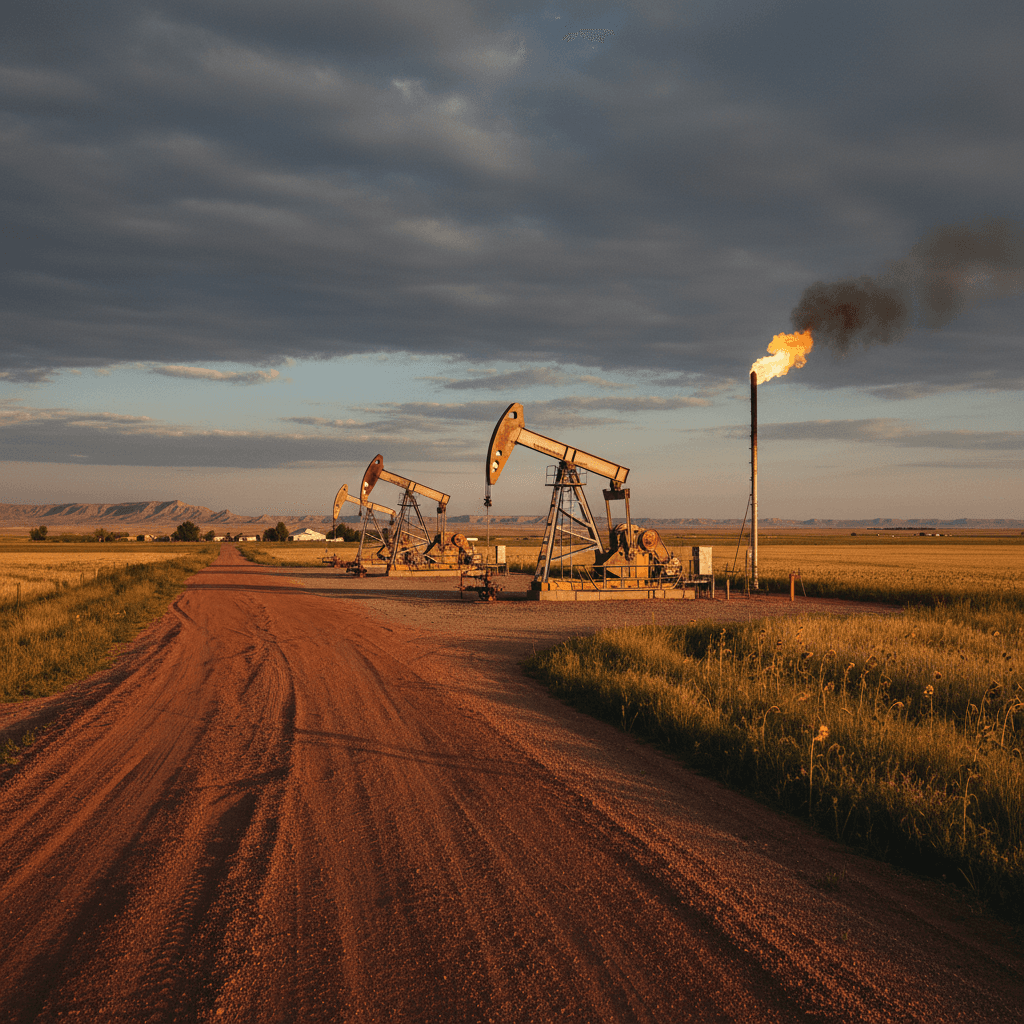
North Dakota's active oil and gas rig count held at 30 for the reporting period ending May 31, 2026, providing a stable signal for near-term drilling activity even as crude oil prices pulled back. The figure represents the core of the state's drilling fleet and is a primary indicator of future production levels in the Bakken formation.
The price environment showed notable weekly declines. West Texas Intermediate (WTI) crude settled at $87.36 per barrel, down $1.54 or 1.73%. The international Brent benchmark followed a similar trend, closing at $91.12, a drop of $1.58 or 1.7%. The Bakken crude differential, a key metric for local operator revenue, was priced at a discount of $3.42 per barrel versus WTI. Natural gas prices were recorded at $3.29 per MMBtu.
Historically, the rig count is a leading indicator for production, with a lag of several months between drilling activity and new wells contributing to overall output. A steady rig count in the low 30s suggests operators are maintaining a disciplined pace of development focused on core, high-return acreage. This level of activity is generally seen as sufficient to hold production relatively flat in the short term, barring significant changes in well productivity or completion practices.
The recent dip in oil prices, if sustained, could test operator budgets and drilling plans. However, with WTI remaining above $85, the price environment continues to support economic drilling in the Bakken's most productive areas. The current Bakken differential of -$3.42 is within a typical range, indicating stable transportation and market access for North Dakota crude.
For Bakken operators and royalty owners, the current data suggests a period of consolidation. The rig count reflects a strategic focus on capital discipline and free cash flow generation rather than aggressive volume growth. Production outlooks will depend on whether the current price level motivates companies to hold or slightly adjust their 2026 activity plans. Any sustained move in prices significantly above or below current levels would be the most likely catalyst for a change in the rig count trajectory.
Market observers will monitor upcoming state production data from the North Dakota Department of Mineral Resources to gauge how output is responding to the drilling activity seen over the past quarter. The stability of the rig count at 30, amidst fluctuating prices, underscores the modern shale industry's emphasis on returns over pure growth.
Source
Bakken Wire Live Data as of May 31, 2026