Bakken Rig Count Holds at 30 as Oil Prices Surge
Strong crude price gains may not immediately reverse North Dakota's long-term production trend of slow decline, analysts suggest.
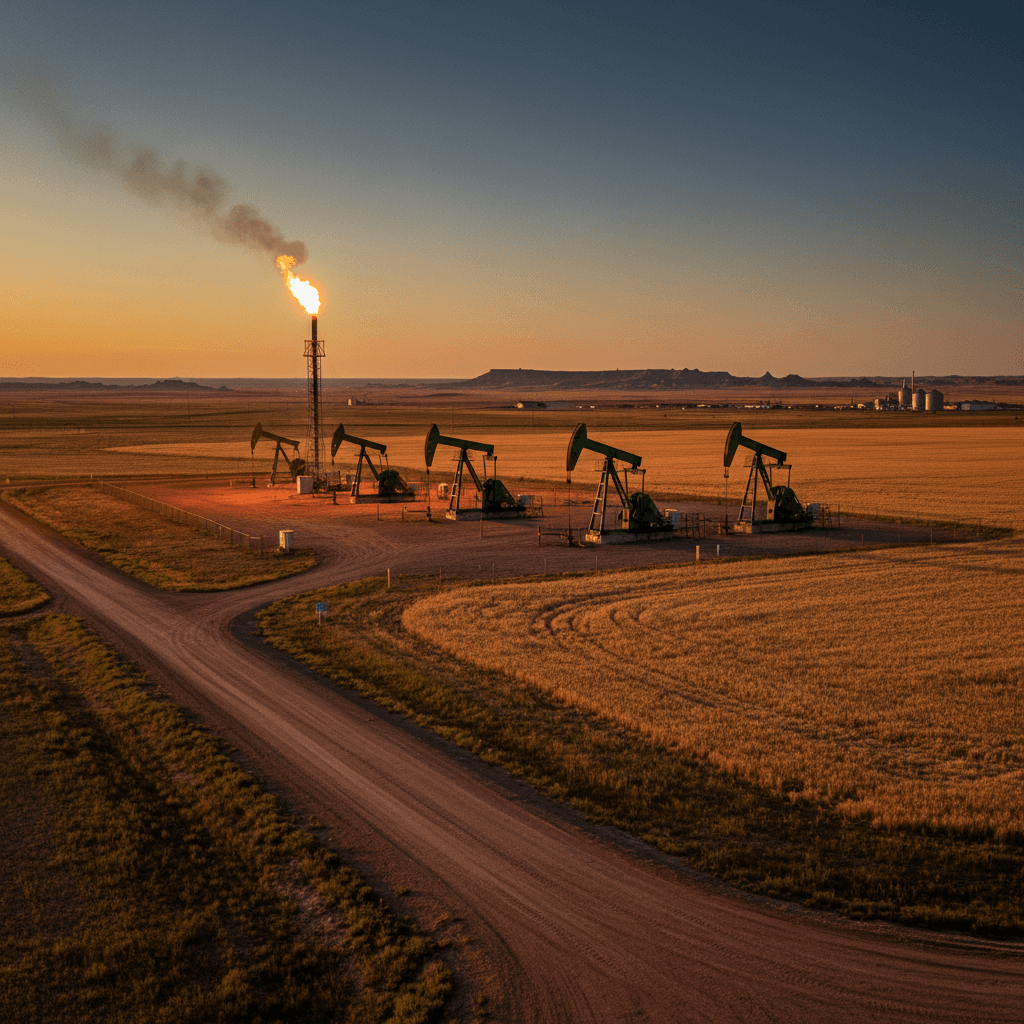
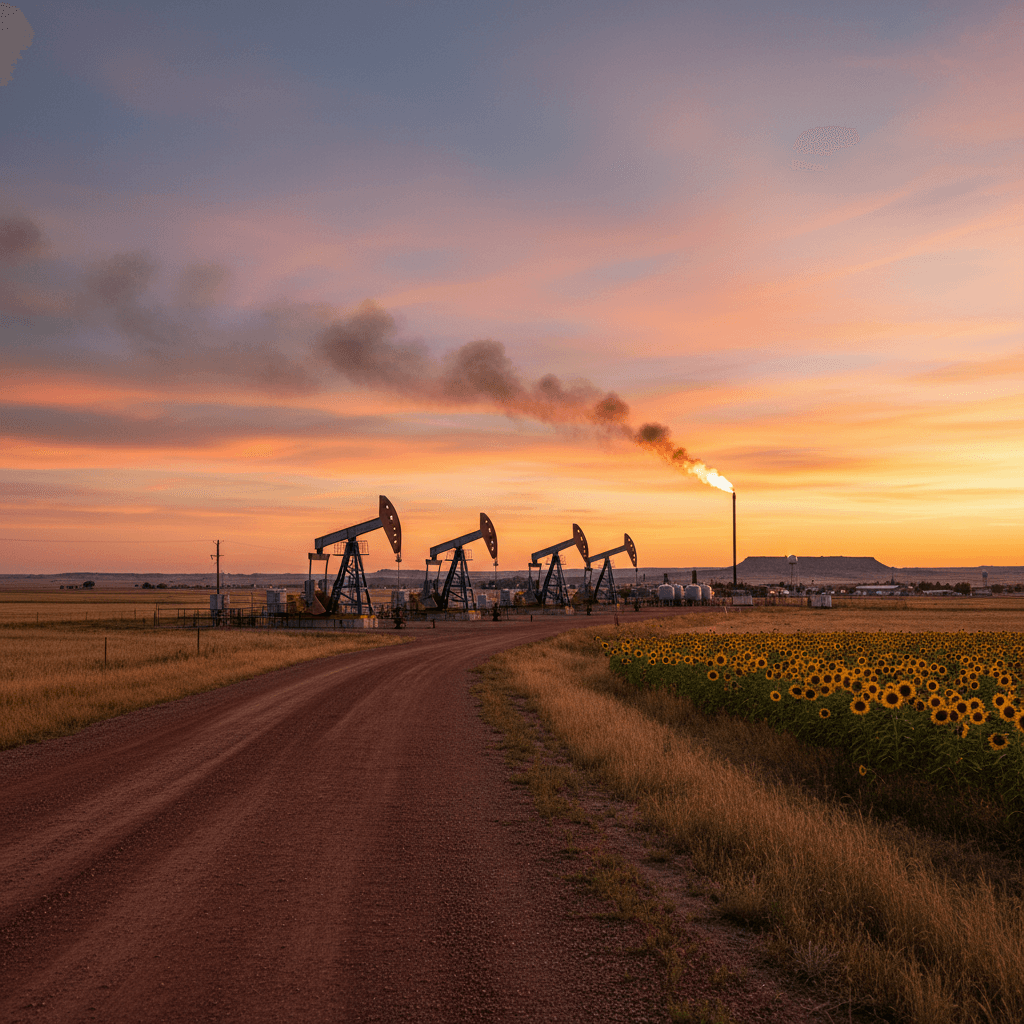
North Dakota's active drilling rig count held steady at 30 on Thursday as global oil prices posted significant gains, according to live Bakken Wire data. West Texas Intermediate (WTI) crude surged $2.53 to settle at $77.75 per barrel, a 3.36% increase, while the international Brent benchmark rose $3.05 to $82.50.
The current rig count of 30 represents the core level of drilling activity sustaining the state's oil output. The Bakken price differential—the discount at which Bakken crude trades against WTI—was recorded at -$3.42. Natural gas prices were reported at $2.65 per million British thermal units (MMBtu).
Historically, the number of active drilling rigs is a leading indicator for future oil production, with a typical lag of several months between new well spuds and first oil. The current count of 30 rigs is substantially lower than the peak levels seen in the early 2010s Bakken boom, which regularly exceeded 200 rigs and drove production to record highs above 1.5 million barrels per day.
The sustained lower rig count over recent years has correlated with a gradual decline in North Dakota's overall oil production from those peak levels. Operators have focused on drilling the highest-quality remaining acreage and maximizing efficiency from each well, but the state's output has remained on a slow, long-term downward trajectory without a significant and sustained increase in drilling activity.
Thursday's sharp rally in oil prices, if sustained, could improve economics for Bakken operators and potentially support future rig additions. However, a single day's price movement is unlikely to trigger an immediate shift in drilling budgets, which are typically set on a quarterly or annual basis. Companies also face ongoing capital discipline pressures from investors and higher costs for services and equipment.
For near-term production, the output for the next several months is largely already locked in by wells that have been drilled and are awaiting completion, or are currently producing. Therefore, the production outlook for the remainder of 2026 is more directly tied to the rig count and completion activity of the past six months than to today's price jump.
The fundamental dynamic for the Bakken formation remains one of high productivity per well but a declining base of legacy production, requiring continuous new drilling just to maintain output. The current rig level suggests the state will continue to manage a gradual production decline barring a material change in operator activity.
Source
Bakken Wire Live Data as of Thursday, August 6, (WTI, Brent, Natural Gas, Bakken Differential, Active Rigs)