Bakken Rig Count Holds at 31 Amid Steady Multi-Week Rise
The North Dakota rig count remains unchanged day-over-day but shows a solid upward trend from levels seen earlier this summer.
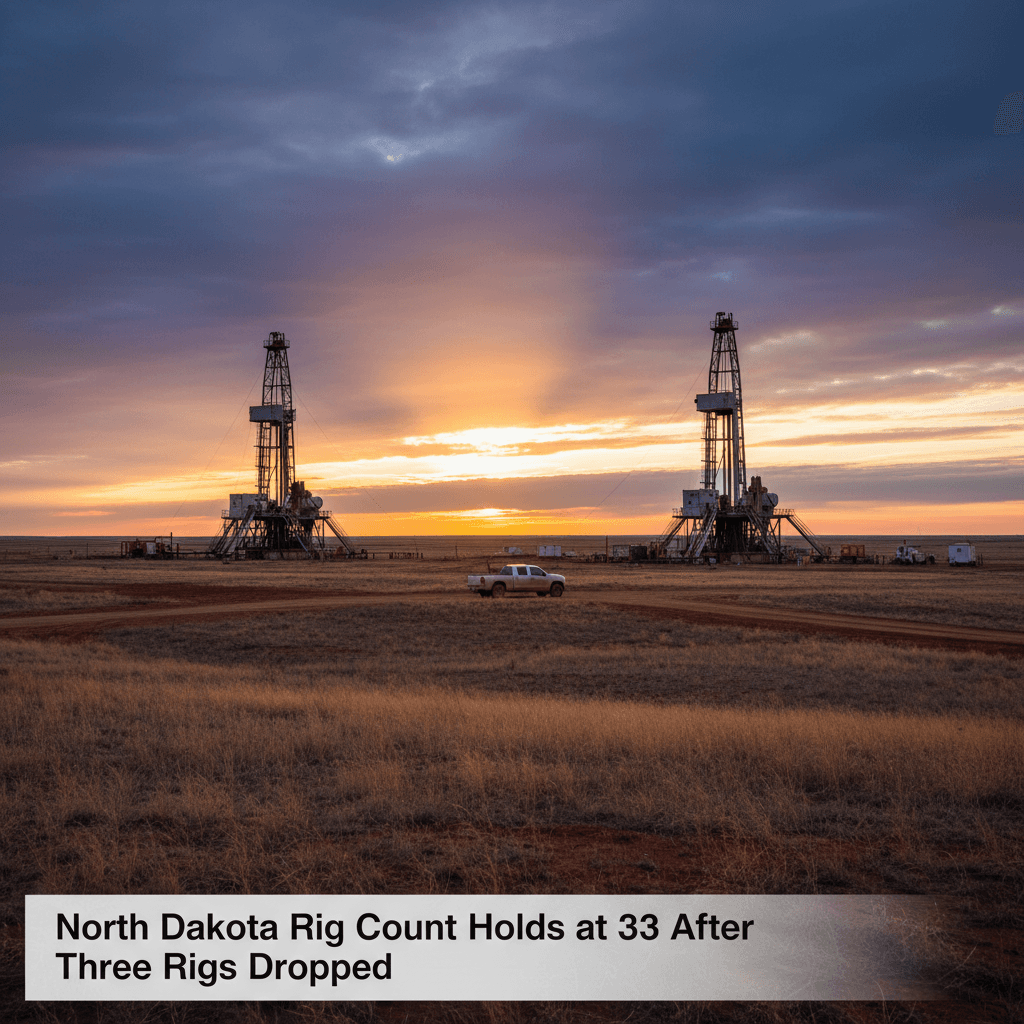
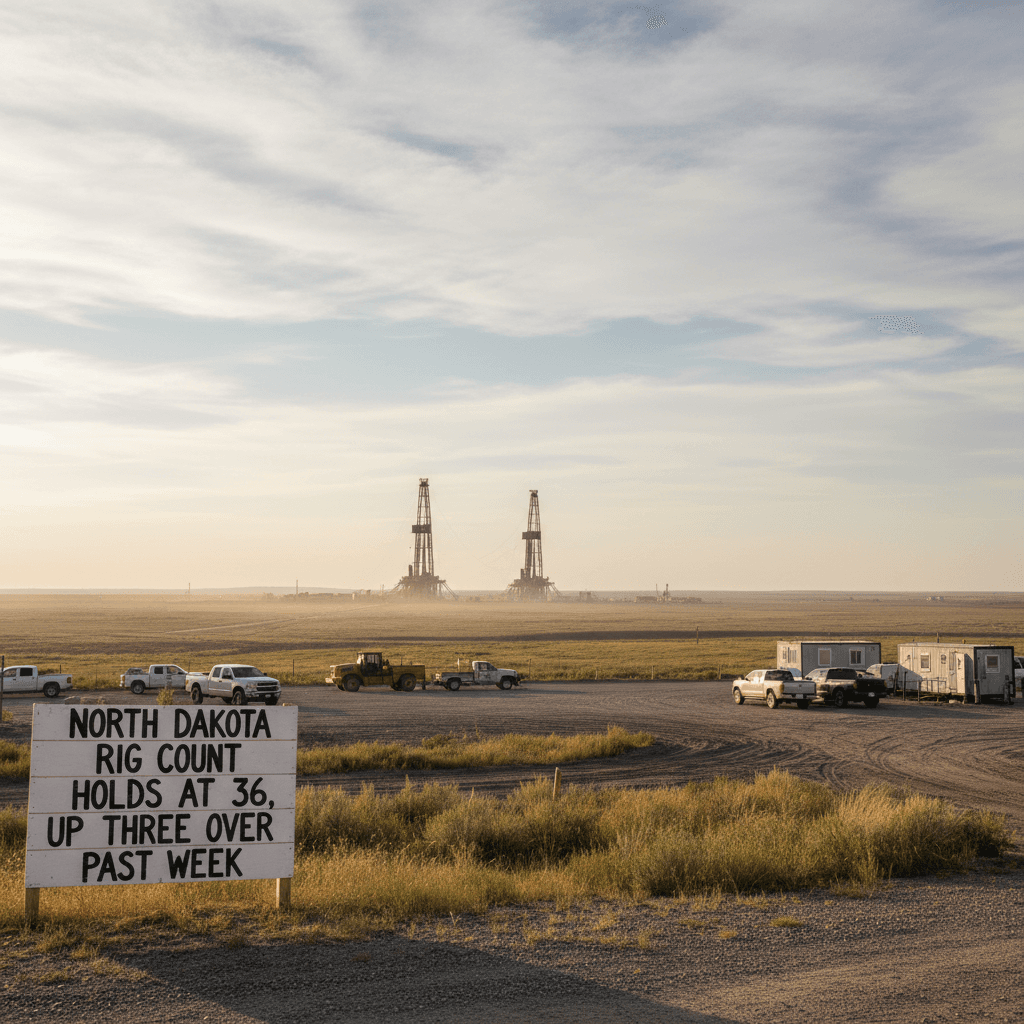
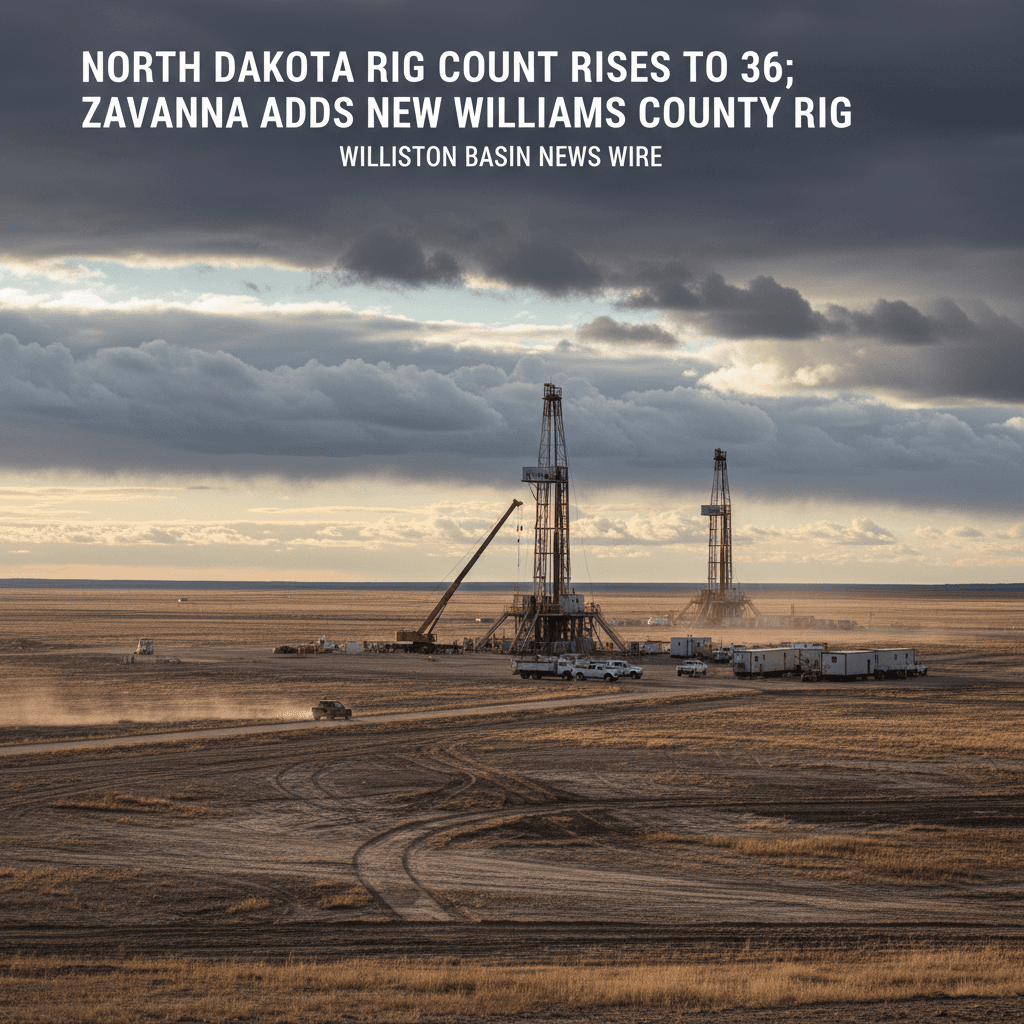
The number of active drilling rigs in North Dakota's Bakken formation held steady at 31 on Friday, August 14, 2026, according to live rig data from Bakken Wire. There were no new rigs added, none released, and no rigs moved location since the previous day's report.
This stability follows a period of consistent growth. The current rig count is up by three from the 28 rigs reported one week ago, on August 7, 2026. The increase is more pronounced over the past month, representing a gain of five rigs since mid-July, when 26 rigs were active.
The sustained higher count signals ongoing capital discipline but continued development activity by Bakken operators. Rig levels are a leading indicator of future oil production, and a count in the low 30s suggests operators are maintaining a measured pace of drilling to hold production flat or achieve modest growth, depending on well productivity and commodity prices.
While the daily figure showed no movement, the week-over-week and month-over-week gains highlight a firming trend. The increase from 26 to 31 rigs over the past four weeks represents one of the more sustained climbs in activity this year, reflecting operator responses to market conditions and the ongoing development of core acreage.
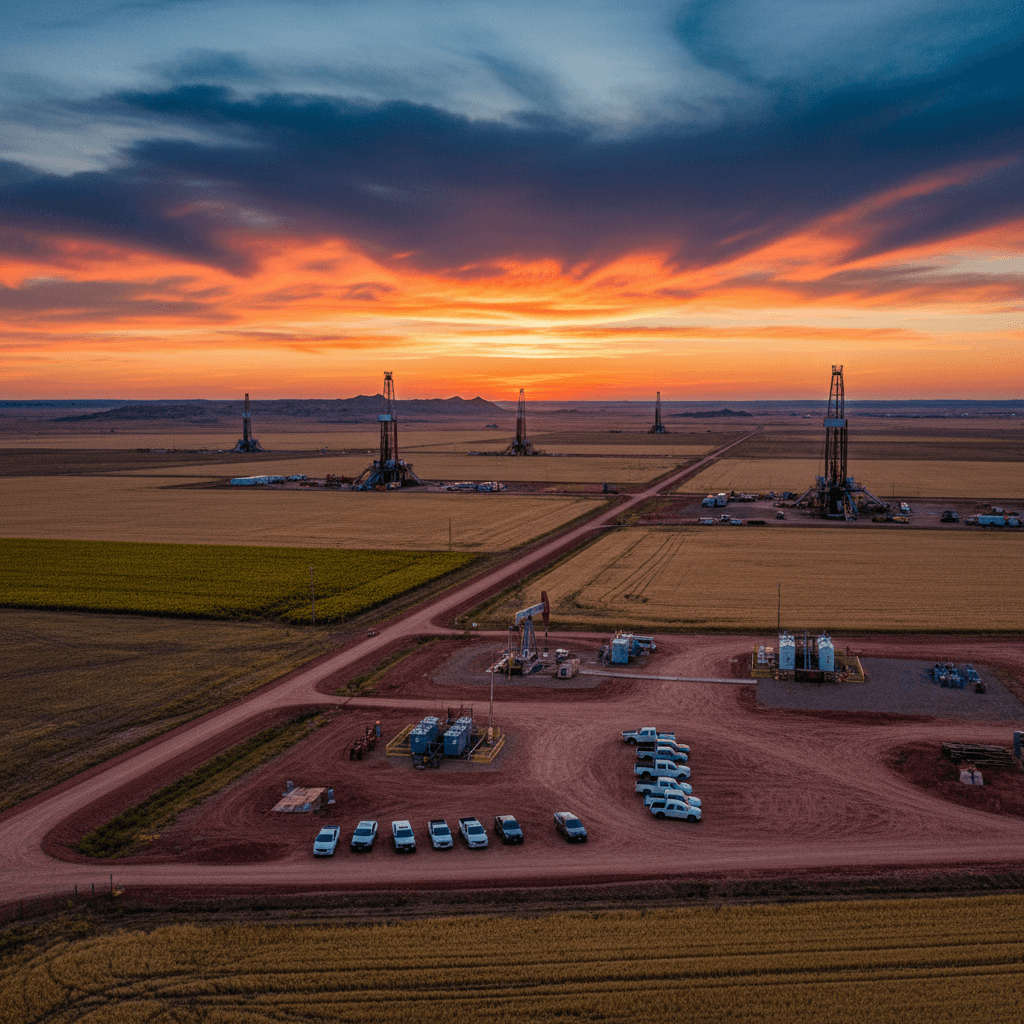
The Bakken formation remains North Dakota's primary oil-producing region, and rig activity is closely watched by service companies, royalty owners, and state economists. The current level, while significantly below the boom-era highs, is consistent with the industry's focus on generating free cash flow and returning capital to shareholders while efficiently developing top-tier inventory.
Analysts often view the Bakken rig count as a barometer for operator sentiment in the Williston Basin. The recent upward trend, albeit modest, suggests a stable operating environment. Further increases would depend on sustained favorable oil prices, efficient operations, and individual company drilling budgets.
For now, the data indicates a period of consolidation at a higher activity plateau compared to earlier this summer. The focus for the remainder of the third quarter will be on whether this level holds or if operators adjust their pace in response to any shifts in the macroeconomic landscape.
Source
Bakken Wire Live Rig Data, Historical Context Data