Bakken Rig Count Holds at 31, Down 3 from August
Hunt Oil removes a rig in Burke County as the basin's drilling activity continues a gradual, months-long decline.
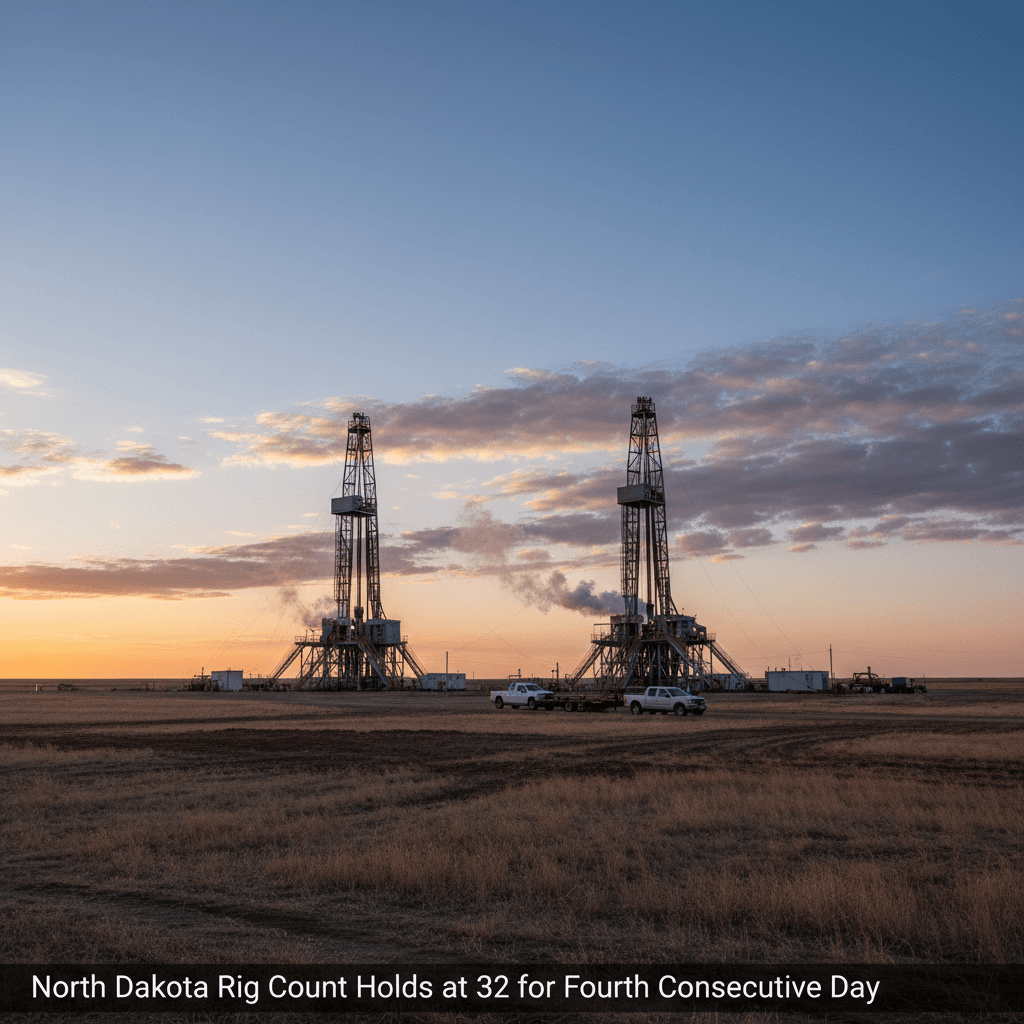
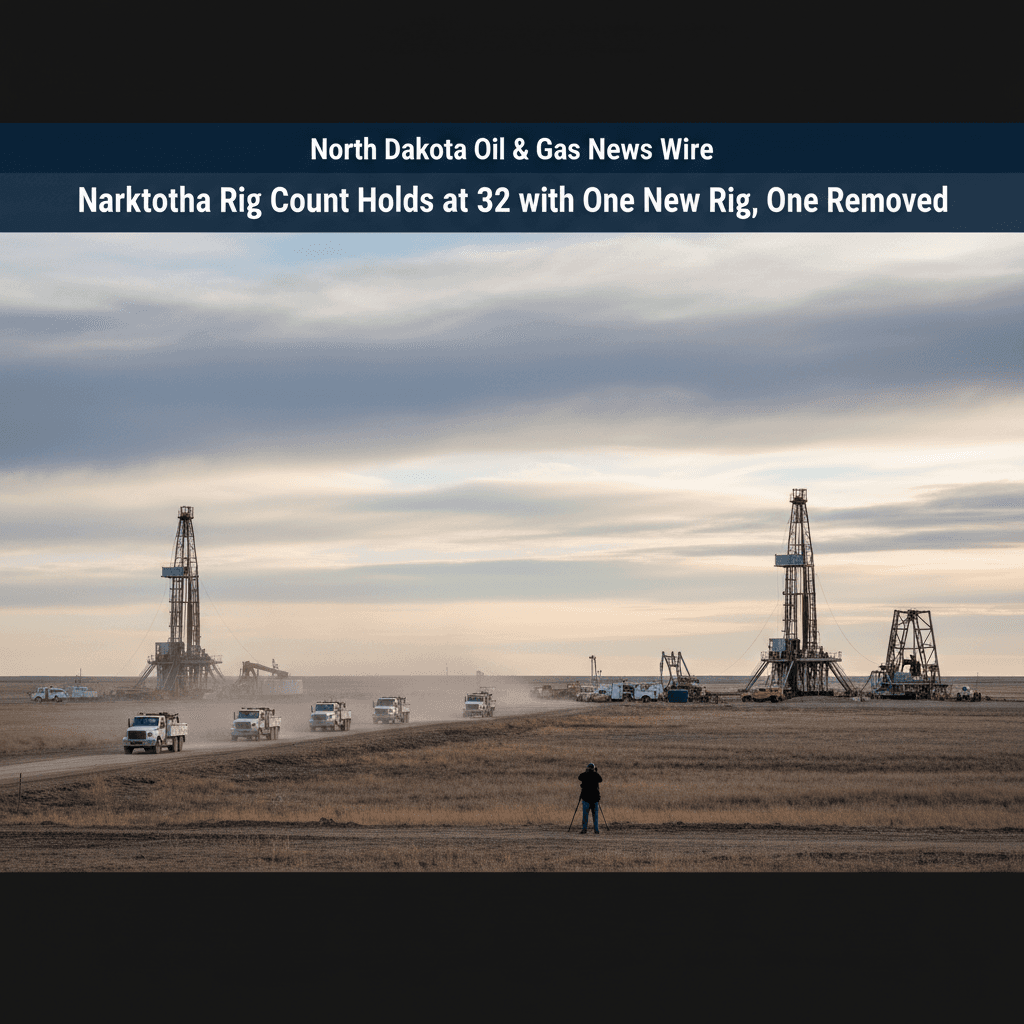
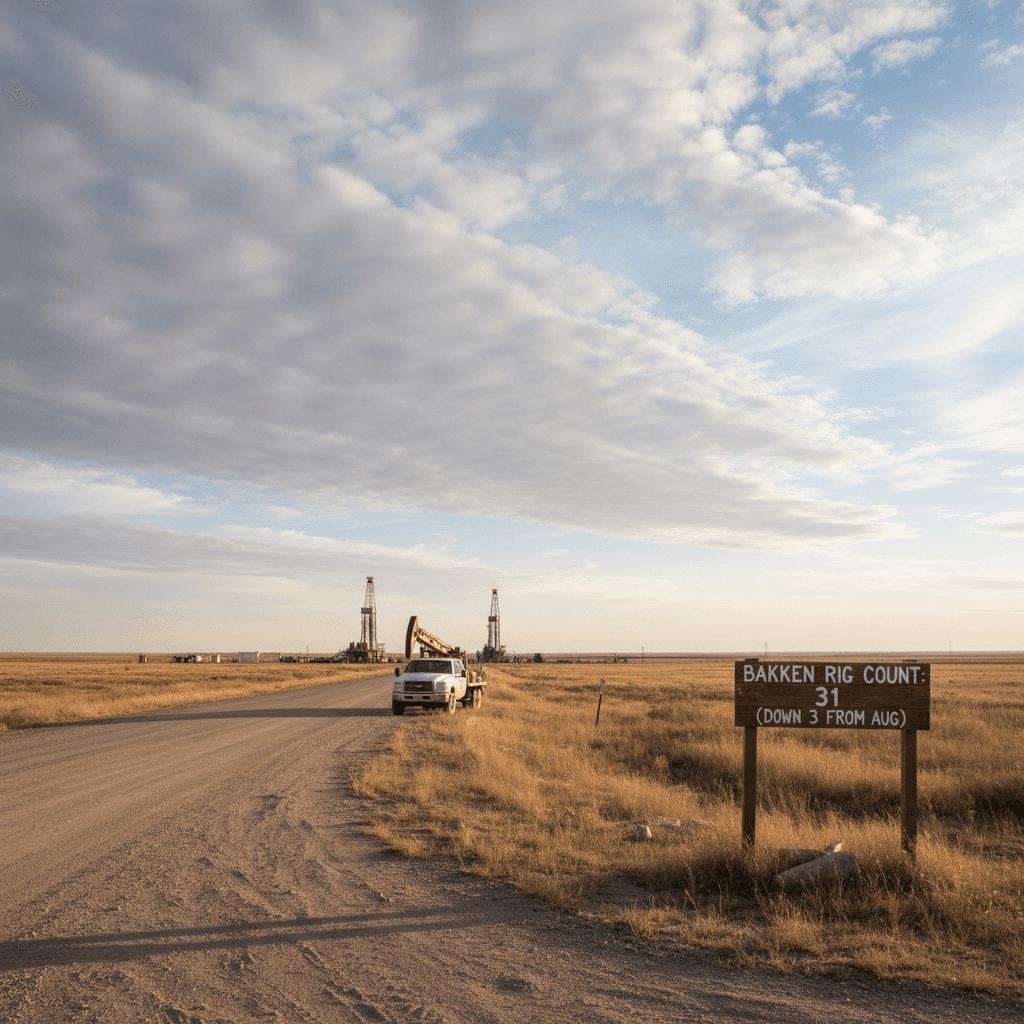
The number of active drilling rigs in North Dakota's Bakken formation held steady at 31 on Wednesday, according to live rig data from Bakken Wire. The count was unchanged from the previous day, though one rig was taken out of service.
Hunt Oil Company removed the T&S Drilling 1 rig from its location in Burke County (160-90-31). There were no new rigs added or rigs that moved locations on Wednesday.
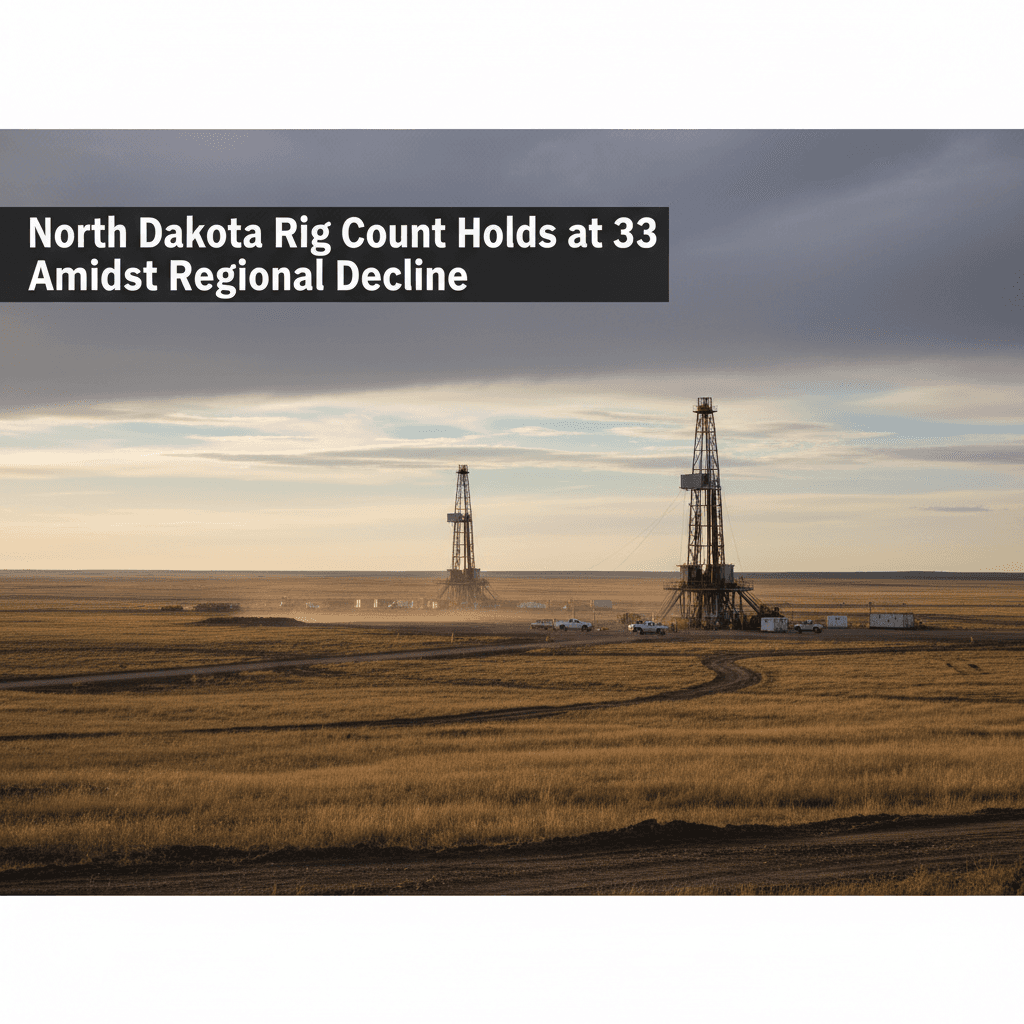
The current activity level represents a continued slow retreat from higher counts earlier in the summer. The rig count is down by two from one week ago, when 33 rigs were active on September 16. Compared to one month ago on August 24, when 34 rigs were working, the fleet has contracted by three rigs.
A rig count in the low 30s reflects a period of disciplined capital spending by operators in the Williston Basin. While oil prices remain a primary driver, companies are focusing capital on their most productive core acreage and prioritizing shareholder returns over aggressive growth. The current activity level is sufficient to maintain North Dakota's oil production, which has been consistently above 1.2 million barrels per day, but limits rapid output expansion.
The gradual decline in the rig count over the past month coincides with a volatile period for global crude markets and ongoing logistical challenges within the basin. Operators are continuously optimizing their drilling schedules and completion designs to maximize efficiency at current price levels.
Historical Context of Boom and Bust The current measured pace of drilling stands in stark contrast to the frenetic activity of the Bakken's initial boom period over a decade ago. That era, marked by a massive influx of people and capital, also brought significant social and criminal challenges to Western North Dakota.
According to a report from Bing News, the intense competition during the early 2010s oil boom fueled extreme violence in some cases. The source details the story of James Henrikson, a felon who arrived in North Dakota in 2011 aiming to profit from the "liquid gold" rush. Henrikson's oil transportation company, Blackstone Trucking, was at the center of a murder-for-hire plot in 2012 after an employee left for a rival firm. The article, citing the Seattle Times, states that Henrikson hired a hitman for $20,000 to kill 29-year-old Kristopher "KC" Clarke, whose body was found on the property of former Three Affiliated Tribes Chairman Tex Hall.
This historical report underscores the lawless environment that sometimes accompanied the breakneck speed of development when rig counts were several times higher than today's levels. The modern Bakken industry, operating with a smaller, more stable rig fleet, has matured alongside more established community and regulatory frameworks.
For now, operators appear settled into a steady operational tempo. The focus for the remainder of the third quarter will likely remain on executing planned drilling programs efficiently, with any significant changes to the rig count dependent on future commodity price movements and winter operating conditions.
Source
Bakken Wire live rig data, historical context data, Bing News